DEAL ANNOUNCEMENT / PRESS RELEASE
McDermott advises L-GAM backed TRISON Group on the acquisition of InfraStor
March 3, 2026
Read time: 3 min
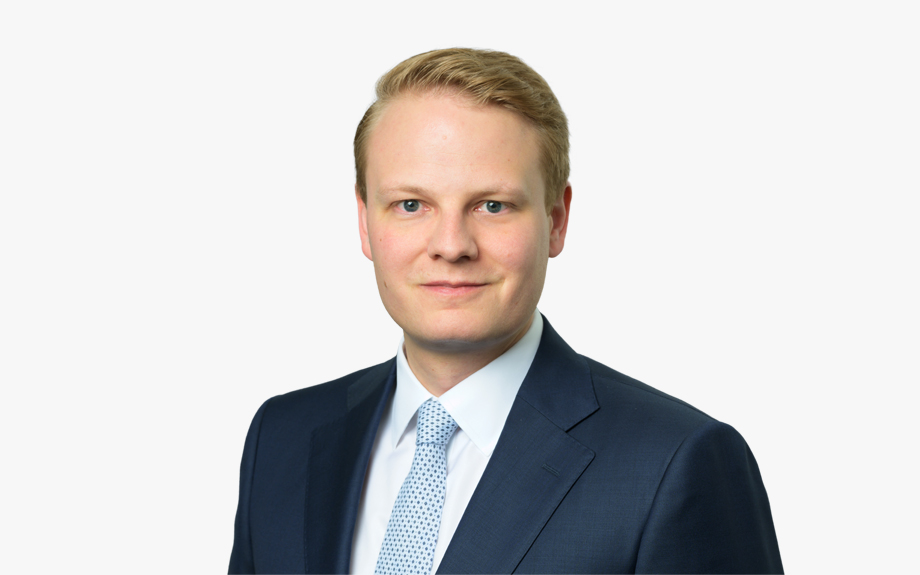
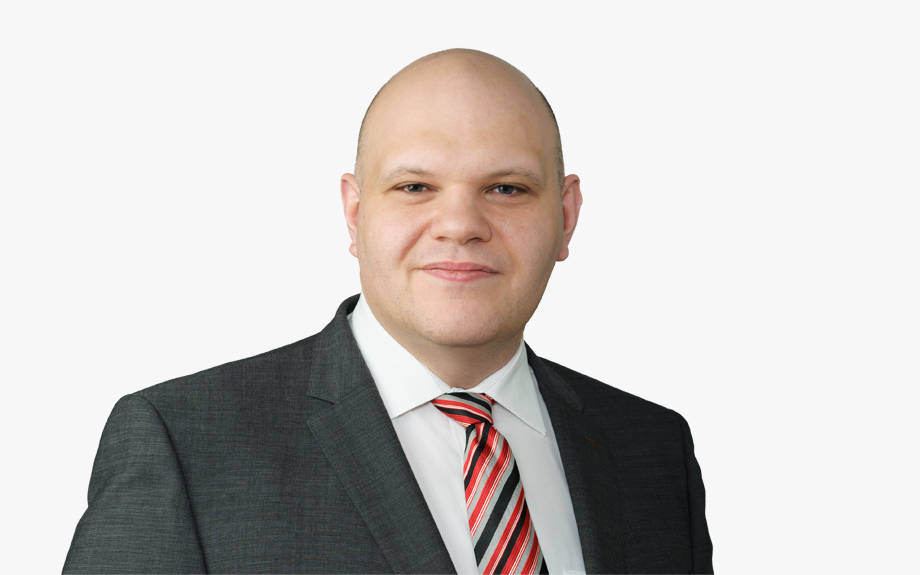
Munich, 3 March 2026 — McDermott Will & Schulte, with a team led by Holger Ebersberger and Manuel Weiß, has advised L-GAM-backed TRISON Group on the acquisition of InfraStor GmbH.
TRISON, headquartered in A Coruña, Spain, is Europe’s leading integrator of digital signage, audiovisual systems, digital content and innovative solutions, and has been part of the L-GAM portfolio since 2023.
InfraStor is a specialist in digital signage, smart building solutions, and integrated IT services based in Kleinostheim, Germany.
With this acquisition, TRISON strengthens its presence in Germany and now operates 23 offices in 15 countries.
Founded in 2013, L-GAM is an international investment company established in partnership with the Princely House of Liechtenstein and other major families
The McDermott team was led by Holger H. Ebersberger (Private Equity) and Manuel Weiß (Private Equity), and included Christian Driessen-Rolf (Employment), Florian Schiefer (Tax), Steffen Woitz (IP/IT), Claus Färber (Data Protection), Tobias Thiemann (Private Equity) and Merlyn von Hugo (Tax).
Leading organizations turn to global law firm McDermott Will & Schulte for a better way to address legal challenges, connect with those at the forefront, and drive stronger outcomes. Working across more than 20 offices globally, our 1,750+ lawyers act on data-driven insights, deep relationships, and unmatched industry experience to deliver on our commitment of Always Better.








Media Contact

Digital Health Laws and Regulations Germany 2026
ARTICLE
Digital Health Laws and Regulations Germany 2026
February 27, 2026
Read time: 2 min
The International Comparative Legal Guide – Digital Health 2026 has now been published.
In the chapter “Digital Health Laws and Regulations Germany 2026,” Jana Grieb, Steffen Woitz and Dr. Claus Färber provide a comprehensive overview of the German legal framework for digital health, covering regulatory requirements, digital health technologies, data use and sharing, intellectual property, commercial agreements, AI and machine learning, and liability.





Planning for M&A complexity after new state ‘mini-HSR’ laws
COVERAGE
Planning for M&A complexity after new state ‘mini-HSR’ laws
February 26, 2026
Read time: 2 min




Media Contact

FDI readiness is deal readiness: Why investment screening is becoming a strategic success factor for M&A and VC transactions
ARTICLE / CLIENT ALERT
FDI readiness is deal readiness: Why investment screening is becoming a strategic success factor for M&A and VC transactions
February 13, 2026
Read time: 6 min
From a regulatory-side condition to a central-deal parameter, anyone investing cross-border today negotiates not only valuation and governance but also requirements arising from investment screening.
Investment review under the German Foreign Trade and Payments Ordinance (Außenwirtschaftsverordnung, or AWV) and the German Foreign Trade and Payments Act (Außenwirtschaftsgesetz, or AWG) has developed in recent years into a structurally determinative factor in transactional practice.
The current figures published by the German Federal Ministry for Economic Affairs and Energy for 2025 demonstrate that investment screening has become a decisive deal factor, particularly in technology-driven sectors and security-relevant sectors: 339 AWV proceedings in 2025, a -30% increase in review proceedings compared to the previous year and an increase in in-depth reviews (Phase II) to 9% of all proceedings.
Technology-driven and security-relevant sectors are a particular focus of investment screening, including such as:
- Artificial intelligence (AI) and digital technologies
- IT and cybersecurity
- Defence and dual use goods
- Critical infrastructure (energy, healthcare, communications)
- High-tech and deep-tech sectors
These areas, in particular, are subject to geopolitical and security policy considerations. Technological sovereignty, security of supply, and the resilience of critical infrastructure have long since become guiding political principles. Investment screening is therefore no longer an isolated regulatory instrument, but rather part of a strategic industrial and security policy.
For investors, targets, and their advisors, this means that transactions in these sectors are subject not only to market- and competition-driven logic, but also to governmental balancing of interests.
European harmonisation: More transparency, more coordination, and more complexity
A further intensification is imminent with the planned reform of the EU Screening Regulation. While almost all Member States have introduced or intensified investment screening regimes in recent years, this will, in the future, be the case across the board, and closer cooperation among the competent national authorities is also envisaged by the European Screening Regulation (currently under revision).
For transactions involving subsidiaries or relevant business activities in multiple EU Member States, this will mean two things:
- Regulatory transparency will increase, as more harmonised minimum standards will apply.
- Coordinated reviews will become more likely, as Member States and the European Commission will be more closely involved and discuss transactions with each other.
International transactions should therefore undergo a threefold review; in parallel to potential notification requirements under merger control and obligations pursuant to the Foreign Subsidies Regulation, notification requirements under investment screening must be identified and risk factors addressed. Proceedings may in some cases take several months and must be coordinated in parallel across multiple jurisdictions.
Specific implications for transaction practice
Investment screening influences deal structure, documentation, and negotiation strategy from the outset:
1. Impact on signing and closing timelines
The duration of the investment review – particularly in the case of an in-depth review – may have significant implications for the closing date. In Germany, so-called Phase II proceedings, at a rate of 9% in 2025, were no longer merely a marginal phenomenon. Even Phase I review takes up to two months in Germany.
Realistic timeline planning therefore requires:
- Early analysis of notification requirements in all relevant jurisdictions
- Involvement of specialized advisors from the outset (potentially already during the bidding process)
- Proactive coordination with the competent authority
2. Long-stop dates and closing conditions
Foreign direct investment (FDI) clearances are regularly structured as closing conditions. The drafting of long-stop dates must likewise reflect the risk of an extended review and different review periods across jurisdictions. Deadlines that are too short increase the risk of termination; deadlines that are too long may be economically disadvantageous. Differentiated provisions – for example, including extension mechanisms or staggered deadlines – are gaining in importance.
3. Cooperation and information obligations
FDI-related cooperation obligations are being regulated in increasing detail in share purchase agreements and investment agreements, and include:
- The scope of information to be submitted
- Coordination of communications with authorities
- Cooperation obligations of the parties
4. Risk allocation and hell-or-high-water clauses
Who bears the risk of a prohibition decision or the imposition of conditions?
In competitive bidding processes, hell-or-high-water clauses are increasingly being observed, under which buyers undertake far-reaching commitments to obtain clearance. For investors, this entails a deliberate assessment of risk; for sellers, it represents an important differentiating factor in the process.
5. Structuring of bidding processes
FDI risks are increasingly influencing the selection and evaluation of bidders. Investors from certain third countries or with specific ownership structures may present an increased review risk from the perspective of investment screening.
A structured FDI risk analysis can provide clarity at an early stage and avoid unwelcome surprises at an advanced phase. Potential concerns of the authorities can thus be addressed in advance and, ideally, resolved through appropriate measures at an early stage of the review.
Broad applicability: Not a question of deal size
A common misconception is that investment screening only affects large transactions. In fact, it applies regardless of deal size and notification requirements may also arise in the case of minority investments or internal restructurings. EU or European Free Trade Association (EFTA) investors may likewise be subject to notification obligations.
Particularly in the venture-capital environment – for example, in investments in AI start-ups or cybersecurity companies – FDI readiness is therefore a decisive success factor. The speed of a financing process must not be jeopardized by subsequent regulatory surprises.
Practical experience: Early FDI risk analysis as a strategic advantage
In advisory practice, it is becoming increasingly evident that early FDI risk analysis shifts the negotiating position in favour of the party that realistically assesses and transparently addresses regulatory risks.
Specific advantages include:
- Safeguarding deal timelines
- Increasing bidder certainty
- Avoidance of reputational risks
- Reduction of termination risk in later stages
Particularly for international investors, a coordinated strategy is required that equally takes into account national FDI regimes, European cooperation mechanisms, and geopolitical framework conditions.
Outlook: New German investment screening act
A new German investment screening act is expected later this year. The objective is procedural simplification and systematic reorganization. At the same time, it can be assumed that the scope of notifiable cases will continue to expand.
For companies and investors, this means that regulatory density will not decrease. Rather, investment screening will remain a permanent and integral component of transaction planning.
Conclusion: Investment screening as a strategic steering instrument
FDI readiness is an expression of strategic preparation. Anyone who considers investment screening at an early stage integrates it into the deal architecture, anticipates regulatory expectations, and consciously allocates risks. Those who disregard such regulatory requirements, by contrast, risk delays, loss of value, or, in extreme cases, the failure of the transaction.
In an increasingly geopolitically shaped investment landscape, the guiding principle therefore applies: Deal readiness begins with FDI readiness.





McDermott Will & Schulte advises Gemspring Capital in its sale of Security 101
DEAL ANNOUNCEMENT
McDermott Will & Schulte advises Gemspring Capital in its sale of Security 101
February 25, 2026
Read time: 3 min
International law firm McDermott Will & Schulte represented Gemspring Capital (Gemspring), a middle-market private equity firm, in its sale of Security 101, a national provider of commercial security integration solutions, to investment funds managed by Morgan Stanley Capital Partners.
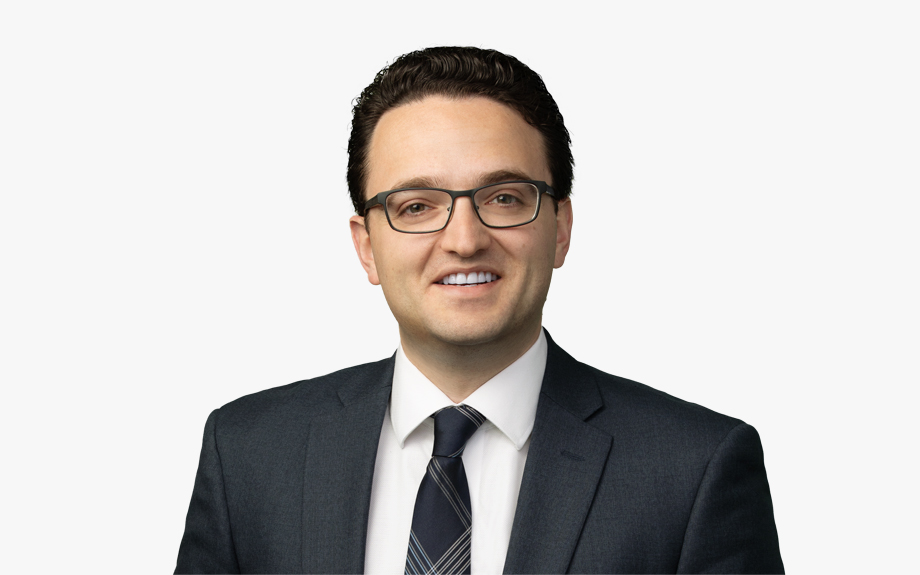
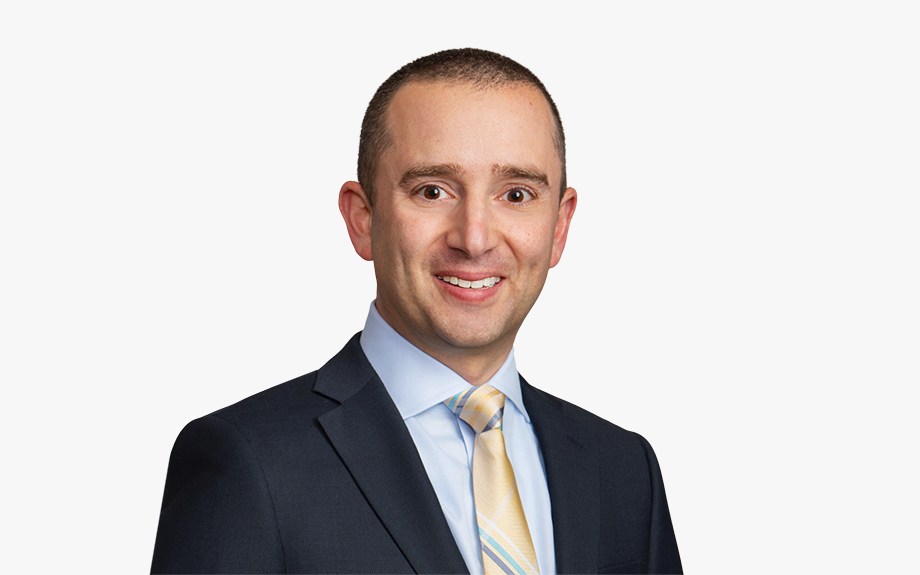
The McDermott team was led by Alexander Clavero and John Zukin with invaluable assistance from Jenna Young, Alexandra Alvarez, Llewelyn Engel, Adam Gartner, Gregory Metz, Noah Feldman Greene, David Levine, Daniel Graham, Emily Fallin, Ian Levin, Alex Ruiz, Wendy Phinny, Greg Heltzer, Luiza Stewart, Phoebe Flint, Darshak Dholakia, and John Zhang.
Read Gemspring’s press release.
About McDermott Will & Schulte’s Private Equity Group
With more than 150 private equity-focused lawyers working across offices globally, McDermott Will & Schulte’s Private Equity Group is poised to help clients stay ahead of the curve on all types of PE transactions, including fund formation, mergers and acquisitions, minority and majority investments, and leveraged buyouts. Legal 500 notes our team’s “ability to understand the business and specific needs of the client.” We anticipate the unknown and deliver actionable solutions, aligning our strategy and advice with clients’ objectives and guiding them through each step of the private equity life cycle. At every stage, we manage and assess risks and opportunities while looking for the most efficient way to get the deal done. Our team of leading private equity practitioners offers deep industry experience in the healthcare, life sciences, food and beverage, energy, real estate, insurance, and technology sectors – along with the cross-border and cross-practice capabilities critical to facilitating business success. When you work with us, Always Better isn’t just our goal – it’s your advantage.
Leading organizations turn to global law firm McDermott Will & Schulte for a better way to address legal challenges, connect with those at the forefront, and drive stronger outcomes. Working across more than 20 offices globally, our 1,750+ lawyers act on data-driven insights, deep relationships, and unmatched industry experience to deliver on our commitment of Always Better.









Media contact

2026 U.K. enforcement outlook: A whole-government strategy to fight corruption
COVERAGE
2026 U.K. enforcement outlook: A whole-government strategy to fight corruption
February 25, 2026
Read time: 2 min




Media Contact

Preparing For Fund Managers Directive 2 Compliance
COVERAGE
Preparing For Fund Managers Directive 2 Compliance
February 25, 2026
Read time: 2 min
Partners Karen Butler, Josh Dambacher and Christopher Hilditch authored an article that was published in Law360. The article examined the upcoming deadline for the implementation of AIFMD 2 and outlined the necessary actions that fund managers must undertake by April 16.



Media Contact
McDermott Will & Schulte advises Boyne Capital in close of single asset continuation fund for Pilot Energy
DEAL ANNOUNCEMENT
McDermott Will & Schulte advises Boyne Capital in close of single asset continuation fund for Pilot Energy
February 24, 2026
Read time: 4 min
International law firm McDermott Will & Schulte represented Boyne Capital (Boyne), a Florida-based private equity firm focused on investments in lower middle market companies, in a single-asset secondary transaction to extend its partnership with Pilot Energy (Pilot), a US-based technology-enabled energy advisory and management platform. The transaction included formation of a continuation fund (the Fund) and includes new capital to support Pilot’s acquisition strategy and organic growth initiatives. The Fund, which will be managed and controlled by Boyne, was anchored by New 2nd Capital as its lead investor and received additional commitments from both new and existing Boyne LPs.
The McDermott team was led by M&A/corporate partner Harris Siskind and investment funds partner Ian Schwartz. The team included investment funds partners David Nestler, Prem Amarnani, and Lauren Nevidomsky and associates Freddie Alvarado, Jonathan Chasin, and Grace Kirtland; M&A/corporate partners Bob Clagg, John Zukin, and Ana Hubert and associates Will Orner, Alexandra Alvarez, and Lily Wang; finance partner Anh Lee and associate Jesse Douglas; tax partners Alex Ruiz and Kevin Hall and associates Kwabena Yeboah and Anthony Teng; investment funds regulatory partner Allison Scher Bernbach; and ERISA partner Todd Solomon.
About McDermott Will & Schulte’s Private Equity Group
With more than 150 private equity-focused lawyers working across offices globally, McDermott Will & Schulte’s Private Equity Group is poised to help clients stay ahead of the curve on all types of PE transactions, including fund formation, mergers and acquisitions, minority and majority investments, and leveraged buyouts. Legal 500 notes our team’s “ability to understand the business and specific needs of the client.” We anticipate the unknown and deliver actionable solutions, aligning our strategy and advice with clients’ objectives and guiding them through each step of the private equity life cycle. At every stage, we manage and assess risks and opportunities while looking for the most efficient way to get the deal done. Our team of leading private equity practitioners offers deep industry experience in the healthcare, life sciences, food and beverage, energy, real estate, insurance, and technology sectors – along with the cross-border and cross-practice capabilities critical to facilitating business success. When you work with us, Always Better isn’t just our goal – it’s your advantage.
Leading organizations turn to global law firm McDermott Will & Schulte for a better way to address legal challenges, connect with those at the forefront, and drive stronger outcomes. Working across more than 20 offices globally, our 1,750+ lawyers act on data-driven insights, deep relationships, and unmatched industry experience to deliver on our commitment of Always Better.













Media contact
Benefits group of the year: McDermott
COVERAGE
Benefits group of the year: McDermott
February 24, 2026
Read time: 2 min




Media Contact
Chicago’s new social media amusement tax: A novel local levy
COVERAGE
Chicago’s new social media amusement tax: A novel local levy
February 23, 2026
Read time: 2 min