






COVERAGE
McDermott adds restructuring pros from Ropes & Gray in NY
May 1, 2026
Read time: 2 min
About Us


You may also like




COVERAGE
May 1, 2026
Read time: 2 min
PRESS RELEASE
May 1, 2026
Read time: 4 min
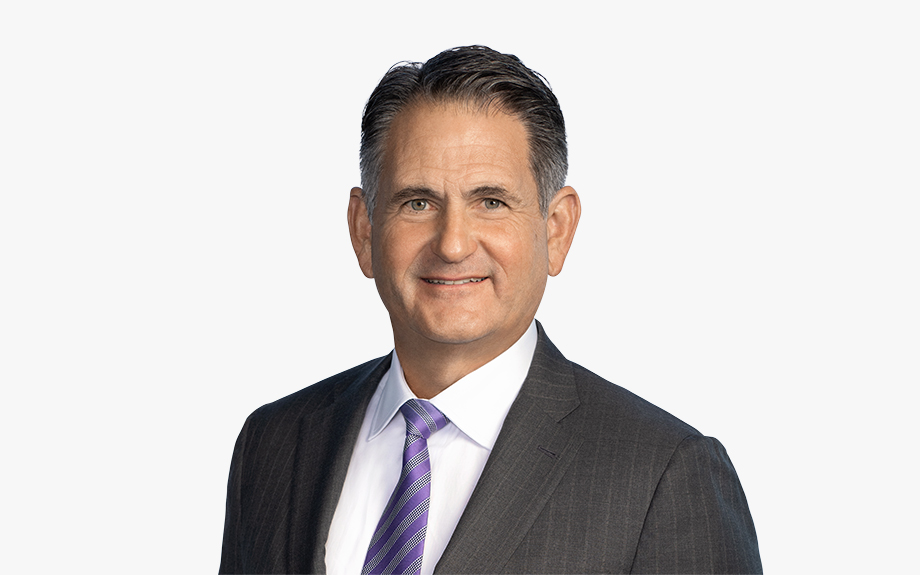
Restructuring partner Lindsay Barca is joining McDermott Will & Schulte, strengthening the firm’s distressed practice as private equity sponsors face mounting portfolio company refinancings. Her arrival follows partner Gregg Galardi‘s recent hire and signals the firm’s positioning for complex, billion-dollar reorganizations.
Lindsay brings dual-sided experience that is particularly valuable in today’s market: she has represented creditor groups in billion-dollar restructurings while also guiding debtors through contested Chapter 11 cases involving mass tort liabilities and operational turnarounds. This perspective allows her to anticipate moves from all stakeholders – a critical advantage when sponsors need to protect equity value or creditor groups are negotiating recovery strategies.
“Private equity sponsors increasingly need restructuring counsel who can see around corners – who understand both how to position a portfolio company for the best outcome and how creditor groups will likely respond,” said Gregg Galardi, global co-head of McDermott’s Business Restructuring Group. “Lindsay has successfully managed billion-dollar capital structure challenges across healthcare, consumer, manufacturing, and technology sectors. Having worked with her previously, I know she brings the exceptional commercial judgment and execution capabilities that sponsors demand when valuations are under pressure and time is short.”
Lindsay’s track record includes some of the market’s most sophisticated and high-stakes restructurings. She represented a major orthopedic device manufacturer through a sale process while managing over $350 million in debt and billions of dollars in alleged tort liabilities. In another matter involving a cosmetics company, she helped resolve $870 million in funded debt while untangling complex licensing arrangements.
“The complexity of restructurings has intensified – we’re seeing more special situations involving mass torts, regulatory overlays, and competing stakeholder groups,” said Lindsay. “McDermott gives me the ability to work seamlessly with deeply experienced finance, M&A, and private equity teams – which is exactly what these mandates require. Sponsors don’t want siloed advice; they need integrated counsel that understands both the deal dynamics and the restructuring outcomes.”
Lindsay strengthens McDermott’s ability to serve sponsors through different entry points in the distressed cycle – whether providing early-stage liability management advice, representing debtors in Chapter 11, advising DIP lenders and plan sponsors, or working with creditor groups seeking optimal recoveries. Her experience spans Chapter 11 reorganizations, out-of-court workouts, distressed M&A, and cross-border insolvencies. Lindsay joins the New York office.
The Restructuring Practice Group includes more than 50 lawyers across New York, Dallas, Chicago, Miami, Wilmington, Atlanta, London, Paris, and Düsseldorf, working closely with the firm’s broader transactions, finance, and private equity teams to guide clients through distressed situations globally.
Leading organizations turn to global law firm McDermott Will & Schulte for a better way to address legal challenges, connect with those at the forefront, and drive stronger outcomes. Working across more than 20 offices globally, our 1,700+ lawyers act on data-driven insights, deep relationships, and unmatched industry experience to deliver on our commitment of Always Better.
COVERAGE
April 29, 2026
Read time: 2 min








ARTICLE / CLIENT ALERT
April 27, 2026
Read time: 17 min
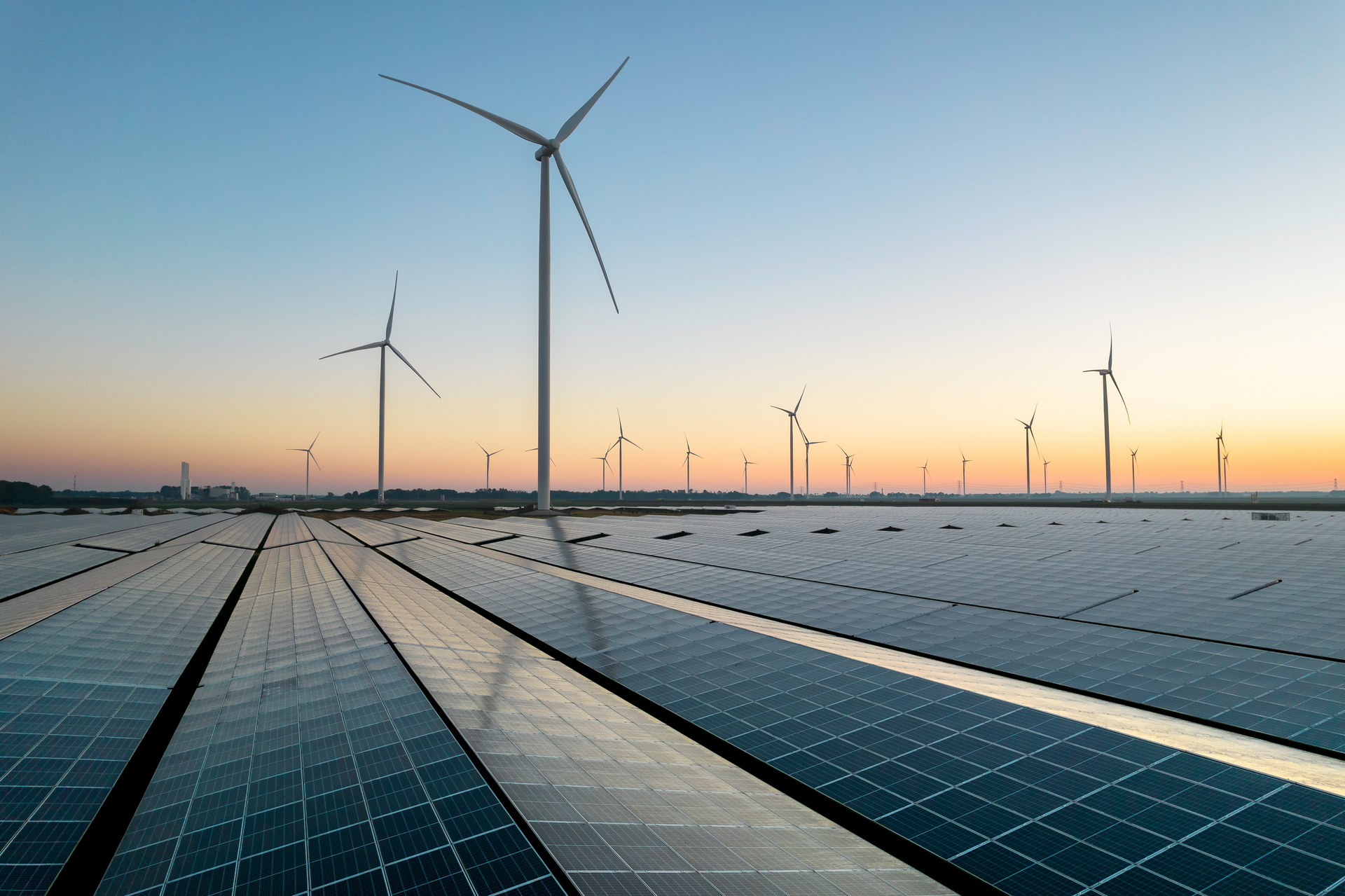
Following the release of an initial unofficial draft version of the reform of the German Renewable Energy Sources Act 2027 (Erneuerbare-Energien-Gesetz, EEG) in February 2026, the German Federal Ministry for Economic Affairs and Energy (Bundesministerium für Wirtschaft und Energie) published a first official ministerial draft on 22 April 2026 and submitted it for consultation with industry associations.
Below, we summarize key changes to the EEG in the ministerial draft version (EEG 2027-Draft Act) that will be important for project developers and investors in the renewable energy sector in Germany going forward.
With the EEG 2027-Draft Act, the Federal Ministry for Economic Affairs and Energy is pursuing three core guiding principles: market orientation, cost efficiency, and grid compatibility.
To implement these principles, the expansion of renewables in Germany is intended to consider the energy supply system as a whole to a greater extent than in the past, and to be more closely synchronized with the expansion of the electricity grid.
The investment framework under the EEG 2027-Draft Act is intended to promote renewable energy in a market- and system-supportive manner while also dampening cost trends. Specifically, this is to be achieved through the abolition of fixed feed-in remuneration (Einspeisevergütung), the complete discontinuation of remuneration during periods of negative prices, and the end of financial support for smaller renewable energy plants with a capacity of less than 25 kW.
The EEG 2027-Draft Act also contains further material amendments that have become necessary due to European requirements under the Electricity Market Regulation and state aid requirements of the European Commission. This includes, in particular, the introduction of a clawback mechanism (Contracts for Difference, CfDs).
At the same time, the ministerial draft maintains the EEG’s existing target of increasing the share of electricity generated from renewable energy sources in gross electricity consumption to 80% by 2030. Accordingly, the expansion pathways (Ausbaupfade) are continued, with the resulting tender volumes largely maintained through 2032 and further increased for ground-mounted solar plants.
Project developers and investors should be prepared for a fundamental shift in the funding logic for subsidized renewable energy plants (i.e., those plants with an installed capacity of more than 100 kW and with the exception of biomass plants) under the EEG 2027-Draft Act, with a clawback mechanism to be introduced in Germany, in line with EU law requirements. Section 20a EEG 2027-Draft Act provides for a financing model for this mechanism, in the form of two-sided CfDs, under which plant operators will no longer be permitted to retain revenues that exceed the applicable tariff (anzulegender Wert).
Under the CfD regime, in phases of higher electricity market prices the profits exceeding the applicable tariff will be clawed back. The draft ties into the existing market premium system and, as a general rule, maintains the existing model of subsidized direct marketing (geförderte Direktvermarktung) with production-dependent support. However, this model will in future be supplemented by a “refinancing contribution” (Refinanzierungsbeitrag) payable by the plant operator if the energy-source-specific annual market value (energieträgerspezifischer Jahresmarktwert) exceeds the applicable tariff.
The new clawback mechanism set out in Section 20a(1) EEG 2027-Draft Act is based on calendar years. Accordingly, either a “clawback year” or a “support year” applies.
The basic economic logic of the new CfD system will be as follows:
Where, under this logic, a clawback year applies, the plant operator must pay the refinancing contribution to the grid operator, and the grid operator is obliged to collect the refinancing contribution from the plant operator in order to ensure comprehensive collection and forwarding to the central EEG account.
The future clawback mechanism applies to all “new plants” under the EEG 2027-Draft Act. This includes renewable energy plants that have received an EEG award in an EEG tender procedure with a bid date after 1 January 2027. For all other existing plants that were awarded under the current EEG or an older version of it, the existing market premium model without a clawback mechanism will continue to apply.
Whether a refinancing contribution must be paid by the plant operator is determined annually, retrospectively, for the preceding calendar year, in accordance with Annex 1 No. 4 to the EEG 2027-Draft Act, as follows:
RB = JW – AW
RB = refinancing contribution (Refinanzierungsbeitrag)
JW = annual market value (Jahresmarktwert)
AW = applicable tariff (anzulegender Wert)
If, under this formula, a clawback year applies, the refinancing contribution is payable for each kilowatt-hour of electricity that is generated by the plant in such a clawback year and fed into the grid, with electricity quantities temporarily stored in Battery Energy Storage Systems (BESS) also being taken into account. While the earlier unofficial draft version of the EEG 2027 circulated in February still provided for a so-called “neutral corridor” above the applicable value (within which there would have been neither a entitlement to receive support nor an obligation to pay the refinancing contribution), under the EEG 2027-Draft Act, the refinancing contribution will now apply immediately once the annual market value exceeds the applicable value.
This calculation formula is supplemented in the EEG 2027-Draft Act by additional, specific provisions. In particular, the refinancing contribution is to be adjusted in periods of low market revenues (Zeiten geringer Markterlöse). This adjustment is intended for situations in which the spot market price is positive throughout the clawback year, but where the price in individual quarter-hour intervals is so low that, after deducting its costs and paying the refinancing contribution, a plant operator can no longer generate a profit, and it would therefore be foreseeable that the operator would curtail production at the renewable energy plant despite the presence of a positive market value.
In such situations, the refinancing contribution is to be reduced accordingly and is calculated as follows:
RBadjusted = spot market price – minimum revenue
Minimum revenues (Mindesterlöse) in cents/kWh are specified for:
Solar plants: 0.5 ct./kWh
Onshore wind energy: 1 ct./kWh
The minimum revenue is intended to cover the plant operators’ ongoing costs and to provide an incentive to not curtail production at the renewable energy plant. The Federal Network Agency (Bundesnetzagentur) is also authorized to adjust the amount of these minimum revenues, although only increases (and not reductions) are permitted.
The refinancing contribution is mandatory for all subsidized renewable energy plants. However, under the EEG 2027-Draft Act there is a one-time option to exit the EEG support regime and thus also the end the obligation to pay the refinancing contribution. The plant operator may notify the grid operator that it no longer wishes to receive support for the electricity generated by the plant going forward. This also eliminates the payment obligation for the refinancing contribution. Such declaration is final, however, and may only be made within the first 10 years after the commissioning of the respective renewable energy plants.
As the opt-out option already demonstrates, the obligation to pay the refinancing contribution is directly linked to the receipt of EEG subsidies. This concept is also reflected in the following additional individual provisions:
Due to EU law requirements, the EEG 2027-Draft Act introduces resilience auctions (Resilienzausschreibungen), which will also apply to onshore wind.
The general objective of the resilience auctions is to strengthen the resilience of European industry and the energy supply and to reduce existing dependencies, or to counteract emerging new dependencies. However, the EEG 2027-Draft Act initially anchors only the core principles of this new auction category and sets the auction volumes (3,500 MW per year).
Further details are to be determined subsequently in an ordinance, including, in particular, the detailed design of the qualitative award criteria (e.g., supply chain resilience, sustainability, and cybersecurity).
Under Section 28e EEG 2027-Draft Act, 3,500 MW per year are provided for the resilience auctions. These volumes are deducted from the auction volume for regular auctions for onshore wind. However, if volumes cannot be awarded in the resilience auctions, they are added back to the auction volume for regular auctions for onshore wind in the following year.
As is currently the case under the existing legal framework, there will continue to be four auction dates per year for onshore wind. However, due to the introduction of the resilience auctions, the structure of the auction dates will change going forward, as one auction date will always be reserved for the resilience auction.
In the introductory year, 2027, the resilience auction will take place on 1 August, and the regular auctions for onshore wind will take place on 1 February, 1 May, and 1 November. From 2028 onwards, the bid date of 1 February will be reserved for the resilience auctions, and the regular auctions will then take place on 1 May, 1 August, and 1 November.
The new resilience auctions pursuant to Section 39n EEG 2027-Draft Act (see above) will be introduced not only for onshore wind but also for ground-mounted solar plants. For ground-mounted solar, an annual auction volume of 500 MW is set by law (Section 28e EEG 2027-Draft Act), which – just as with onshore wind – is credited against the regular auction volume (i.e., not auctioned in addition).
Against the background of the introduction of the resilience auctions, the number of auction dates for ground-mounted solar plants will be increased from three to four going forward. As is already the case under the current legal framework, the regular auctions for ground-mounted solar plants will take place on 1 March, 1 July, and 1 December. From 2027, an additional bid date for resilience auctions will be introduced on 1 September.
This legislative change is aimed at addressing cases in which non-privileged plants are “overtaken” during the development plan procedure by privileged plants, with the risk that, at the time of commissioning, they no longer are eligible to receive the payment entitlement (Zahlungsberechtigung) required for the EEG support due to the statutory rules of the aggregation of plants. Since operators of non-privileged plants will often not yet be aware of privileged plants whose project planning begins later than the time of their investment decision, the legislator considers the operator’s confidence in the investment sufficiently worthy of protection to justify an exception to the plant aggregation requirement, which remains generally applicable.
Battery Energy Storage Systems are not addressed in the EEG 2027-Draft Act as a standalone technology eligible for comprehensive support; rather, they are treated primarily as a system component to increase the flexibility of renewable energy plants and grids.
The EEG regime is being reconfigured so that BESS are expected to be economically viable through market logic and grid relief, not through traditional EEG support. For this reason, the previous innovation auctions (Innovationsausschreibung) will be discontinued. Accordingly, there will be no direct support for BESS (in combination with renewable energy plants). Instead, the EEG 2027-Draft Act creates indirect incentives and effects for increased deployment of BESS.
Key considerations include that:
The ministerial draft of the EEG 2027 will now undergo consultation with industry associations and will subsequently be introduced (potentially in a further revised version) into the parliamentary legislative procedure, which is not expected to be completed before the fall of this year.
As the major EEG reforms in recent years have shown, further amendments are to be expected during the legislative procedure. The new EEG 2027 is scheduled to enter into force on 1 January 2027.
Irrespective of possible further changes in the ongoing procedure, the now-published ministerial draft already makes sufficiently clear what major changes can be expected under the EEG 2027.
At the same time, it is clear that the EEG 2027 will continue to provide a reliable investment framework for renewable energy in Germany. For existing plants, the CfD provisions will not apply due to the constitutionally anchored principle of protection of trust (Vertrauensschutzprinzip). Moreover, investments in new plants will offer opportunities, given long-term stable expansion targets and continued auction volumes for onshore wind and ground-mounted solar plants.
The future focus on more cost-effective ground-mounted solar plants is also likely to strengthen the “utility-scale solar” segment. However, this raises the question of how the recently significantly undersubscribed EEG auctions can be made more attractive again in order to restore the investment viability of ground-mounted solar plants. Notably, the ministerial draft also does not address how the recently significantly oversubscribed wind auctions are to be handled. There is a pressing need for remedial measures to bring to life the large number of permitted wind projects that have recently been unsuccessful in EEG auctions.
We will keep you informed of further developments regarding the EEG 2027. Please feel free to contact us at any time if you have questions regarding the planned changes.




DEAL ANNOUNCEMENT
April 27, 2026
Read time: 3 min
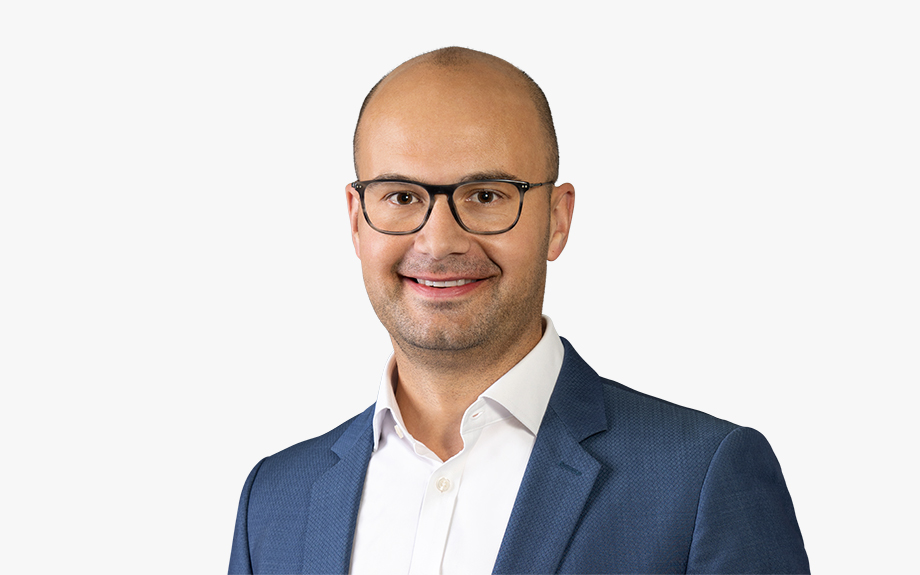
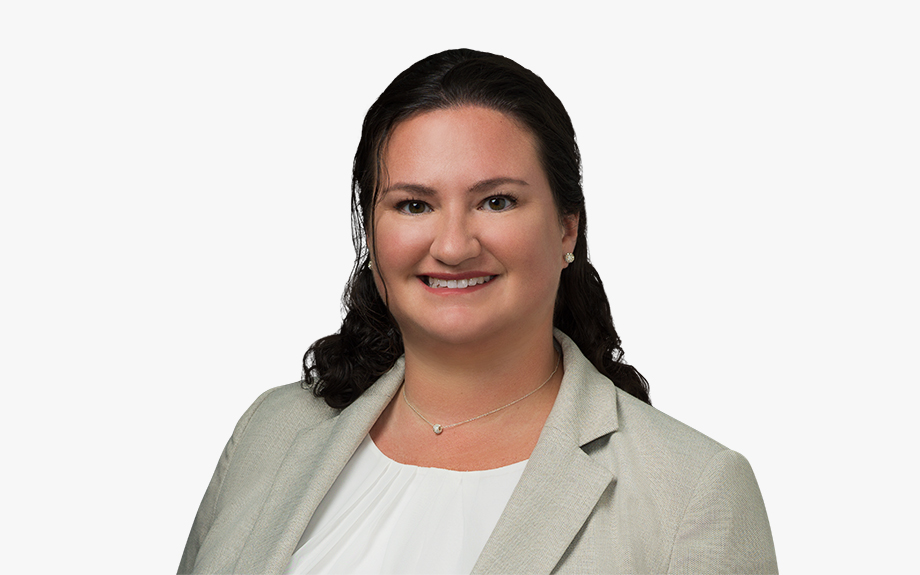
Global law firm McDermott Will & Schulte represented Altai Capital in its agreement with OraSure Technologies, Inc., a leader in point-of-need and home diagnostic tests and sample management solutions, which resulted in the appointment of a new independent director and a commitment by OraSure to seek shareholder approval of a proposal to declassify its Board of Directors.
The McDermott team was led by Ele Klein and Brandon Gold and included Samuel Dayan.
Leading organizations turn to global law firm McDermott Will & Schulte for a better way to address legal challenges, connect with those at the forefront, and drive stronger outcomes. Working across more than 20 offices globally, our 1,700+ lawyers act on data-driven insights, deep relationships, and unmatched industry experience to deliver on our commitment of Always Better.



DEAL ANNOUNCEMENT
April 27, 2026
Read time: 3 min
International law firm McDermott Will & Schulte advised Cerberus Capital Management on its agreement to acquire Lendco Limited (Lendco) from Cabot Square Capital (Cabot) and minority shareholders.
Founded in 1992, Cerberus is a global alternative investment firm with approximately $70 billion in assets across complementary credit, real estate, and private equity strategies. Cerberus invests across the capital structure where it believes its integrated investment platforms and proprietary operating capabilities can help improve performance and drive long-term value. Cerberus’ tenured teams have experience working collaboratively across asset classes, sectors, and geographies as they seek to achieve strong risk-adjusted returns for investors.
Lendco is one of the UK’s fastest growing specialist buy-to-let and bridging lenders. Established in 2018 as a strategic joint venture between Cabot and SPF Private Clients, the business has lent nearly £3 billion to date.
McDermott’s private equity team was led by partner Fatema Orjela and associate Tom Johnson and included counsel Zoe Woodhouse and associates, Arjun Sehgal and Raees Khan.
The wider team included Vlad Maly, Michal Chajdukowski, Alex Jupp, Elizabeth Spencer, Devina Rana, Hannah Guest and Pilar Arzuaga.
Leading organizations turn to global law firm McDermott Will & Schulte for a better way to address legal challenges, connect with those at the forefront, and drive stronger outcomes. Working across more than 20 offices globally, our 1,750+ lawyers act on data-driven insights, deep relationships, and unmatched industry experience to deliver on our commitment of Always Better.









COVERAGE
April 24, 2026
Read time: 2 min

DEAL ANNOUNCEMENT
April 22, 2026
Read time: 4 min
Global law firm McDermott Will & Schulte represented Stellus Rx, a technology-enabled pharmacy care management platform and a portfolio company of WindRose Health Investors, in the acquisition of Tria Health, a provider of pharmacist-led chronic condition support for self-insured employers and their members.
Together, Stellus Rx and Tria Health will create a single, pharmacist‑led platform designed to support patients throughout their medication journeys. The goals are improved clinical outcomes, more seamless patient experiences and materially reduced total cost of care for value‑based care organizations, employers and other risk‑bearing stakeholders.
The McDermott team was led by Jarrett Szczesny with invaluable support from Nic Dilts, Sarah Kitchell, Drew Montemarano, Emily Curran, Mimi Alexandre, Jennifer Hill, Elliana Lenz, Henry Fisher, Nathan Gray, Sydney Merritt Martinez, Paul Gadiock, Alejandra Chumbes, Amy Pimentel, Deepak Tamasker, Kate Williams, Jiayan Chen, Ellie Atkins, Melis Solaksubasi, Ian Levin, Raja Chatterjee, Jae Lee, Alex Ruiz, Grayson Dimick, Larissa Mussi, and Callee Donovan.
Read Stellus Rx’s press release here.
About McDermott Will & Schulte’s Private Equity Group
With more than 150 private equity-focused lawyers working across offices globally, McDermott Will & Schulte’s Private Equity Group is poised to help you stay ahead of the curve on all types of PE transactions, including fund formation, mergers and acquisitions, minority and majority investments, and leveraged buyouts. At every stage, we manage and assess risks and opportunities while looking for the most efficient way to get the deal done. Our team of leading private equity practitioners offers deep industry experience in the healthcare, life sciences, food and beverage, energy, real estate, insurance, and technology sectors – along with the cross-border and cross-practice capabilities critical to facilitating business success.
Leading organizations turn to global law firm McDermott Will & Schulte for a better way to address legal challenges, connect with those at the forefront, and drive stronger outcomes. Working across more than 20 offices globally, our 1,750+ lawyers act on data-driven insights, deep relationships, and unmatched industry experience to deliver on our commitment of Always Better.





















COVERAGE
April 22, 2026
Read time: 2 min

Partner
COVERAGE
April 22, 2026
Read time: 2 min