
ARTICLE / CLIENT ALERT
New York enacts the Jack Reid Law: Protect All Students Act
November 19, 2025
Read time: 4 min
On October 23, 2025, Governor Kathy Hochul enacted the Jack Reid Law (the Reid Law), amending the New York Education Code to extend certain protections to students attending nonpublic elementary and secondary schools, similar to the public school Dignity for All Students Act (DASA) (see our previous alerts for discussions on DASA which is not binding on nonpublic schools). Schools must comply with the requirements of the Reid Law immediately.
Definitions
The Reid Law provides that “[n]o student shall be subjected to harassment or bullying, including cyberbullying, by other students on school property or at a school function.” It defines “harassment” and “bullying” collectively as the “creation of a hostile environment by [verbal or non-verbal] conduct, or by threats, intimidation, or abuse, including cyberbullying, that
(a) has or would have the effect of unreasonably and substantially interfering with a student’s educational performance, opportunities or benefits, or mental, emotional or physical well-being;
(b) reasonably causes or would reasonably be expected to cause a student to fear for their physical safety;
(c) reasonably causes or would reasonably be expected to cause physical injury or emotional harm to a student; or
(d) occurs off school property and creates, or would foreseeably create, a risk of substantial disruption within the school environment, where it is foreseeable that the conduct, threats, intimidation or abuse might reach school property.”
“Cyberbullying” is defined as harassment or bullying that “occurs through any form of electronic communication.”
Policy
The Reid Law requires that schools adopt an anti-bullying and harassment policy. The policy should be in age-appropriate plain language and must include a definition of harassment and bullying, along with information on reporting, investigating, and documenting such conduct. Further, the policy must include an age-appropriate process for notifying victim(s) about the final outcome of an investigation.
Schools are required to publish this policy on their website or internal parent and student portal. The policy must be shared annually with employees, parents, and students.
Employee reporting
Under the Reid Law, employees who witness harassment or bullying or receive a report of harassment or bullying, must orally notify the head of school (or their designee) or the principal no later than one school day after witnessing the conduct or receiving the report, and they must follow up with a written report within two school days after making the oral report.
Investigations
Heads of school (or their designees) or principals must promptly investigate any report of harassment or bullying. They must then communicate their findings with the victim(s), as well as take immediate steps and follow up in a manner reasonably calculated to 1) ensure the safety of the student(s), 2) ensure that such conduct has stopped, and 3) protect against retaliation.
Next steps
All nonpublic schools should review and update their current anti-bullying and harassment policies to reflect the new requirements under the Reid Law. In addition, schools should train employees on the new reporting obligations described above and should create internal forms for employee written reports. Further, schools should establish investigation and notification protocols and train those leading investigations accordingly.
Our experienced McDermott Will & Schulte lawyers are available to help you review and revise existing policies, create internal reporting forms, and respond to reports in a thoughtful and complaint manner.
If you have any questions concerning this client alert, please contact your McDermott Will & Schulte lawyer or one of the authors.







Illinois amends power of attorney law to better protect third parties from invalid documents
ARTICLE / CLIENT ALERT
Illinois amends power of attorney law to better protect third parties from invalid documents
November 19, 2025
Read time: 6 min
On January 1, 2025, Illinois Public Act 103-0994 took effect, amending the Illinois Power of Attorney Act to reduce risk for third parties by ensuring the powers of attorney presented to them are still in force. The new law authorizes third parties (such as banks, hospitals, and other institutions) to now request that the agent named in a power of attorney certify the agent’s valid authority to act, under penalty of perjury. It also provides a statutory framework outlining when a third party may – and may not – reasonably refuse to recognize the validity of a power of attorney.
Certification by agent
A third party may now limit its risk by requesting that the agent named in a power of attorney provide either an affidavit or an Agent’s Certification and Acceptance of Authority (Certification and Acceptance) to ensure the power of attorney is effective. While the statute offers both options, it is likely preferable for agents to provide third parties with a Certification and Acceptance, for which there are clearly defined requirements.
The Certification and Acceptance is a simple form by which the agent certifies, under penalty of perjury (which is a Class 3 felony in Illinois), that the following are true:
- The power of attorney is a true copy.
- The principal had the capacity to execute the power of attorney.
- The principal is alive.
- The principal has not revoked the power of attorney.
- The agent’s powers as such have not been altered or terminated.
- The power of attorney remains in full force and effect.
Reasonable refusal
While the Illinois Power of Attorney Act provides broad protection to any third party that acts in good faith reliance on a power of attorney, the 2025 additions to the statute bring welcome clarity by outlining specific scenarios in which a third party may and may not reasonably refuse to accept a power of attorney.
A third party may not refuse to recognize an Illinois power of attorney in the following circumstances, which, in general, relate to the form and execution of a power of attorney:
- The power of attorney is not prepared on a form prescribed by the third party.
- Time has passed (a) since the power of attorney was executed or (b) between the date the principal signed the power of attorney and the date of acceptance by the agent.
- The power of attorney is missing an original signature, an original witness, or an original notarization but is accompanied by a properly executed Certification and Acceptance that bears the agent’s original signature.
- The power of attorney names an entity as the principal’s agent.
A third party may refuse to honor an Illinois power of attorney in the following circumstances:
- The agent refuses to provide, upon request, either an affidavit or a properly executed Certification and Acceptance.
- The agent refuses to provide a copy of the original document certified to be valid by an attorney, court order, or governmental entity.
- The third party, in good faith, refers the principal and the agent (or a person acting for or with the agent) to the local adult protective services unit.
- The third party has (a) actual knowledge or (b) a reasonable basis to believe that the agent (or a person acting for the agent) has been reported to adult protective services for alleged abuse, neglect, exploitation, or abandonment of the principal.
- The third party has actual knowledge of the principal’s death or a reasonable basis for believing the principal has died.
- If provided a nondurable power of attorney, the third party has actual knowledge that the principal is incapacitated or has a reasonable basis for believing that the principal is incapacitated.
- The third party has actual knowledge (or a reasonable basis for believing) that the principal was incapacitated at the time the power of attorney was executed
- The third party has actual knowledge (or a reasonable basis for believing) that (a) the power of attorney was procured through fraud, duress, or undue influence or (b) the agent is engaged in fraud or abuse of the principal.
- The third party has actual knowledge (or a reasonable basis for believing) that the power of attorney has been terminated or revoked.
- If a title insurance company, the third party refuses to underwrite title insurance for a gift of real property made pursuant to a statutory short form power of attorney that does not contain express instructions or purposes of the principal with respect to gifts.
- The principal’s attorney refuses to certify on request that the power of attorney is valid.
- The power of attorney is missing a signature, includes an incorrect signature, contains an invalid notarization, or is simply unacceptable.
- The third party (a) has filed a suspicious activity report as described by 31 U.S.C. § 5318(g) with respect to the principal or agent, (b) believes in good faith that the principal or agent has a prior criminal history involving financial crimes, or (c) has had a previous, unsatisfactory business relationship with the agent due to or resulting in material loss to the third party, financial mismanagement by the agent, or litigation between the third party and the agent alleging substantial damages.
- The third party has reasonable cause to suspect the abuse, abandonment, neglect, or financial exploitation of the principal, if the principal is an eligible adult under Illinois’s Adult Protective Services Act.
Why it matters
These changes to the Illinois Power of Attorney Act are intended to reduce legal and financial risk for third parties by giving them clear legal grounds to verify the validity of a power of attorney and avoid liability for honoring invalid documents. For agents, principals, and attorneys preparing powers of attorney, the new rules streamline the acceptance process, especially in high-stakes or time-sensitive situations.
Immediate next steps
Any attorneys who prepare powers of attorney for clients should be prepared to explain this new law to clients and have copies of a Certification and Acceptance form ready. It may be prudent to preemptively include such forms when preparing powers of attorney for clients, to reduce any delay during emergency situations.
Legal and compliance teams should also review and update internal procedures to ensure staff are trained on these new requirements and know when they can or must accept a power of attorney.




Connecticut bans mandatory electronic payment info for healthcare access
ARTICLE / CLIENT ALERT
Connecticut bans mandatory electronic payment info for healthcare access
November 18, 2025
Read time: 5 min
Key update
Effective October 1, 2025, Connecticut’s Public Act 25-97 introduced a significant change for health systems and providers regarding patient payment practices. The new provision prohibits health systems from requiring patients to provide credit cards, debit cards, bank accounts, or other electronic payment information as a condition for receiving care.
Connecticut is now the second state to enact such a law, following New York, which implemented General Business Law § 519 in 2024. The New York law similarly bars providers from requiring payment information as a prerequisite for care and mandates that any such requests be voluntary.
Why it matters
- While Connecticut’s new healthcare laws apply broadly across the provider landscape, they may have particular implications for independent medical practices and digital health companies, especially regarding payment and consent practices.
- Healthcare providers should proactively evaluate their current consent procedures and billing workflows to identify necessary updates for compliance.
Background
As a reminder, effective October 20, 2024, New York prohibits hospitals and healthcare providers from requiring credit card preauthorization or requiring a patient to have a credit card on file prior to providing emergency or medically necessary medical services. Health providers are also required to notify all patients about the risks of paying for medical services with a credit card, particularly that by using a credit card to pay for medical services, the patient is forfeiting state and federal protections relating to medical debt.
New legislation in Connecticut establishes that healthcare providers and health systems in the state may not require patients to provide or keep on file any form of electronic payment information, such as bank account information, credit card numbers, or debit card numbers, as a prerequisite for an office visit or receiving healthcare services. Violating Public Act 25-97, Section 4 is considered an unfair trade practice under the Connecticut Unfair Trade Practices Act (CUTPA). Penalties include temporary restraining orders, an injunction, or a civil penalty of not more than $25,000 per violation.
Under Section 19a-508c, Connecticut defines a health system as:
- A parent corporation of one or more hospitals and any entity affiliated with such parent corporation through ownership, governance, membership, or other means.
- A hospital and any entity affiliated with such hospital through ownership, governance, membership, or other means.
Meanwhile, “health care provider” is defined as “an individual, entity, corporation, person or organization, whether for-profit or nonprofit, that furnishes, bills or is paid for health care service delivery in the normal course of business, including, but not limited to, a health system, a hospital, a hospital-based facility, a freestanding emergency department and an urgent care center.”
This prohibition does not affect a patient’s obligation to pay for healthcare services or prevent providers from requesting; collecting; or storing bank accounts, credit cards, debit cards, or other payment-related information if the patient agrees to provide such information.
How each state differs
While both Connecticut and New York prohibit healthcare providers and systems from requiring patients to provide electronic payment information before receiving services, the two laws differ significantly in scope and enforcement.
A key distinction between the two is that New York’s law applies exclusively to credit card transactions, whereas Connecticut’s law encompasses all forms of electronic payment. Consequently, providers in New York may collect debit card or automated clearing house transfer details while providers in Connecticut are prohibited from doing so. New York’s law is designed to prevent individuals from inadvertently forfeiting statutory protections by using a credit card, since, under other laws, a debt ceases to qualify as “medical debt” once owed to a third-party creditor rather than the original provider. In contrast, Connecticut’s law reflects a broader concern with the use of electronic payment more broadly. Moreover, Connecticut enforces its prohibition through CUTPA, with significant civil penalties, while New York requires the US Department of Health and Human Services (HHS) to develop patient disclosure guidelines and assigns enforcement to the attorney general (though HHS has yet to issue such guidelines).
Next steps for healthcare providers
Providers and health systems should assess their current consent and billing processes to assess how payment information is collected from patients prior to receipt of care to ensure compliance with the new laws. It should be made clear to patients that any such collection is subject to their agreement in advance.
Please contact the authors or your regular McDermott Will & Schulte lawyer with any questions related to these new requirements.







Global M&A trends: 4 notable Q3 2025 cases out of the US, EU, and UK
ARTICLE
Global M&A trends: 4 notable Q3 2025 cases out of the US, EU, and UK
November 2025
Read time: 5 min
Global merger control authorities remained highly active in Q3 2025, scrutinizing deals across healthcare, aerospace, logistics, and digital platforms. In the United States (US), the Federal Trade Commission (FTC) and US Department of Justice (DOJ) pursued aggressive enforcement in home health markets, while European and United Kingdom (UK) regulators focused on cross-ownership, supply-chain resilience, and platform dominance.
These cases highlight evolving priorities: safeguarding innovation, addressing labor-market effects, and managing competitive risks in sectors critical to public welfare and industrial strategy. Below are four notable decisions that illustrate these trends.
Notable US case
DOJ reaches mid-litigation consent in UnitedHealth’s acquisition of Amedisys
Markets/structure
The DOJ alleged the deal would eliminate head-to-head competition between two of the three largest providers of home health services, UnitedHealth and Amedisys, in hundreds of local markets.
Summary and observations
The DOJ alleged that the merger of two of the three largest home health services providers would result in a significant increase in concentration in hundreds of localized markets where UnitedHealth or Amedisys treat home health patients. Additionally, the DOJ alleged that the merger would substantially lessen competition in employment prospects, compensation, and other employment terms for home health and hospice nurses.
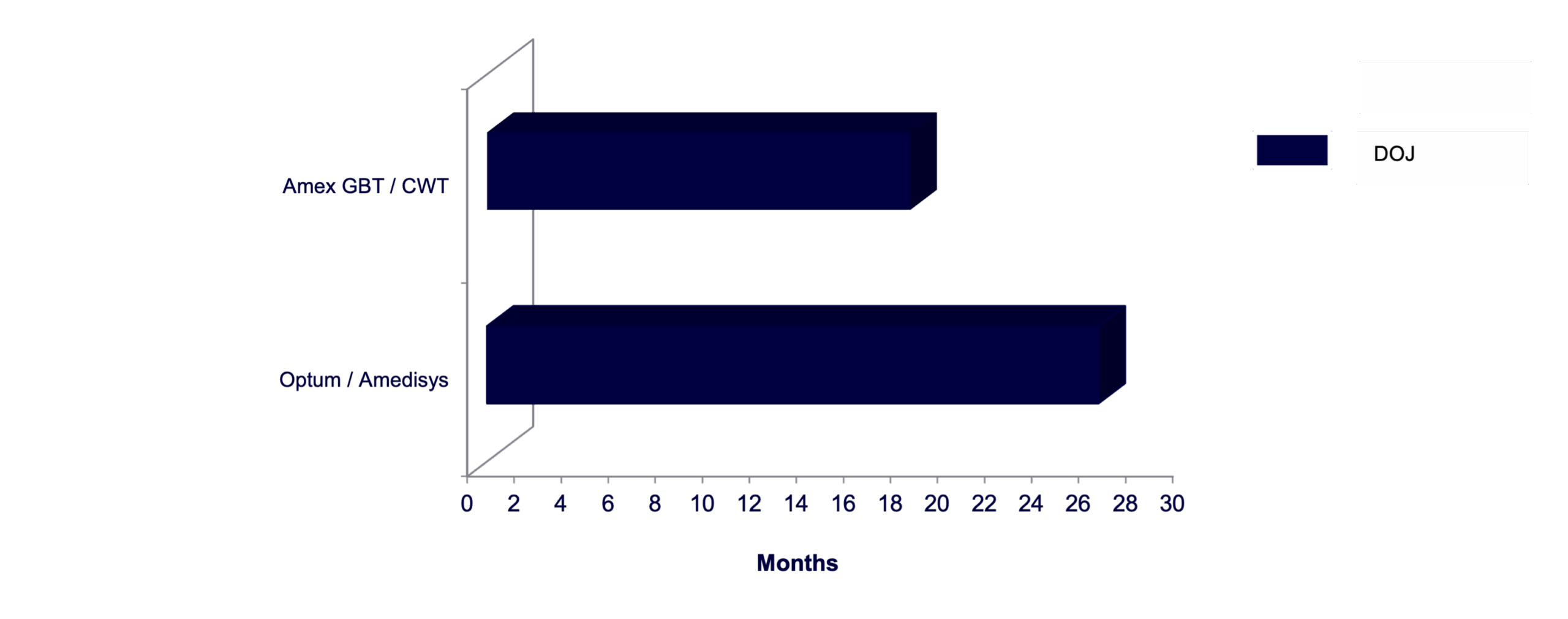
The settlement requires the divestiture of 164 home health and hospice locations across 19 states (which accounted for approximately $528 million in annual revenue). The settlement also required Amedisys to pay a $1.1 million civil penalty to settle the DOJ’s allegation that it falsely certified that it had provided true, correct, and complete responses under the Hart-Scott-Rodino Act during the DOJ’s merger review, when it produced a large volume of documents after that certification.
The DOJ touted the settlement as the largest divestiture of outpatient healthcare services to resolve a merger challenge.
Notable EU and UK cases
EC clears Prosus’s acquisition of JET with conditions
Markets/structure
Prosus/Naspers sought to acquire Just Eat Takeaway (JET), which operates online food-delivery platforms.
Summary and observations
The European Commission approved the transaction subject to commitments aimed at preventing conflicts of interest and overlap between Prosus’s holdings in competing delivery platforms. The remedies included a partial divestment and limits on Prosus’s ability to influence strategic decisions in rival companies, notably Delivery Hero.
The case illustrates the Commission’s growing scrutiny of cross-ownership structures in the digital platform economy and its effort to safeguard competitive independence among major European delivery operators. It has been widely discussed in competition law circles as a precedent for future investment-based control cases.
CMA clears Boeing’s acquisition of Spirit AeroSystems
Markets/structure
The CMA granted Phase I clearance on August 8, 2025, with the full decision published later in the month. The review focused on Boeing’s acquisition of Spirit AeroSystems’s segments, specifically upstream components and supply chain for aircraft structures.
Summary and observations
The CMA cleared the transaction following an assessment of potential supply-chain effects in the UK aerospace sector. The authority examined whether the acquisition might restrict competitors’ access to key structural components but concluded that sufficient alternative suppliers remained active in the market. The decision also acknowledged the deal’s relevance to the UK’s industrial strategy and the importance of resilient domestic supply chains.
The case is notable for showing how the CMA balances competition concerns with broader national policy considerations in strategically significant industries.
CMA approves merger of EVRi and DHL eCommerce UK
Markets/structure
The transaction involved parcel delivery and e-commerce logistics, combining DHL eCommerce UK with EVRi and granting DHL a structural and minority stake in EVRi.
Summary and observations
The CMA granted Phase I clearance on September 4, 2025, despite vertical and cooperative elements within the transaction. The deal combined EVRi’s domestic delivery network with DHL’s UK e-commerce operations, alongside a reciprocal minority shareholding. The authority investigated whether the structure could facilitate coordination or reduce competitive pressure in parcel logistics but found that strong competition would continue to constrain the merged entity.
The decision highlights the CMA’s pragmatic approach to joint-venture and partnership models in logistics and its recognition of evolving collaboration structures driven by e-commerce growth.









A deep dive into recent EU and UK antitrust M&A shifts: Flexible jurisdiction and remedies
ARTICLE
A deep dive into recent EU and UK antitrust M&A shifts: Flexible jurisdiction and remedies
November 2025
Read time: 7 min
Recent developments in European Union (EU) and United Kingdom (UK) merger control reveal a dynamic shift toward greater flexibility and practical enforcement. From jurisdictional referrals that balance local expertise with centralized oversight to remedies designed for real-world viability, competition authorities are reshaping how deals are assessed and cleared. These changes underscore a growing emphasis on strategic planning, early engagement, and operational readiness – factors that now define success in navigating complex regulatory landscapes. For dealmakers, understanding these trends is essential to anticipate challenges and secure timely approvals.
Flexible jurisdiction: The EU’s “referral up” and “referral down” toolkit in action
Jurisdictional allocation remains a defining feature of EU merger control, and recent cases have showcased just how flexibly the system can respond to the realities of modern dealmaking. Two contrasting referrals highlight both the strengths and the ongoing challenges of this approach: one “down” to a national authority, one “up” to Brussels.
A key trend in recent years is the increasing willingness of the European Commission to refer cases with purely national competitive effects to Member State authorities, even when the transaction meets the EU dimension thresholds. The Mehiläinen/Regina Maria Healthcare Group case is a textbook example: Despite the parties’ global scale, the deal’s impact was confined to Romania’s healthcare sector. The Commission’s decision to grant a full “referral down” under Article 4(4) EUMR reflects a pragmatic approach, ensuring that local markets are assessed by those with the best knowledge of their dynamics.
The Commission’s readiness to hand over jurisdiction signals growing trust in national enforcers’ expertise – especially in sectors such as healthcare, retail, and media, where market realities are often highly localized. For dealmakers, this means that even “big ticket” transactions may ultimately be reviewed under national rules and standards, with all the procedural and substantive nuances that entails.
Nevertheless, the referral system is not a one-way street. The Brasserie Nationale/Boissons Heintz case demonstrates how national authorities can invite the Commission to take over cases that, while local in scope, raise complex or sensitive competition issues. Here, Luxembourg’s request for a “referral up” under Article 22 EUMR was driven by concerns about market concentration and the need for robust, resource-intensive analysis. The Commission’s acceptance and its subsequent imposition of significant remedies shows that Brussels remains the forum of choice for cases with broader policy implications or where national authorities seek additional firepower.
National authorities are increasingly proactive in escalating cases to the EU level when they perceive a need for deeper scrutiny, cross-border coordination, or simply a more authoritative outcome. This trend is particularly pronounced in markets with entrenched incumbents, high entry barriers, or where remedies may have ripple effects beyond national borders.
The dual-track referral system is a strength of EU merger control, allowing for both local expertise and centralized oversight. However, it also introduces unpredictability: The same transaction could be reviewed under very different standards depending on the direction of referral, the appetite of national authorities, or even political considerations. Recent speeches by Directorate-General for Competition officials have emphasized the need for “coherent and efficient” allocation, but the practical reality is that forum shopping and procedural jockeying remain part of the landscape.
For merging parties, the message is clear: Jurisdictional strategy is now a core part of deal planning. Early engagement with national and EU authorities, careful mapping of potential competition concerns, and scenario planning for divergent outcomes are more important than ever. The key is to anticipate where the deal will land and to be ready for a review that is both local and European in character.
When remedies get real: From aerospace divestments to local distribution dynamics
Recent merger reviews by the UK’s Competition and Markets Authority (CMA) illustrate how competition authorities are sharpening their focus on the practical enforceability of remedies and how early engagement can make the difference between clearance in Phase I and a lengthy investigation. The Safran/Collins Aerospace transaction, reviewed in parallel by the Commission and the CMA, and the Schlumberger/ChampionX inquiry, assessed solely by the CMA, offer valuable insights into how remedies are evolving not just in substance, but also in structure, timing and execution.
In the aerospace sector, both the Commission and the CMA identified concerns in the market for trimmable horizontal stabilizer actuation (THSA) systems. These components are essential for aircraft stability and fuel efficiency, and the merger would have combined two of the few global suppliers. To resolve these concerns, Safran committed to divesting its North American THSA business, including sites in Canada, the United States and Mexico. The buyer, Woodward Inc., was preapproved by both authorities, as confirmed in the Commission’s decision published on October 10, 2025. The Commission emphasised that the buyer had to possess the technical capability and financial resources to operate the business as an effective competitor over time.
The CMA’s early involvement proved decisive. By working with the parties from the outset, the authority ensured that an effective remedy package and a credible buyer were identified before formal clearance. It accepted undertakings in lieu of a Phase II reference and imposed an upfront buyer condition. The CMA reviewed Woodward’s integration plans, including the relocation of certain manufacturing activities to Poland, as well as transitional service agreements, knowledge transfer arrangements, and buyer suitability criteria. This proactive engagement allowed the case to be cleared in Phase I. By contrast, the Commission also cleared the deal with commitments but delegated oversight to a monitoring trustee, reflecting a more traditional approach. The comparison highlights the CMA’s growing insistence that remedies must be operationally viable before clearance is granted.
The Schlumberger/ChampionX case, concerning oilfield services, reinforces this trend. The CMA accepted commitments in lieu of a Phase II investigation, having been closely involved throughout remedy design and buyer selection. It even required that the buyer be pre-approved prior to clearance, underlining its focus on ensuring that divestments would function effectively in practice. While the CMA maintains a clear preference for structural remedies, it is increasingly open to behavioral measures where these ensure that a structural divestment remains viable and achieves its intended effect.
There are several takeaways from the CMA’s approach to remedies. First, merger remedies are no longer just about what to divest but also how that divestiture will work in practice. Competition authorities are increasingly focused on the real-world implementation of remedies. Whether in aerospace or energy services, regulators expect merging parties to demonstrate that a remedy is not only conceptually sound but operationally workable and ready to go at the time of clearance. Early engagement and proactive remedy planning are now critical to achieving Phase I outcomes. Second, while structural remedies remain the benchmark, authorities are showing a greater willingness to accept supporting behavioral measures where these enhance the effectiveness of a divestment. The shift is toward remedy realism: Effective execution now matters as much as formal design. Where parties engage early and present credible, practical solutions, even complex mergers can obtain swift clearance.
EU and UK M&A activity: By the numbers
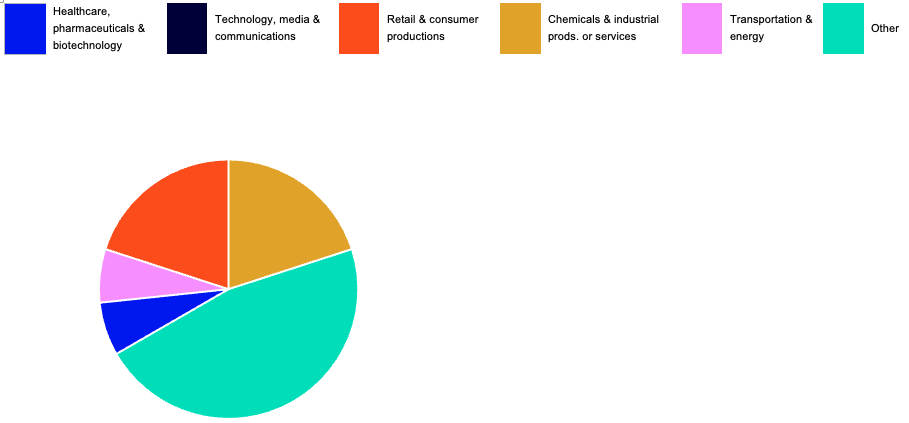
Number of enforcement actions in key industries1
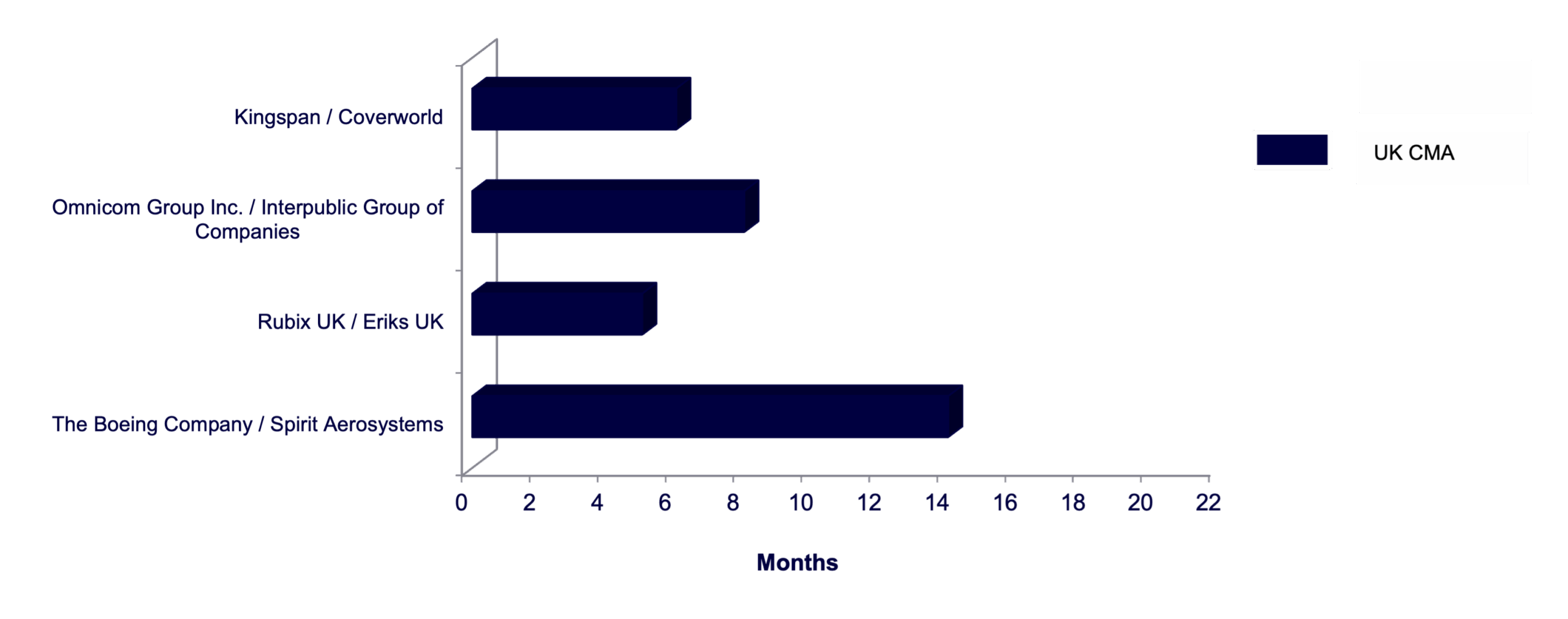
Snapshot of selected enforcement actions2
Time from signing to clearance

3 takeaways from US antitrust M&A activity in Q3 2025
ARTICLE
3 takeaways from US antitrust M&A activity in Q3 2025
November 2025
Read time: 6 min
United States (US) antitrust enforcement in Q3 2025 reflects a pragmatic yet assertive approach under the Trump administration. While the US Department of Justice (DOJ) and Federal Trade Commission (FTC) are clearing mergers swiftly or resolving concerns through settlements, they remain vigilant on compliance – particularly with Hart-Scott-Rodino (HSR) obligations. Recent speeches and enforcement actions underscore a dual message: Regulators aim to facilitate dealmaking where competitive risks are minimal but will not hesitate to impose penalties or pursue litigation, when necessary.
DOJ antitrust head says its aim is to “get out of the way quickly” in most cases
In a speech before the Ohio State University Law School, US Assistant Attorney General (AAG) Gail Slater, the head of the DOJ Antitrust Division, noted that the guiding principle of her (and the Trump administration’s) antitrust enforcement philosophy is to enforce the nation’s competition laws “both vigorously and fairly, with clear rules that facilitate, rather than stifle, the ingenuity of [America’s] greatest companies.” AAG Slater said the DOJ’s job is to call balls and strikes and let the free market do its job, opining that the “vast majority of mergers do not give rise to competitive concerns, and in those cases, [the DOJ] aim[s] to get out of the way quickly.”
These comments are consistent with what we have seen with the Trump FTC and DOJ in 2025, as demonstrated by the number of merger settlements entered into this summer by the FTC and DOJ. Though AAG Slater’s remarks only represent the Antitrust Division’s enforcement philosophy, the FTC appears to be following a similar philosophy as the DOJ by clearing transactions unconditionally or entering into significantly more merger settlements as compared to the Biden administration.
The chart below identifies the merger settlements entered into this summer and fall. It is important to note that the Trump DOJ agreed to settle two merger challenges brought by the Biden administration (Hewlett Packard Enterprise/Juniper Networks and United Health/Amedisys). Despite the merging parties proposing a settlement, the FTC elected to continue challenging GTCR’s acquisition of Surmodics, arguing that the divestiture proposed was not a stand-alone business and would not maintain competition. The Surmodics challenge demonstrates that the Trump antitrust regulators will still scrutinize proposed settlements and will not just accept any settlement if it does not address its concerns.
The chart below is provided as a refresher of the merger settlements entered into this summer and early fall.
Merger settlements in Q2/Q3 2025
| Merging parties | Settlement requirements | Antitrust agency |
| Synopsys/Ansys | Divestiture of optical software tools, photonic software tools, and consumption analysis tool | FTC |
| Keysight Technologies/Spirent Communications | Divestiture of high-speed ethernet testing, network security testing, and RF channel emulation businesses | DOJ |
| Safran/RTX | Divestiture of North American actuation business and related assets | DOJ |
| Hewlett Packard Enterprise/Juniper Networks | Mid-litigation divestiture of HPE Instant On business and license critical Juniper software to independent competitors | DOJ |
| UnitedHealth/Amedisys | Mid-litigation divestiture of 164 home health and hospice locations across 19 states | DOJ |
DOJ continues to pursue alleged HSR rules violations
Although the antitrust agencies are accepting more settlements, they are still aggressively investigating and prosecuting companies that they contend violate the HSR rules. As part of the UnitedHealth/Amedisys settlement referenced above, Amedisys agreed to pay a $1.1 million civil penalty and implement a compliance program to settle claims that it violated the HSR Antitrust Improvements Act (HSR Act) (15 U.S.C. § 18a) by allegedly falsely certifying that it had provided true, correct, and complete information in response to the DOJ’s merger investigation when it provided large volumes of information after that certification.
Amedisys is not the only company that has found itself in DOJ’s crosshairs. There have been a number of lawsuits related to HSR Act compliance either because parties allegedly provided false information or failed to comply with document production requirements. Former Assistant Attorney General for Antitrust Bill Rinner said in a speech earlier this summer that the division “will seek judicial sanctions where parties systematically abuse legal professional privilege or recklessly disregard professional duties by withholding or altering documents required by the HSR Act.”
AAG Slater announced the creation of the “Comply with Care” task force meant to resolve some of the challenges that the DOJ staff encounter with “problematic tactics” from outside lawyers and law firms – including what AAG Slater describes as delay tactics, privilege abuses, and destruction of evidence via failure to preserve ephemeral chat communications.
FTC and DOJ issue annual HSR report for FY 2024
The FTC and DOJ released the HSR Annual Report for FY 2024, which covers October 1, 2023, through September 30, 2024. While the report does not include the significant effects of the new HSR filing rules on parties making US premerger filings, it does contain key statistics regarding the number of filings overall and in specific sectors. In FY 2024, there were 2,031 transactions reported under the HSR Act, up from 1,805 the previous year. Roughly one-fourth of these transactions were valued at $1 billion or more. The agencies took action against 32 transactions – 18 by the FTC and 14 by the DOJ – resulting in abandonments, the restructuring of deals, or federal court litigation. Below are more key statistics on the number of challenged transactions and abandonments.
| FTC | DOJ | Total (percentage of transactions reported) | |
| Clearance granted to agency | 103 | 81 | 184 (9.0%) |
| Second requests | 30 | 29 | 59 (3.0%) |
| Enforcement actions against transactions | 18 | 14 | 32 (1.6%) |
| Abandonments/restructured transactions | 12 | 14 | 26 (1.3%) |
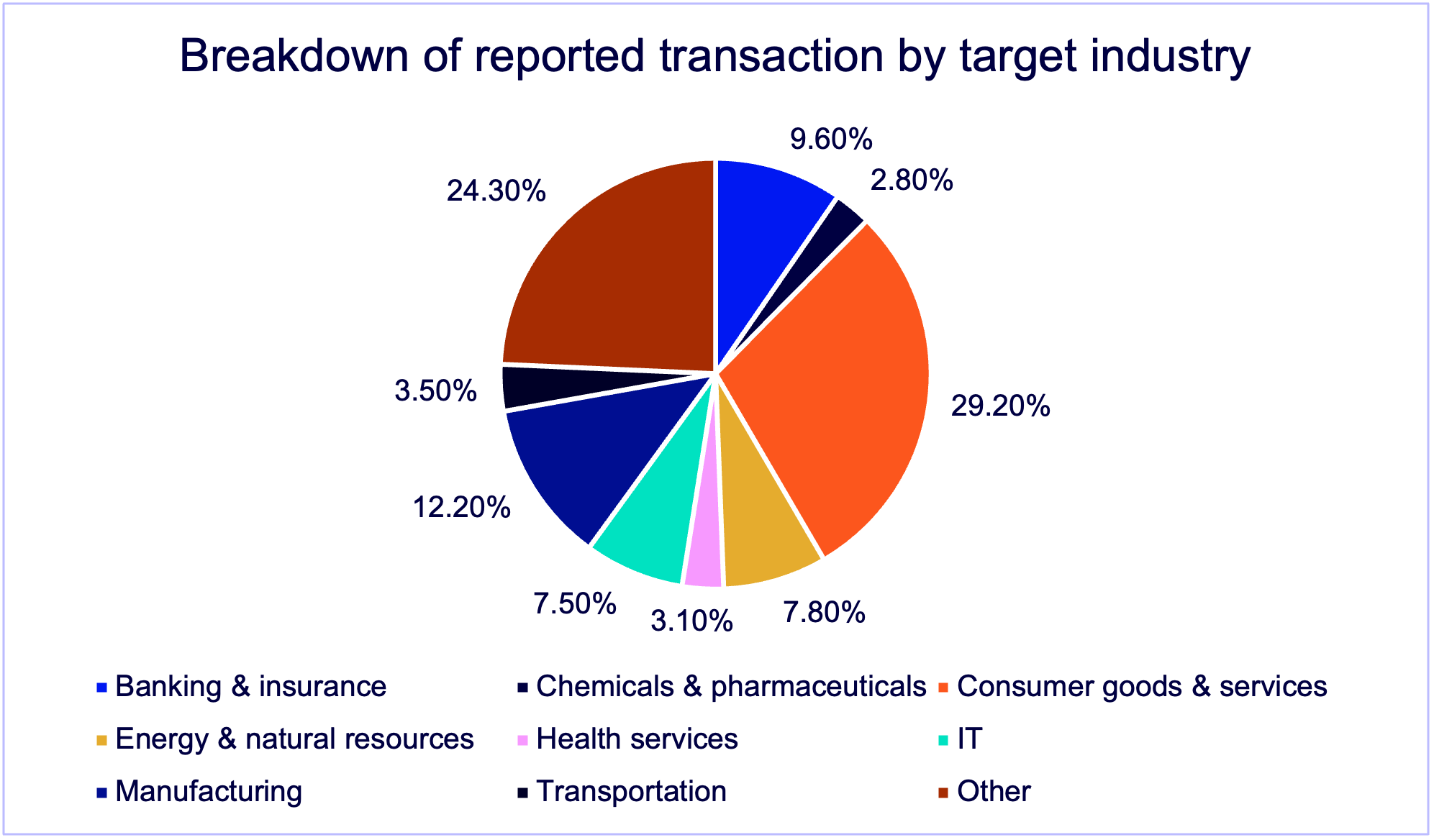
Below is the industry breakdown of adjusted transactions based on the acquired entity’s operations.
US M&A Activity: By the numbers
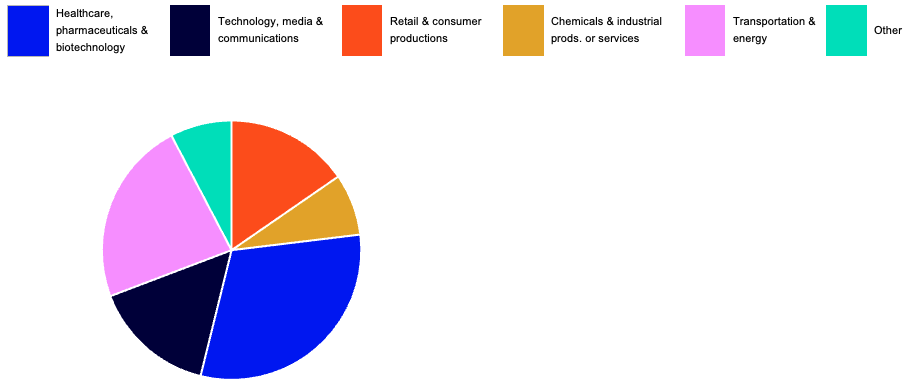
Number of enforcement actions in key industries1
Snapshot of selected enforcement actions2
Time from signing to consent or investigation closing

Inside HPE Europe 2025 | Deal flow on the rise: Financing healthcare and life sciences in 2026
ARTICLE
Inside HPE Europe 2025 | Deal flow on the rise: Financing healthcare and life sciences in 2026
November 2025
Read time: 5 min
It has been a busy year for European financing markets, with robust demand for refinancings driving volume. The fourth quarter of 2025 likely will see more transactions coming to market in preparation for an even livelier 2026, and lenders are gearing up for another 12 months of strengthening deployment.
In September 2025, McDermott Will & Schulte assembled hundreds of healthcare professionals, investors, and industry changemakers for the annual HPE Europe conference in London. Our keynote speakers, Steph McGovern and Robert Peston, hosts of the hit UK podcast The Rest is Money, outlined geopolitical trends impacting the markets, launching lively discussions about how private credit funds are addressing the healthcare sector and what borrowers will be looking for in the year ahead.
Investors and borrowers alike are bullish about how hot the European financing markets have been this year, noting the proliferation of deal opportunities and advantageous terms. After an election year in the United States that saw a cautious return of activity following a slowdown in 2022 and 2023, limited partners were hungry for returns in 2025 and put pressure on sponsors to execute refinancings and dividend recapitalisations.
Private credit funds have enjoyed strong fundraising appetite in the higher interest rate environment of recent years and now are experiencing pressure to deploy capital and fierce competition for a small number of quality assets. The uncertainty created by the new US administration dashed expectations of a healthcare M&A surge coming into Q1 2025, but clarity emerged through the course of the year, and industry leaders expect more sellers to soon start bringing assets to market.
Ongoing disparities in pricing expectations between buyers and sellers have led to slower deal processes, but stakeholders anticipate that bid-ask spread will narrow going into 2026. Some private equity funds have held assets longer than anticipated and now are eager to transact.
“For lenders, it’s been a year defined by compression – tighter spreads, looser docs, and a more competitive deployment environment. The challenge now is to balance discipline without passivity. That tension has really defined 2025 so far.” – Aymen Mahmoud, European head of finance and co-head of the London Transactions Group and the London Finance, Restructuring, and Special Situations Group, McDermott Will & Schulte.
Creativity, certainty, and portability are front of mind
Amid pressure to deploy, credit quality will be more important than ever in 2026. Relationships with sponsors remain a priority, as do documentation, structuring, amortisation, and the ability to secure a seat at the table early in the event that the asset experiences difficulties.
A growing number of credit funds are building sector-focused teams with deep expertise in the healthcare and life sciences space, the better to evaluate assets’ creditworthiness. Developing specialist knowledge can equip lenders to handle more complex situations and be paid additional yield for doing the work that other lenders may be less willing to embrace.
A tough dealmaking environment and an uncertain macroeconomic and geopolitical backdrop have prompted borrowers to seek out lending partners that can deliver reliability and creative financing solutions. Portability features have played a significant role in leveraged finance negotiations. These features allow a debt facility to roll over even if the company is sold, without triggering a mandatory repayment.
In today’s market, certainty also is increasingly a key differentiator. In order to sign up to a deal first, some lenders are committing to transactions without doing a great deal of work, relying on sector knowledge to gain an advantage over competitors.
“Private credit is no longer defined by what banks don’t do. It’s evolving into a multi-product platform capable of addressing everything from securitisation to equipment and royalty financing. The direction of travel is sophistication, not substitution.” – Aymen Mahmoud, European head of finance and co-head of the London Transactions Group and the London Finance, Restructuring, and Special Situations Group, McDermott Will & Schulte.
Looking ahead to 2026
Investors and industry leaders are cautiously optimistic about the outlook for the next 12 months. They anticipate that artificial intelligence and other emerging technologies will create more healthcare investment opportunities and drive activity. Other mega trends such as nearshoring of manufacturing and demographic change will also play into investment theses.
Sponsors still face uncertainty over government spending, trade tariffs, and healthcare policy and regulation. A meaningful decline in interest rates is not expected imminently, so it may take time for M&A dealflow to fully unlock. However, recent years have highlighted the resilience of mature economies and the enduring attractiveness of the healthcare and life sciences sector for both sponsors and their lenders. If economic conditions downgrade, the financing markets could tighten, but with record dry powder in the system and signs of dealflow picking up, the hope is that 2026 will see the return of M&A. That robust outlook will likely continue.
“The dislocation of 2023 was an inflection point. With syndicated markets effectively shut, private credit demonstrated its ability to step into core territory and execute at scale. That credibility has endured as macro events drove turbulence. 2024 brought the banks back into the mix, but the market reset has left a more stable equilibrium. The interplay between private and public capital is healthier and far less binary than before as part of private credit’s evolution.” – Aymen Mahmoud, European head of finance and co-head of the London Transactions Group and the London Finance, Restructuring, and Special Situations Group, McDermott Will & Schulte.



Securing Strategic Sectors: Insights from McDermott’s Defense & Essential Infrastructure Roundtable
ARTICLE
Securing Strategic Sectors: Insights from McDermott’s Defense & Essential Infrastructure Roundtable
November 2025
Read time: 5 min
In October 2025, McDermott Will & Schulte hosted its Defense & Essential Infrastructure Roundtable, convening leading voices from across government, industry, and finance to discuss the challenges facing Europe’s most sensitive sectors.
The session featured insights from McDermott partners Sabine Naugès, Bertrand Delafaye, Charlotte Michellet, Guillaume Kellner, Romain Desmonts and Romain Perray, who examined how organisations can anticipate regulatory shifts, manage information security, access financing, address fiscal constraints, and strengthen resilience in an era of heightened geopolitical and technological risk.
We were delighted to welcome Nathalie Grimbert, Head of the SME Support Office for the Defence Industrial and Technological Base (BITD) within the Directorate General of Armament (DGA) at the French Ministry of Defence, who shared valuable insights into the government’s role in reviewing foreign investment applications and safeguarding national strategic interests.
While the roundtable covered diverse topics, one central message emerged: operating in or investing in strategic industries demands foresight, coordination, and an ability to navigate complexity across every dimension — legal, financial, and operational.
Defining the Scope of “Critical”
A recurring challenge for market participants lies in defining what actually constitutes a “critical” activity. Defence is relatively clear-cut, but the scope of essential infrastructure now extends notably across energy, cyber, data, AI, raw materials, transport, and healthcare. European and national frameworks governing foreign investment screening (‘FDI’) have expanded in parallel, but the resulting patchwork of rules leaves room for uncertainty.
Even seemingly peripheral links — subcontracting relationships, supply chains, or minor product placements — can trigger FDI notification obligations in multiple jurisdictions. This extraterritorial reach makes early regulatory mapping essential, ensuring that companies understand the terrain before strategic decisions are made.
Information Barriers and the Art of Anticipation
In these sectors, access to information is deliberately constrained. Classified or restricted materials, trade secrets, and confidentiality obligations limit visibility during due diligence, often forcing investors to make judgments based on incomplete or fragmented data.
This reality calls for careful planning. Establishing controlled “clean team” structures, identifying where access restrictions apply, and embedding security protocols into the transaction process all reduce friction. The key is to anticipate bottlenecks rather than react to them — a discipline that often determines whether a deal proceeds smoothly or stalls.
Regulatory Complexity as a Strategic Variable
European and national FDI regimes differ in both scope and pace, and a transaction approved in one jurisdiction can easily be delayed or blocked in another. Some countries also assert regulatory reach over deals with only a limited territorial connection.
For companies and investors, regulatory complexity must be treated as a strategic factor — one that affects valuation, structure, and timing. Integrating approval procedures into the deal calendar and using contractual tools such as long stop dates or ticking fees can help manage uncertainty. Anticipation and alignment across teams — legal, financial, and operational — are crucial to avoiding last-minute disruptions.
Financing Resilience in Sensitive Sectors
Financing remains a major constraint in the defence and essential infrastructure space. Companies in these sectors often face higher debt levels and tighter margins than their civilian peers, while their strategic profile can deter conventional lenders.
Public support and specialised investment vehicles have become increasingly important. Governments and financial institutions have begun refining ESG frameworks and credit doctrines to better accommodate strategic industries. Initiatives such as the Defence Investors Club are helping to bring together capital providers and sector leaders to share best practices and align expectations.
For businesses, maintaining open dialogue with both regulators and financiers is key — not only to secure funding, but to demonstrate commitment to responsible growth and compliance with national interest priorities.
Tax and Structural Considerations
Tax planning remains central to maintaining financial flexibility. The interaction between public subsidies and the research tax credit (CIR) can significantly influence a company’s cash flow and R&D strategy. Likewise, public or institutional participation may alter a firm’s European SME status, potentially affecting eligibility for tax incentives or public aid.
Well-considered structuring — including the use of convertible instruments or hybrid funding models — can help balance innovation investment with fiscal prudence.
Anticipating these effects early ensures that operational goals remain aligned with regulatory and financial realities.
Cybersecurity as Governance
Cybersecurity has evolved from a technical safeguard into a cornerstone of governance. The NIS II Directive reinforces this transformation by expanding compliance obligations, imposing management-level accountability, and introducing penalties for non-compliance.
For boards and leadership teams, cybersecurity now represents not just a compliance risk but an existential one. Effective governance means embedding cyber risk into strategic decision-making and ensuring that training, documentation, and oversight are consistent and robust. In an era where digital infrastructure underpins national resilience, cybersecurity has become inseparable from corporate responsibility.
Looking Ahead: Sovereignty and Strategic Foresight
Emerging European initiatives, including the anticipated regulation on outbound investment, reflect a growing determination to protect strategic technologies and industrial sovereignty. By introducing potential notification requirements for the transfer of know-how beyond the EU, these measures mirror existing inbound investment controls — and point toward a more comprehensive approach to economic security.
Ultimately, companies operating in defence and critical infrastructure must embrace multidisciplinary, proactive collaboration. Regulatory understanding, fiscal foresight, and operational discipline must converge to support resilience and competitiveness. In this environment, preparedness is not a tactical advantage — it is a precondition for sustainable success.






Key takeaways | West Coast Forum 2025
ARTICLE / CLIENT ALERT
Key takeaways | West Coast Forum 2025
November 12, 2025
Read time: 7 min
McDermott Will & Schulte’s West Coast Forum 2025 brought together ultra-high-net-worth families, family office professionals, and advisors for two half-day programs in San Francisco and Los Angeles. Through interactive discussions, attendees explored timely developments in wealth planning, from shifting tax and immigration policies to cross-border mobility, team building, and IRS enforcement priorities.
Highlights and key takeaways from the sessions are summarized below.
Laurie A. Baddon, Joan-Elisse Carpentier, and David G. Noren explored key developments in employment, immigration, and tax policy, along with broader impacts of the new administration’s legislative agenda.
Key takeaways:
- Federal tax policy and Internal Revenue Service (IRS) developments: An overview of federal policy under the Trump administration highlights the ongoing effects of reduced IRS staffing expected in 2025, including challenges in retrieving tax identification numbers relevant to year-end planning. The recent Loper Bright Supreme Court decision, which overturned Chevron deference, may also lead practitioners to take a more assertive stance when contesting agency regulations.
- Federal immigration and compliance issues: Key developments in federal immigration law include concerns around H-1B wage requirements and the $100,000 H-1B visa fee, the absence of clear guidance regarding applications for Trump’s Gold and Platinum Cards, and best practices for private clients employing domestic workers amid continued US Immigration and Customs Enforcement actions.
- Employment classification and state law trends: Federal guidance is shifting back to a pre-Biden framework for distinguishing employees from independent contractors, emphasizing the “economic realities” test rather than the “totality of the circumstances” approach. Despite this loosening at the federal level, several states – most notably California – continue to apply strict standards such as the ABC test. Additionally, beginning January 2026, California’s SB 723 will restrict “Stay or Pay” employment contracts, allowing them only under specific compliance conditions.

Inside HPE Europe 2025 | European healthcare investment in 2026: Outpatient services, optimisation, and optimism
ARTICLE
Inside HPE Europe 2025 | European healthcare investment in 2026: Outpatient services, optimisation, and optimism
November 2025
Read time: 5 min
As macro trends such as population growth, ageing demographics, and co-morbidities place increasing pressure on healthcare systems, investors are once again seeking out compelling opportunities in the healthcare services space. Going into 2026, investors are expected to double down on several emerging growth areas.
In September 2025, McDermott Will & Schulte assembled hundreds of healthcare professionals, investors, and industry changemakers for the annual Healthcare Private Equity Europe conference in London. Our keynote speakers, Steph McGovern and Robert Peston, hosts of the hit UK podcast The Rest is Money, outlined the latest geopolitical trends impacting the markets and launched lively discussions about what might be next for private equity investment in European healthcare.
One major trend that investors are watching is the shift towards outpatient care. In the United States, use of hospital beds has reduced by half over the past 50 years despite population growth. Europe too is seeing increased use of outpatient settings across a broad range of specialties. In France, outpatient surgical procedures have grown from 47% of all surgeries in 2013 to 64% in 2024. Cataract surgery, for example, has moved almost completely out of hospital settings on both sides of the Atlantic.
One US study showed that 10% of operations currently taking place in hospitals could be shifted to outpatient settings without having any impact on clinical outcomes. Many patients are keen to avoid hospital stays, so the move to alternative spaces could open up fresh investment opportunities.
The outpatient sector is attractive to investors for several reasons, including market tailwinds, the potential for operational and financial efficiencies, policy support, and technological innovation.
“The data shows that private equity has become a significant player in outpatient care both in the US and in Europe. There are a lot of opportunities in Europe now for private equity to step in and help deliver more affordable and efficient care in outpatient settings.” – Holger Ebersberger, partner, McDermott Will & Schulte.
Addressing skilled labour shortages
Staffing shortages continue to challenge the European healthcare sector, with 21 out of 28 European countries reporting a shortage of doctors in the last few years and 16 reporting a shortage of nurses. Data from the European Labor Authority estimates that the EU healthcare workforce is short 1.2 million doctors, nurses, and midwives.
As staffing shortages create myriad issues for healthcare providers, private equity firms have been focused on delivering solutions. Investors are particularly interested in opportunities that make use of emerging technologies, such as artificial intelligence (AI) and robotisation, to make systems more efficient.
AI use cases are beginning to emerge across the healthcare ecosystem. Several HPE Europe 2025 panellists pointed to recent investments that are already delivering value in diagnostics, medical imaging analysis, bed optimisation, and fall prevention. Moving forward, investors expect advances in personalised medicine, powered by AI and robotics, to offer significant value.
HPE Europe attendees identified talent and workforce challenges as one of the biggest difficulties facing healthcare investors in Europe today. In a poll, 72% of respondents stated that regulatory and reimbursement barriers were the biggest challenge to investments across Europe in 2025. Staffing ranked second with 18%.
Opportunities for future dealmaking
Investments in healthcare services businesses in Europe have slowed over recent years following a period of intense capital deployment in the wake of the COVID-19 pandemic. Some of those past transactions received elevated valuations but did not generate the returns expected. Since then, regulatory scrutiny of private capital in healthcare, reimbursement challenges, and an ongoing bid-ask spread issue have caused the buyer universe to decrease.
Today, with interest rates coming down and a clear ongoing need for affordable care in an outpatient setting, private equity buyers are showing signs of cautious interest again.
Some of the most attractive healthcare services investment hotspots today are in emerging niches such as mental health, women’s health, AI-enabled care, and home care, according to 49% of HPE Europe attendees. Specialist clinics in areas such as ophthalmology, fertility, orthopaedics, and dermatology are also garnering interest, according to 29% of respondents.
Investment bankers and other dealmakers expect more transactional activity in healthcare in 2026 than has been evident in 2025. Large listed healthcare businesses likely will prune their portfolios, creating carve-out opportunities for investors capable of such transactions.
The European market likely will also see more sponsor exits in the small to mid-cap space, more cross-border expansion of regional platforms, and heightened investor focus on domestic businesses rather than entities with global supply chains.
“There are now interesting investment prospects coming up in outpatient care and healthcare services, with a backlog of exits waiting to transact. Investors see ways to do things better and a swathe of value-creation opportunities driven by technology, which we expect to lead to more activity in 2026.” – Jason Zemmel, partner, McDermott Will & Schulte.