
ARTICLE / CLIENT ALERT
Major Changes Proposed to Substance Use Disorder Confidentiality Law
December 14, 2022
Read time: 21 min
In a Notice of Proposed Rulemaking published December 2, 2022 (the Proposed Rule), the United States Department of Health and Human Services (HHS) proposed long-awaited changes to the regulations protecting the confidentiality of substance use disorder patient records under Part 2 of Title 42 of the Code of Federal Regulations (42 CFR Part 2, or Part 2). Specifically, the Proposed Rule would implement provisions of Section 3221 of the Coronavirus Aid, Relief, and Economic Security Act (CARES Act), which required HHS to align Part 2 with certain provisions of the Health Insurance Portability and Accountability Act of 1996 (HIPAA) and to make certain changes to the HIPAA Notice of Privacy Practices, the form given to patients and plan members that describes patient privacy rights, covered entity duties, and the covered entity’s uses and disclosures of protected health information (PHI).
IN DEPTH
In March 2020, Congress included within the CARES Act an amendment to the Public Health Service Act that directed HHS to modify Part 2, which applies to substance use disorder patient records (Part 2 records) created by certain federally assisted substance use disorder treatment programs (Part 2 programs). HHS has now published a notice of proposed rulemaking to alleviate the compliance challenges resulting from differences in requirements for PHI and Part 2 records.
HHS has proposed a 24-month timeframe for compliance after the final rule is published. This encompasses the 60-day window for a rule to become effective after publication and an extended 22-month timeframe before enforcement.
BACKGROUND
In the early 1970s, Congress passed several laws to support substance use disorder treatment programs. Recognizing the potential stigma associated with obtaining treatment for alcohol and drug use disorders and the potential legal consequences for individuals that admit the use of illicit drugs in receiving treatment, Congress created confidentiality protections for individuals seeking care through federally assisted alcohol and drug treatment programs. These protections were memorialized under 42 CFR Part 2, which has remained largely unchanged over the past 50 years except for a few modifications in the last decade to permit certain redisclosures by recipients of Part 2 records. Despite these modifications, Part 2 still generally requires Part 2 programs and lawful holders to obtain prior written consent before disclosing (or redisclosing) records related to a patient’s treatment to any third party, with exceptions only for medical emergencies, research, program audits and limited court-ordered disclosures.
When HHS promulgated the standards for the privacy of PHI under HIPAA in 2000 (25 years after Part 2 was first promulgated), HHS took a more permissive approach to the use and disclosure of PHI. Under the HIPAA Privacy Rule, health care providers can use and disclose PHI for treatment, payment and health care operations without first obtaining consent from patients. This allows treating providers to consult with other health care providers in the provision of care to an individual, and to disclose medical records to a patient’s health plan as necessary to obtain payment for health care without obtaining the patient’s authorization. The HIPAA Privacy Rule did not preempt more stringent state and federal laws, however, leaving Part 2’s restrictive policies concerning Part 2 records intact. As a result, treatment programs covered by Part 2 that are also covered entities under HIPAA must comply with Part 2’s more stringent use and disclosure restrictions with respect to Part 2 records.
The HIPAA Privacy Rule also includes several requirements related to patient rights that are either absent or different from 42 CFR Part 2, including requirements to respond to patient requests to access and amend their records, or requests for an accounting of certain disclosures. HIPAA also created an administrative enforcement regime to penalize violations of HIPAA with civil monetary penalties. Conversely, Congress did not create an administrative enforcement regime under Part 2, leaving the responsibility of enforcement to US attorneys. As a result, there have been few compliance actions taken under 42 CFR Part 2.
In the CARES Act of 2020, Congress recognized these discrepancies between Part 2 and HIPAA, and concluded that Part 2 was preventing Part 2 providers from adequately coordinating medical care with other providers and health plans. Congress also authorized HHS to harmonize some of the patient rights and protections under Part 2 with those under HIPAA, and to issue civil money penalties for violations of Part 2 in accordance with the HIPAA civil monetary penalty regime.
Overview of Changes
HHS has proposed the following major changes, further discussed below, to 42 CFR Part 2, which would:
- Create a new pathway for treatment, payment and health care operations (TPO) pursuant to a single prior written consent from the patient.
- More clearly align Part 2 record compliance with HIPAA requirements by replacing definitions and disclosure processes to match HIPAA.
- Amend the enforcement provision of Part 2 to mirror the enforcement measures under HIPAA, giving HHS the authority to issue civil monetary penalties. This change also incorporates a limitation on civil and criminal liabilities for uses and disclosures of Part 2 records improperly received by investigative agencies, as long as the agency acted with reasonable diligence when requesting the Part 2 records.
- Apply the breach notification provisions and requirements from the Breach Notification Rule to Part 2 records, requiring Part 2 programs to adopt formal policies and procedures to protect against the unauthorized use or disclosure of unsecured Part 2 records.
- Require Part 2 programs and HIPAA covered entities to notify patients of their compliance with federal confidentiality regulations for substance use disorder treatment records by updating their Notices of Privacy Practices (NPPs).
- Remove the requirement under HIPAA to make a good-faith effort to obtain a written acknowledgment of the receipt of an NPP.
- Create and clarify existing patient rights regarding complaint processes and requests for an accounting of disclosure or restrictions on disclosure of their PHI.
- Update the standard for the de-identification of Part 2 records.
We discuss these modifications further below.
General Consent to Use and Disclose Part 2 Records for Treatment, Payment and Health Care Operations
The Proposed Rule proposes to create a new pathway for TPO pursuant to a single prior written consent from the patient. Although Part 2 programs must still obtain a written consent to disclose Part 2 records, the consent may permit all future uses and disclosures for TPO by “treating providers, health plans, third-party payers and people helping to operate” the Part 2 program. The written consent must otherwise meet the requirements for Part 2 consents, including a requirement to list the name or class of persons authorized to make the disclosure, provide a description of the information to be used or disclosed, and include the patient’s written or electronic signature.
However, unlike other Part 2 written consents, a general consent for TPO can last indefinitely with no expiration date, provided that the consent indicates that it will not expire. Additionally, the general consent must include statements indicating that 1) patient records disclosed to other Part 2 programs, covered entities or business associates may be further disclosed without the patient’s consent in accordance with the HIPAA Privacy Rule, except for uses and disclosures for civil, criminal, administrative and legislative proceedings against the patient, 2) redisclosures pursuant to the consent may no longer be protected by Part 2, and 3) any consequences to the patient of a refusal to sign the general consent.
The proposed new general consent would be valuable to Part 2 programs because it would allow them to obtain permissions to disclose Part 2 records for TPO within initial patient registration materials, as opposed to having to obtain a written consent for each individual disclosure. The Proposed Rule further establishes that Part 2 programs could condition a patient’s treatment on the patient agreeing to a general consent to disclose Part 2 records as needed to make referrals to other providers, obtain payment from a health plan or conduct a quality review of services provided. The general consent would also be valuable to other Part 2 programs, covered entities and business associates that receive Part 2 records, as it would generally allow these recipients to use and disclose the information like any other PHI they maintain, subject to the HIPAA Privacy Rule and any applicable state laws.
In accordance with the provisions in the CARES Act, though, the Proposed Rule prohibits Part 2 programs, covered entities, business associates, intermediaries or other lawful holders from disclosing records to initiate or substantiate criminal charges against a patient, to conduct a criminal investigation of a patient, or to offer the Part 2 records in any civil, criminal, administrative or legislative proceedings against a patient absent the patient’s consent or a special court order. The requirements for a court order under Part 2 are different than the requirements under the HIPAA Privacy Rule for disclosing PHI in response to civil, criminal, or administrative proceedings or criminal investigations.
With the Proposed Rule maintaining these remaining discrepancies between the HIPAA Privacy Rule and Part 2, covered entities, business associates and intermediaries will need to continue to maintain procedures for specially protecting the confidentiality of Part 2 records. It may be easier, however, to maintain different procedures for uses and disclosures in response to civil, criminal or administrative proceedings, as responding to these types of requests typically requires more manual effort. For example, disclosures to law enforcement are typically one-off disclosures rather than day-to-day treatment or payment disclosures through an electronic health record or health information exchange.
New Enforcement Actions for Part 2 Violations
The only enforcement actions previously available for Part 2 record violations were criminal actions by the US attorney of the applicable jurisdiction. The potential criminal liability was limited to a fine of $5,000 per violation for individuals or $10,000 per violation for organizations in accordance with Title 18 of the US Code. Under the CARES Act, Congress granted HHS the authority to issue civil money penalties for Part 2 violations, moving towards alignment with enforcement of HIPAA violations.
Through this Proposed Rule, the current limited enforcement provisions listed above would be replaced entirely to reference the enforcement actions in Sections 1176 (civil penalties) and 1177 (criminal penalties) of the Social Security Act, as implemented by the HIPAA Enforcement Rule. Under this change, violations of Part 2 requirements by Part 2 programs would be subject to potential civil monetary penalties up to $50,000 per violation depending on the level of culpability. (You can read more about HIPAA’s civil monetary penalties structure in our prior On the Subject discussing OCR’s 2019 Notice of Enforcement Discretion regarding penalties under HIPAA.) This authority also grants state attorneys general authority to bring civil enforcement actions, such as seeking an injunction against the offender or damages for those harmed. Additionally, the criminal enforcement actions previously available for Part 2 violations would be replaced by Section 1177 actions, including imprisonment up to 10 years or fines up to $250,000 depending on the severity and intent of the violation. This change also means that business associates and covered entities would be subject to enforcement actions by HHS for Part 2 violations in addition to HIPAA violations.
HHS notes that this proposed change incorporates limitations for potential civil and criminal liabilities that investigative agencies, and those acting on their behalf, might incur. Recognizing the increased risk associated with violating Part 2, the Proposed Rule creates a safe harbor for investigators if they unknowingly receive Part 2 records without following the proper processes, creating an incentive for them to fix the error. Investigative agencies and their agents must act with “reasonable diligence” in determining if Part 2 applies to records or programs before requesting records or seeking a court order. Investigative agencies that do not use reasonable diligence would be precluded from remedying the violation by seeking a court order to use or disclose such Part 2 records.
Stakeholders should be aware of the impact of this expanded enforcement framework, which will make enforcement of violations of Part 2 more likely, with higher potential civil monetary penalties. The Proposed Rule does not make clear whether the Substance Abuse and Mental Health Services Administration (SAMHSA), the division of HHS that is currently responsible for issuing regulations within 42 CFR Part 2, or the Office for Civil Rights (OCR), the division of HHS that enforces HIPAA, will be responsible for imposing civil monetary penalties for violations of Part 2 against Part 2 programs that are not covered entities or business associates. However, the Proposed Rule explicitly states that Part 2 programs or lawful holders of Part 2 records that are also covered entities or business associates will be subject to enforcement by OCR for violations of both HIPAA and/or Part 2.
Notice of Privacy Practices Requirements
Part 2 programs previously had to provide patients with notification of the program’s obligations to comply with 42 CFR Part 2. This included a written summary that the Part 2 program would provide to the patient, which was less comprehensive than the corresponding Notice of Privacy Practices (NPP) requirements in the HIPAA Privacy Rule. In addition to requiring harmonization of the notice requirement with HIPAA’s NPP requirement, the CARES Act also directed HHS to modify the current NPP requirements to address Part 2 records that are transmitted to or maintained by covered entities. To implement this directive, the Proposed Rule modifies the requirements under § 2.22 for Part 2 confidentiality notices (Patient Notices) and the requirements under 45 CFR §164.520 for NPPs. Additionally, HHS elected to re-propose policies from an earlier unfinalized 2021 HIPAA rulemaking that include eliminating the requirement for covered entities to obtain a written acknowledgment from patients that they had received a copy of the NPP.
45 CFR § 164.520 updates. HHS proposed changes to 45 CFR § 164.520 to require covered entities that receive Part 2 records to address the confidentiality requirements for Part 2 records within their NPP, and included additional proposals by OCR to modify the NPP requirements for all covered entities under the HIPAA Privacy Rule. These proposals would require covered entities to make updates to the Header, Uses and Disclosures, Statement of Rights, Covered Entity’s Duties and other sections of the NPP as follows:
- Header: Covered entities that interact with Part 2 records but are not Part 2 programs are instructed to specifically state in their NPP header whether the covered entity is receiving or maintaining Part 2 records.
- Uses and Disclosures: As directed by the CARES Act, the Proposed Rule requires that the NPP of a covered entity subject to Part 2 include a statement prohibiting the use of Part 2 records or testimony in certain proceedings or the use of Part 2 information for fundraising efforts without consent.
- Statement of Rights: HHS proposed to require covered entities to include a notice regarding patients’ rights to inspect and obtain a copy of PHI free of charge and the right to discuss the NPP with a designated contact person identified by the respective covered entity.
- Covered Entity’s Duties: The HIPAA Privacy Rule required covered entities to explain their duty under HIPAA to maintain the privacy of PHI. The Proposed Rule proposes to expand this statement to include the covered entity’s duty to comply with Part 2 where applicable. Additionally, the Proposed Rule would modify the provision that allows a covered entity to change the terms of the NPP without further notice to instead limit NPP changes that do not require further notice to those that are not “material” or “contrary to law.” The Proposed Rule does not define “material” or provide examples of what HHS would consider a material change. The NPP must describe how the covered entity will provide individuals with the revised notice following a material change.
- Inmate Exclusion: The HIPAA Privacy Rule currently does not require covered entities to provide inmates with a copy of the NPP. HHS proposed removing this exception, as HHS believe incarcerated persons are entitled to receive an NPP.
- Proposals from prior HIPAA coordinated care rulemaking: HHS additionally incorporated into the Proposed Rule changes to the NPP it previously proposed in its rulemaking entitled “Proposed Rule to Modify the Privacy Rule to Support, and Remove Barriers to, Coordinated Care and Individual Engagement.” These proposals include the requirement to include the e-mail address for a designated person who could answer questions about the NPP, adding a permission for individuals to direct copies of PHI to third parties when PHI is not in an electronic health record pursuant to an authorization, and removing the requirement for a covered entity to obtain a written acknowledgment of the individual’s receipt of the NPP. You can read more about these proposals in our prior On the Subject for this rulemaking.
42 CFR § 2.22 Updates. HHS proposed changes to 42 CFR § 2.22 to align the Part 2 notice requirements with HIPAA and include specific requirements for each “key element” of the Part 2 notice. This includes the Header, Uses and Disclosures, Individual Rights, and Duties of Part 2 Programs. Additionally, this change reiterates the need for Part 2 programs that accept federal financial assistance to provide appropriate accommodations for patients with disabilities to make communication effective. The updated Patient Notice content requirements include the following:
- Header: HHS proposes to add a header to the Patient Notice. This would nearly match the NPP header.
- Uses and Disclosures: Within the Uses and Disclosures section, Part 2 programs would be required to include descriptions of each use and disclosure that may be made without patient consent and uses and disclosures that can only be made with written consent. Additionally, the rule proposed adding information to the notice regarding uses and disclosures for TPO stemming from the new general consent pathway, discussed above. The Proposed Rule would also require notice, and specific patient consent, from patients to use Part 2 records for fundraising purposes.
- Individual Rights: The Proposed Rule aims to mirror the statement of rights under the Patient Notice with those under the NPP, including a notice of patients’ right to request restrictions of disclosures for TPO use and disclosures to a patient’s health plans when paying in full for services, a notice of the right to an accounting of disclosures, a notice of the right to obtain a copy of the notice and the right to discuss the notice with a designated contact person.
- Part 2 Program’s Duties: The rule proposes incorporating notice of a Part 2 program’s compliance responsibilities, similar to the statements required of covered entities in the NPP. This would also include a new duty to notify affected patients following a breach, as discussed below.
- Complaints: The Proposed Rule creates a process for individuals to submit complaints for non-compliance, and Part 2 programs must detail that process within their Patient Notices.
- Contact, Implementation, and Version Information: The Proposed Rule requires the Patient Notice to include contact information and details on prior versions of the notice and indicate how the Patient Notice will be disseminated to patients, including details on emergency situations.
Although Part 2 programs previously have had to provide and maintain privacy practice notices, the requirements proposed under 45 CFR §164.520 and 42 CFR § 2.22 are much more detailed and specific. Part 2 programs will need to update their Patient Notices and their processes for providing the notices to patients. Covered entities should also be aware of the new requirements for NPPs and update their NPPs as required. However, HHS’s efforts to align Part 2 record and PHI protection will add some clarity for covered entities that also maintain Part 2 programs, as the unaligned NPP and Patient Notice requirements raised questions for Part 2 programs about how to draft and present a privacy notice to Part 2 patients.
Breach Notification Processes
Part 2 does not currently require Part 2 programs to notify patients following an unauthorized use or disclosure of their Part 2 records. The Proposed Rule introduces a breach notification process for Part 2 programs.
Some Part 2 programs are not covered entities under HIPAA because they only accept out-of-pocket payments from patients and do not engage in HIPAA-standardized transactions. Despite not accepting payment from Medicare or Medicaid, these cash pay providers nevertheless meet the definition of “federally assisted” and are therefore Part 2 programs if they have a license to prescribe and/or dispense medication-assisted treatment to patients. Part 2 programs that are not covered entities under HIPAA are not currently required to notify patients in the event of a breach affecting Part 2 records under federal law, but may be required to do so under applicable state law.
The proposed breach notification process would mandate programs that maintain Part 2 records, and other “lawful holders,” to comply with the existing Breach Notification Rule under HIPAA. Part 2 providers that are not covered entities, and therefore not currently subject to HIPAA’s Breach Notification Rule requirements, will need to create breach notification policies and procedures. These stakeholders will also need to take into consideration the impact of being subject to Breach Notification Rule requirements. The Breach Notification Rule has certain triggers for notification of broader authorities, such as the secretary of HHS and the media, in addition to patient notification. OCR investigates all breach notifications disclosing breaches affecting 500 or more individuals, and under the Proposed Rule any Part 2 programs that submit breach notifications involving 500 or more individuals would also be subject to such investigation by OCR.
New Patient Rights
The Proposed Rule creates new patient rights under Part 2 that align rights provided under HIPAA: 1) a right to an accounting of disclosures and 2) a right to request restrictions on disclosures for TPO.
Patients would have a right to request an accounting of disclosures of Part 2 records made by the Part 2 program up to six years prior to the date of the request. Additionally, the Proposed Rule would require Part 2 programs to be capable of providing an accounting of TPO disclosures made through an electronic health record by the Part 2 program up to three years prior to the date of request. This proposed right to request an accounting of TPO disclosures would mirror Congress’s directive under the Health Information Technology for Economic and Clinical Health (HITECH) Act from 2009. Notably, HHS has not yet finalized the HITECH modifications for accountings of disclosures due to significant stakeholder feedback to a proposed rule issued by OCR in 2011. Accordingly, HHS intends to toll the effective date of its accounting of disclosures proposals for Part 2 until the effective date of modifications to the accounting of disclosures under HIPAA pursuant to HITECH. Importantly, there are no plans under the current regulatory agenda for HHS to re-propose the HITECH modifications. As a result, it may be a significant period of time before the accounting of disclosures for treatment, payment and health care operations disclosures becomes effective.
Additionally, under the Proposed Rule, patients would have a right to request restrictions on uses or disclosures of records otherwise permitted under Part 2. Consistent with a patient’s right to request restrictions under the HIPAA Privacy Rule, the Part 2 program is not required to agree to a requested restriction, except in cases when a patient requests a restriction of disclosure of records about the patient to a health plan if 1) the disclosure is for the purposes of payment or healthcare operations and not otherwise required by law and 2) the record pertains solely to a healthcare item or service for which the patient, or person other than a patient’s health plan, has paid the Part 2 program in full. Part 2 programs that deny a request for restrictions would still be subject to all applicable state or other laws that impose greater restrictions on disclosures than those that Part 2 requires.
Standard of De-Identification
Under the Proposed Rule, HHS would modify the current de-identification standard under Part 2 from “rendering patient identifying information non-identifiable in a manner that creates a very low risk of re-identification (e.g., removing direct identifiers)” to the de-identification standard of the HIPAA Privacy Rule. Accordingly, the de-identification standard would become more stringent, and Part 2 programs that are not covered entities under HIPAA would need to use the HIPAA safe harbor or expert determination methods to render patient identifying information non-identifiable under Part 2.
Notably, Congress indicated in Section 3221(k) of the CARES Act that it was the “sense of Congress” that the definition of “health care operations” as applied to permissible uses and disclosures of Part 2 Records under the general consent pathway “shall not include” the portion of the HIPAA definition that permits covered entities to de-identify Part 2 information or create limited data sets. HHS declined to follow this non-binding language in the Act. In the Proposed Rule, HHS established that it “believes that requiring patient consent for de-identification activities…may negatively affect patient privacy by increasing permissible but unnecessary uses and disclosures of identifiable Part 2 records in circumstances when de-identified records would serve the intended purpose.” Accordingly, the Proposed Rule does not require Part 2 programs to obtain express consent from individuals prior to de-identifying their information or creating limited data sets.
Potential Areas Ripe for Comment
The Proposed Rule raises many issues that are ripe for stakeholder comment, including the following:
- The standards by which lawful holders, intermediaries and other recipients of Part 2 records pursuant to the general consent for treatment, payment and health care operations disclosures will identify or differentiate records disclosed to them pursuant to the general consent from records disclosed pursuant to a specific consent.
- The wisdom of further modifying the HIPAA Notice of Privacy Practices to include even more content than the current requirements under HIPAA, when patients may not read or understand such notices.
- The risk that an influx of civil monetary penalties under the new enforcement framework will create additional barriers of entry for persons and entities wishing to provide Part 2 programs.
- HHS’s reference to the potential adoption of the HITECH Act’s accounting of disclosure provision for treatment, payment and health care operations disclosures through an electronic health record, despite significant stakeholder opposition to the policy.
If you would like assistance preparing comments to these proposed modifications to Part 2, please contact one of the authors or your regular McDermott lawyer.





Bulletin Concurrence V
ARTICLE
Bulletin Concurrence V
September 2022
Read time: 2 min
We are delighted to share our next issue of the Bulletin Concurrence which follows developments through the months of July to September.
To read the full Bulletin in French, please click here.






Reminder: New Tax Forms for Retirement Plan Payment Withholding Effective January 1, 2023
ARTICLE / CLIENT ALERT
Reminder: New Tax Forms for Retirement Plan Payment Withholding Effective January 1, 2023
December 13, 2022
Read time: 3 min
Retirement plan sponsors need to utilize updated Form W-4P (for periodic pension and annuity payments) and new Form W-4R (for nonperiodic payments and eligible rollover distributions) for income tax withholding elections beginning January 1, 2023. As we near the end of 2022, plan sponsors should ensure that their retirement plan systems and vendors are on track to implement the new federal tax withholding election forms no later than January 1, 2023.
As background, in 2017, changes made by the Tax Cuts and Jobs Act (TCJA) required the Internal Revenue Service (IRS) to revise the withholding tables and develop new forms to use to withhold taxes from periodic payments. These forms are used by qualified and non-qualified retirement plans for participants to request withholding on benefit payments that commence in 2023 or later. In 2021, the IRS revised the Form W-4P into the two forms noted above: revised Form W-4P, which is now used only to request withholding on periodic pension and annuity payments, and new Form W-4R, which is used to request additional withholding on nonperiodic payments and eligible rollover distributions. The US Department of the Treasury and the IRS received numerous questions on the new forms, which caused the IRS to delay the implementation until January 1, 2023.
Recipients of periodic retirement payments can give payers a Form W-4P to make or change a withholding election or to elect not to have withholding apply. A Form W-4P stays in effect until the payment recipient changes or revokes it. Form W-4R is required for all nonperiodic retirement payments, such as a lump sum payment, if the recipient wants to increase or decrease withholding from the applicable default withholding percentage.
The revised Form W-4P has a few changes. The significant changes include updates to the marital category, modifications to the reporting of other sources of income, replacement of allowances with dependent credits and addition of a calculation to report a new withholding amount. The new Form W-4R allows a payee to choose a different rate of withholding by entering a rate between 0% and 100%. However, if no amount is selected, plan sponsors must withhold at a flat 10% rate (or 20% if eligible) from nonperiodic payments.
For more information on these tax and employment benefits issues, please contact your McDermott lawyer or the authors listed below.
Marchan Clark, a law clerk in the Washington, DC, office, also contributed to this article.




REAL ESTATE UPDATE: Index Clauses in Commercial and Residential Leases: FAQ for Landlords and Tenants
ARTICLE / CLIENT ALERT
REAL ESTATE UPDATE: Index Clauses in Commercial and Residential Leases: FAQ for Landlords and Tenants
December 13, 2022
Read time: 2 min
An index clause, also known as a value protection clause, can be found in many commercial leases. An index clause is intended to compensate for changes in value due to inflation and deflation, both to the benefit and detriment of the landlord and tenant. For many years, indexation clauses led to only minor changes in rent. For example, the consumer price index for Germany (CPI) rose by only around 1.48% p.a. in the period between October 2015 and September 2021. Since October 2021, the picture has changed significantly: Increases in the CPI of around 9.5% p.a. in the period between October 2021 and October 2022 have in many cases resulted in rent adjustments of the same amount.
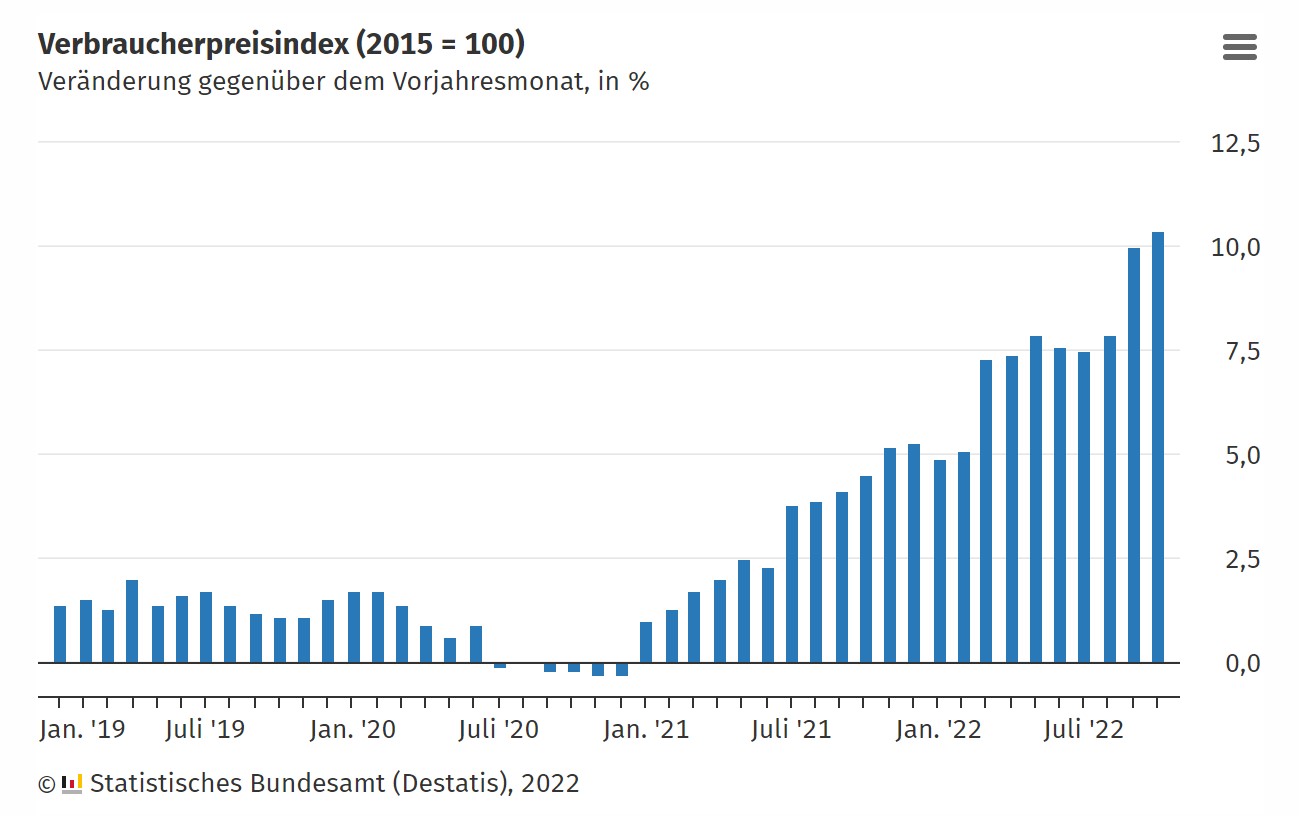
The issue of indexation is thus more significant than it has been for a long time.
In our FAQ, we address some of the key issues of index clauses in commercial and residential tenancy law and shed light on whether the currently very high inflation rates can give rise to a tenant’s claim for adjustment of the index clause against the background of the legal institution of disturbance of the business basis (Section 313 BGB).






Rocks and Hard Places: Noteworthy Developments in Climate Change Regulation for US Insurers
ARTICLE / CLIENT ALERT
Rocks and Hard Places: Noteworthy Developments in Climate Change Regulation for US Insurers
December 9, 2022
Read time: 13 min
This update highlights some of the most noteworthy climate change-related federal and state regulatory, judicial and other developments of the past few months, and offers insights that may help guide insurers in their journeys toward more effective environmental, social and governance (ESG) and climate disclosures—whether they are traveling quickly or slowly.
Introduction
This update highlights some of the most noteworthy climate change-related federal and state regulatory, judicial and other developments of the past few months, and offers insights that may help guide insurers in their journeys toward more effective environmental, social and governance (ESG) and climate disclosures—whether they are traveling quickly or slowly.
These developments include, at the US federal level:
- The US Security and Exchange Commission’s (SEC) extended—but not yet finalized—climate change disclosure rulemaking, which is directly applicable only to registered companies (only a few more than 100 of which, including intermediaries, are insurance enterprises).
- The US Department of Labor’s November 2022 proposed rule, which is still in a 60-day comment period, enables fiduciaries to take into account the potential benefits of investing in companies that include ESG considerations in their planning and operations or, presumably, avoiding or minimizing investments in companies that do not.
- The Federal Insurance Office’s (FIO) delayed climate change report and proposed homeowners’ insurance data call. (Note that, as of this writing, the data call proposal is also still in a 60-day comment period.)
- The collective proposal by the General Services Administration, the US Department of Defense and the National Aeronautics and Space Administration (NASA) “…to amend the Federal Acquisition Regulation (FAR) to implement a requirement to ensure certain Federal contractors disclose their greenhouse gas emissions and climate-related financial risk and set science-based targets to reduce their greenhouse gas emissions.” This proposed regulatory change is also in a 60-day comment period that ends on January 14, 2023.
- The Board of Governors of the Federal Reserve System’s December 2, 2022, release of “Principles for Climate-Related Financial Risk Management for Large Financial Institutions,” which followed similar high-level guidance issued during the past year by the Office of the Comptroller and the Federal Deposit Insurance Corporation (FDIC) and is applicable to banks with more than $100 billion in assets. The Federal Reserve’s proposal will also be subject to a 60-day public comment period.
Developments at the state level include:
- California’s “Sustainable Insurance Roadmap” announced last month, near the close of Conference of the Parties of the UNFCCC (COP 27), by Insurance Commissioner Ricardo Lara. The roadmap includes “four interlocking goals of reducing emissions, accelerating community mitigation, keeping insurance affordable and available for vulnerable communities, and closing protection gaps between insured and uninsured losses.”
- The announcement by Illinois that it will become the 16th state to require domestic insurers to submit annual climate disclosure surveys using the Task Force on Climate-Related Disclosures (TCFD) template or the National Association of Insurance Commissioners’ (NAIC) revised climate disclosure survey form.
- The October 2022 serving, by Texas Attorney General Ken Paxton and Missouri Attorney General Eric Schmitt, of detailed civil investigative demands on six major banks that are members of the Net-Zero Banking Alliance.
Developments in federal and state courts include the following:
- In mid-October 2022, New Jersey joined more than 20 state and local governments that are suing, in state courts, five of the largest players in the oil and gas industry. The coalition of governments are hoping to force the companies to help pay to repair an environment damaged by decades of burning fossil fuels supplied by major oil companies. Some of the earliest-filed suits in this campaign are now in discovery following years of jurisdictional wrangling.
- A major point of contention in the lawsuits noted just above is whether they should be heard in federal court or in state courts. The oil and gas industry has argued for years that such lawsuits belong in federal court. A number of federal appellate courts have disagreed but the Supreme Court of the United States may yet decide the issue in an upcoming case from the US Court of Appeals for the Tenth Circuit ( of Cnty. Comm’rs of Boulder Cnty. v. Suncor Energy (U.S.) Inc.).
- The Kentucky Bankers Association sued state Attorney General Daniel Cameron, seeking to scupper his investigation into the alleged climate change-influenced lending practices of several large banks.
- In early October 2022, attorneys general from 21 states essentially threatened to sue the federal Commodities Futures Trading Commission (CFTC) if the CFTC moved forward to promulgate climate change disclosure regulations. The group lists three grounds for a potential lawsuit: The “major questions” doctrine, First Amendment concerns arising from alleged “compelled speech,” and that any agency action on climate change disclosure regulations would be arbitrary and capricious.
For those who care about sound, balanced public policy with respect to insurers and climate change, the various financial risks it poses (and required financial disclosures of those risks) the past few months have been sobering. It seems that there is little common ground in the United States today. In the August 2022 update, we mentioned the widening “red” versus “blue” divide with respect to regulatory activity concerning climate change disclosure. The divide continues to widen, with—on the one hand—conservative critics on the right conflating climate change, ESG and “woke,” blue-state (read left wing) agendas that include “radical climate goals,” which these critics interpret as forming a “radical progressive worldview.” On the other hand, climate change activists continue to raise their voices (as will be described in more detail below).
Attorneys general in more than 20 red states have criticized (and continue to criticize) and investigate banks and fund managers that incorporate ESG factors into investment decisions or that curtail lending to enterprises perceived to be laggards in reducing greenhouse gas emissions. Announcing their disagreement, attorneys general in 17 states have pushed back on the Republican-led, red-state narrative in a strong letter supporting the SEC’s proposed climate change financial disclosure regulations.
Given these signals, we should expect state legislation in a number of red states during 2023 in an effort to put a stop to consideration of climate change or ESG factors by banks and fund managers. We also can expect legislation to “protect” state credit ratings from being affected by ESG or climate change considerations. Last week, for example, the new leaders of the Florida state legislature promised such an initiative in the coming year. Florida Speaker of the House Paul Renner promised legislation that would ensure that “fiscally irresponsible states like California [do not] receive a better credit rating than Florida simply because they embrace ESG’s political agenda.”
When the SEC finalizes and publishes its proposed climate change financial disclosure regulation, probably sometime early in 2023, it seems likely that multiple lawsuits will be filed to challenge the SEC’s statutory authority to mandate such disclosures. Some of these lawsuits are expected to assert that the agency’s decision to mandate such disclosures is a “major question” that requires “clear Congressional authorization” per the Supreme Court’s most recent decision on the major question doctrine in West Virginia et al. vs.Environmental Protection Agency, decided at the end of June 2022. If and when federal banking regulators seek to promulgate similar climate change financial disclosure requirements, we can presumably expect more such litigation. It remains unclear, however, whether the high-level climate change risk management “guidance” that federal bank regulators have already published or are in the process of finalizing are tantamount to agency regulations that can be challenged in court.
As noted above, climate change activists continue to criticize commercial entities perceived to be failing to quickly stop financing or insuring projects that are carbon intensive. Many such activists extol the climate change regulatory progress (real or imagined) made in non-US jurisdictions and congratulate financial sector regulators for progress with respect to climate change disclosure and related measures (which progress is often difficult to spot). Immediately following the conclusion of COP 27, the nonprofit organization Ceres sponsored a panel discussion featuring insurance regulators from various states—a panel discussion that was moved shortly before presentation from the aegis of the NAIC to that of the California Department of Insurance—essentially claiming and applauding climate change regulatory progress made by insurance regulators.
Despite these claims, and as we noted in our August 2022 update and would continue to note, it remains difficult to spot substantive progress by the NAIC. To be fair, earlier in 2022, the NAIC’s Executive Committee adopted a revised climate change disclosure template—but again, the full NAIC did not confirm that decision. There has been one additional state—Illinois—that has decided to require its domestic insurers to complete and file either the NAIC’s climate change disclosure or the TCFD template next year, which brings the count up to 16 states with similar requirements. Next week, during the NAIC’s final national meeting of 2022, the organization’s Climate & Resiliency Task Force will convene. We will be listening closely to what regulators have to report.
In a letter dated November 22, 2022, the NAIC itself criticized the FIO for failing to consult with state regulators before proposing to issue a data call to larger homeowner insurers in 10 catastrophe-exposed states. The data call would ask insurers to provide five years of policy counts, premiums and paid losses, along with insured property values, policy deductible amounts and replacement cost data.
Why the data call? In the words of the FIO:
The proposed data collection will assist FIO’s assessment of climate-related exposures and their effects on insurance availability for policyholders, including whether climate change may create the potential for any major disruptions of private insurance coverage in regions of the country particularly vulnerable to climate change impacts. FIO will also seek to assess any related effects on insurance affordability for policyholders.
State regulators questioned whether the data that the FIO seeks will in fact provide any real insight into climate change impacts on insurers (or policyholders). Initial industry reaction to the proposed data call can be characterized as tepid at best. In any event, the proposal is still in a 60-day public comment period, ending on or about December 21, 2022.
Meanwhile, insurers, banks and fund managers are all occupying climate change and ESG hot seats of varying temperatures. Some banks and fund managers have already had to handle investigative demands from state attorneys general. Large banks will be required to address the high-level climate change risk management guidelines that have been proposed most recently by the Federal Reserve, the FDIC and the Office of the Comptroller of the Currency (OCC). State insurance regulators in 16 states will continue to require domestic insurers to file climate risk financial disclosures. Insurance groups headquartered in the European Union, United Kingdom, Bermuda and elsewhere will have embarked on their climate change risk management journeys well before now. For US insurers still on their climate change risk management journeys, however, we offer a few points to keep in mind.
First, and obviously, the climate change regulatory environment is not static, nor is it affected solely by the activities of state insurance regulators. Keep an eye on federal activity via the FIO—with little doubt, certain homeowners’ insurers may well have to deal with an FIO data call next year. Increases in climate change-related litigation—whether challenging federal agency regulations and guidance, implementing and resisting state AG investigations, or involving suits against oil and gas majors—seems inevitable in 2023.
Second, state legislative activity concerning climate change risk management in 2023 needs to be monitored. Will such activity affect banks and fund managers only, or will legislators include insurers in whatever measures are proposed and adopted?
Third, insurance regulatory activity by the NAIC during 2023 seems likely to be limited. It will continue to be difficult for the institution to speak with one voice as to a variety of regulatory considerations, given the red versus blue political tensions. However, activity with respect to increasing awareness and better modeling of physical risks posed by increasingly intense weather events may be an area that even regulators from catastrophe-exposed red states—such as Florida and Texas—and industry can work on together.
Fourth, climate change financial risk disclosures will continue to be required for many insurers domiciled in the 16 states that have adopted such requirements. Whether additional states will follow suit remains uncertain. More comprehensive climate change regulatory activity will probably be limited to states, including New York and Connecticut, that have developed or will develop more detailed regulatory frameworks, including expectations with respect to governance and climate change modules within periodic financial examinations.
Fifth, beware of states such as California that historically have viewed insurers as key players on the investment side of climate change regulatory policy. Compared to the largest fund managers and the funds management industry in the aggregate, insurers have some ability to finance the damage repair from weather events but possess only limited resources to invest in adaptation efforts (whether in infrastructure upgrades or in decarbonizing agriculture, homes and commercial properties and transportation) that will cost many trillions of dollars in the United States alone over the next several decades. Insurers cannot close protection gaps for various perils that have persisted throughout the country, at least not absent state (or federal) efforts to require insurers to provide coverage at artificially low rates. Even if regulators somehow managed to succeed in forcing insurers to provide coverage at artificially low rates (e.g., by allowing premium tax offsets), one can question whether US consumers—most of whom are living paycheck to paycheck as it is—would be able to afford to purchase the protection.
Sixth, insurers should continue to carefully review public statements about commitments to reduce greenhouse gas emissions, announcements about how “green” their investment portfolios are or will become, or public statements concerning risk appetites for insuring companies or projects involving extraction, processing, shipment or storage of coal, oil and gas. Such analyses should bear in mind policy backtracking by many governments in the United States and elsewhere with respect to continuing use of fossil fuels. Discretion may be the better part of valor until there is more general agreement as to which metrics should be utilized to analyze investment portfolios. All parties should recognize the impacts that geopolitical events such as the Russian-Ukraine conflict will have on fossil fuel demand and the knock-on effects on reducing greenhouse gas emissions. We have decades to go before we exist in a world powered by non-polluting energy sources.
Now that COP 27 and the midterm elections have concluded (including the runoff in the US senator race in Georgia), we have two fewer variables to consider. But there are still many uncertainties with respect to climate change regulatory efforts, not the least of which, at least for climate financial risk disclosure purposes, have to do with data and metrics. Even the recent TCFD report on progress to date, admits that there are issues:
For instance, there still is no consensus concerning the standards and metrics companies should use for measuring Scope 1, 2 or 3 greenhouse gas emissions; multi-national companies confront different materiality standards in the U.S. and Europe, with the latter having adopted the concept of “double materiality” whereby an issuer’s external impact is deemed material even if not impactful on the issuer itself; it is often difficult to obtain information necessary to make accurate disclosure, especially if the information has to come from third parties; and more generally climate change is a dynamic situation and companies risk having to deviate from prior good faith disclosure of plans or correct past disclosure of historical information such as GhG emissions in light of real-time developments or improvements in GhG measurement.
In other words, to be continued…



HPE Europe 2022 | Key Takeaways
ARTICLE
HPE Europe 2022 | Key Takeaways
Fall 2022
Read time: 2 min
We were thrilled to bring back our signature healthcare private equity event. We were joined by investors including key players from the private equity community, healthcare companies and operators, advisers and health industry experts.
This unique combination allowed us to share the insights and strategies shaping the future of healthcare and healthcare investing and to discuss the latest and most important trends in HPE.
We have drawn together some key takeaways from the event, drawn from each of our panels including;
- Key Trends & Opportunities in Life Sciences and Healthcare Investing
- Drive for Digital Health & MedTech
- Pharma Services – The Spending Spree Continues
- Spotlight on Women’s Health & Fertility
- Financing Trends and Maximizing Stakeholder Value
- US Markets – Optimizing Stateside Opportunities









Healthcare Regulatory Check-up | November 2022
ARTICLE / REPORT
Healthcare Regulatory Check-up | November 2022
December 2022
Read time: 2 min
This issue of McDermott’s Healthcare Regulatory Check-Up highlights significant regulatory activity between October 21 and November 18, 2022, including recent enforcement activity, new litigation associated with the Office of Inspector General (OIG) Advisory Opinion No. 22-19, and a series of final Medicare payment rules from the Centers for Medicare & Medicaid Services (CMS).





HHS Goes Back to the Drawing Board on the 340B ADR Process
ARTICLE / CLIENT ALERT
HHS Goes Back to the Drawing Board on the 340B ADR Process
December 7, 2022
Read time: 10 min
Citing “policy and operational challenges” with the current 340B Administrative Dispute Resolution (ADR) Process, the US Department of Health and Human Services (HHS) has issued a new Proposed Rule to modify the current ADR Process. The Proposed Rule would materially simplify and speed up the ADR Process, but leaves open questions as to the specific nature and scope of disputes that can be brought to the ADR Panel for review. Further, like the current ADR Process, the proposed process will likely only serve as the starting point of a formal litigation process to resolve disputes between 340B Covered Entities and drug manufacturers. The Proposed Rule is available here. Our prior analysis of the rule implementing the current ADR Process is available here.
STAY CURRENT ON THE 340B LITIGATION THAT MAY IMPACT YOUR BUSINESS
McDermott+Consulting has launched a 340B Litigation Tracking Tool, a real-time resource following the 40+ state and federal 340B program legal challenges. No more searching online or sorting through your newsfeed for important case developments. This tracker, available 24/7 and regularly monitored by our team, delivers concise updates to help you make informed risk analyses on what’s next for your business in the evolving 340B landscape. Learn more here.
According to HHS statements in the preamble to the new Proposed Rule, the proposed ADR Process would differ from the current ADR Process in several key ways:
- Removal of the requirements to follow the Federal Rules of Evidence and Rules of Civil Procedure
- Limiting the ADR Panel members to 340B subject matter experts from the Office of Pharmacy Affairs
- Requiring all parties to engage in good-faith dispute resolution efforts before initiating the ADR process
- Limiting claims to disputes involving overcharges, duplicate discounts and diversion
- Establishing a reconsideration process for ADR Panel decisions.
In addition to these explicitly cited differences, other material differences include that the new Proposed Rule would remove the monetary threshold on claims before the ADR Panel, would suspend claims brought to the ADR Panel if the claim involves the same or similar issues pending in Federal court, and would no longer make the ADR Panel decisions precedential.
The new Proposed Rule responds to the primary challenge to the current ADR Process, which is that it was established in a manner that allegedly violates the Administrative Procedure Act. Specifically, both 340B Covered Entities and drug manufacturers have sued HHS claiming that the final rule establishing the ADR Process did not follow proper notice and comment rulemaking and was based on a proposed rule that HHS had previously withdrawn.
The Proposed Rule also appears to address certain other criticisms that have been raised about the current ADR process. Notably, the Proposed Rule explicitly provides that claims would be suspended if they involve the same or similar issues pending in federal court. This proposed change is almost certainly a response to the filing of ADR claims by 340B Covered Entities alleging drug manufacturer overcharges stemming from restrictions placed on 340B purchasing for drugs dispensed through contract pharmacies, while the drug manufacturers have argued in federal court that those restrictions are legal. Although the ADR Panel initially accepted these disputes for review and the parties spent more than a year working through the ADR process, the claims were recently dismissed due to the ongoing litigation. Under the Proposed Rule, these claims would have been suspended upon filing for the duration of the litigation.
The Proposed Rule also appears to address concerns about the scope of claims that can be brought by drug manufacturers to the ADR Panels. The statutory scope of the ADR claims is limited to overcharge claims brought by Covered Entities against drug manufacturers and duplicate discount and diversion claims brought by drug manufacturers against Covered Entities. The ADR Process provides that drug manufacturer restrictions on the purchase of drugs at the 340B price could be filed as overcharge claims, which is not contemplated in the text of the 340B statute.
The current ADR Process also allows drug manufacturers to claim that a specific 340B Covered Entity is not eligible to participate in the 340B Program. The Proposed Rule would remove this language to simply state that the ADR Process could be used for claims of overcharging, drug diversion and duplicate discounts, without specifying the specific types of claims that Covered Entities and drug manufacturers may respectively bring.
While it is not entirely clear from the preamble text whether these changes are intended to indicate that restrictions imposed by drug manufacturers on 340B purchasing and Covered Entity eligibility are no longer within the scope of the ADR process, the preamble text indicates that HHS believes that the Proposed Rule reduces the scope of claims that can be brought to the ADR Process from the types of claims currently permitted.
Another concern that the Proposed Rule appears to attempt to address is the concern that the ADR Panel decisions would be used as a means to “back-door” rulemaking. The 340B Statute has been interpreted to prohibit HHS from using notice and comment rulemaking to establish requirements for participation in the 340B Program. Under the current rule, the ADR Panel decisions are precedential. In theory, even though the decisions of the ADR Panel are binding only on the parties to the dispute, this means that the interpretation of 340B Program requirements resulting in the decision would effectively become rules governing all participants in the 340B Program.
Because the ADR Panels have not issued any final decisions, this theory has never played out in practice. The new Proposed Rule would remove the reference to making the decisions of the ADR Panels precedential, but it would remain a possibility that the decisions would nevertheless be relied upon in future disputes and be treated by drug manufacturers and Covered Entities as program requirements. As noted below, however, the change in the composition of the ADR Panel membership and delegation of any administrative review decisions to the Health Resources & Services Administration (HRSA) Administrator suggests that the ADR Panel decisions will hone closely to existing 340B Program guidance.
Many of the changes to the Proposed Rule would remove the structure and formality of the current process, making the ADR Process more accessible to Covered Entities and placing the entirety of the ADR Process and decision-making within the purview of HRSA. The removal of the use of the Federal Rules of Evidence and Civil Procedure would mean that the process could be navigated without requiring use of legal counsel. This change, coupled with the removal of the damages threshold, would mean that more Covered Entities are likely to file claims with the ADR Panel. These changes would be less likely to increase the volume of drug manufacturer claims, particularly because the 340B Statute requires drug manufacturers to conduct audits of Covered Entities before bringing a claim to the ADR Panel and the cost of such audits (which must be borne by the drug manufacturer) is only warranted when the expected damages are large enough to justify the audit cost.
The change in the ADR Panel composition—from requiring representatives from HRSA, the Centers for Medicare & Medicaid Services (CMS) and the HHS Office of General Counsel (OGC), to requiring that all ADR Panel members be 340B subject matter experts from within the Office of Pharmacy Affairs (OPA)—also suggests that the decisions of the ADR Panels would closely follow existing 340B Program guidance. Under the prior structure, either the CMS or the OGC representative could have determined the outcome of the ADR Panel decision in a manner that would not necessarily have followed prior 340B Program guidance.
The Proposed Rule would add an administrative appeals process that is not present in the current rule. The Proposed Rule would allow for either party to an ADR Panel to request a reconsideration of the decision by the HRSA Administrator (or their designee), as well as the option for the HRSA Administrator to initiate such a reconsideration review without a request from either party. Although the Proposed Rule includes a provision that would allow the HRSA Administrator to consult with HHS staff, as needed, during the reconsideration process, much like the change to make the ADR Panel comprised of entirely OPA staff, the proposed reconsideration process appears to retain HRSA control over the outcome of the decisions. This suggests that there would be limited opportunity for deviation from existing OPA policies in the decision process. If subject to reconsideration review, the decision of the HRSA Administrator would be the final agency action, which could then be appealed in federal court.
Consistent with the 340B Statute, the Proposed Rule would not modify certain concerns expressed by drug manufacturers that derive directly from the 340B Statute. The 340B Statute requires that drug manufacturers conduct audits of Covered Entities prior to bringing a claim to the ADR Panel. There is no statutory prior-audit requirement imposed on Covered Entity claims against drug manufacturers under the statute. In addition, the 340B Statute allows for associations and organizations representing Covered Entities to bring claims on behalf of multiple Covered Entities against a single drug manufacturer, but provides no similar option for associations or organizations of drug manufacturers. Despite statements from drug manufacturers in response to the current rule that these provisions create an inequitable structure for drug manufacturers under the ADR Process, the Proposed Rule follows the 340B statutory provisions.
SUMMARY
We have provided a chart below comparing the current ADR Process and the process under the Proposed Rule.
| Issue | Current ADR Process | Proposed ADR Process |
|---|---|---|
| Panel Member Agencies |
|
|
| Jurisdiction Subject |
|
|
| Jurisdiction Amount |
|
|
| Prior Resolution Efforts |
|
|
| Joint or Consolidated Claims |
|
|
| ADR Proceedings |
|
|
| Appeals |
|
|
| Final Decision |
|
|
The deadline for submitting comments in response to the new Proposed Rule is January 30, 2023.

Hurdle Shares as an Instrument for Management and Employee Participation
ARTICLE / CLIENT ALERT
Hurdle Shares as an Instrument for Management and Employee Participation
December 7, 2022
Read time: 2 min
Management and employee shareholdings are intended to convey an economic participation in the success of the company. They create interest alignment with the shareholders and are therefore an effective instrument for motivating and retaining employees. In addition, they offer an attractive argument when recruiting employees in the competition for the best talent. The participation models are usually aimed at real or synthetic participation in the equity of the company and, depending on their design, can also convey participation under company law.



Washington State’s Pay Transparency Law Takes Effect January 1, 2023
ARTICLE / CLIENT ALERT
Washington State’s Pay Transparency Law Takes Effect January 1, 2023
December 6, 2022
Read time: 8 min
Effective January 1, 2023, Washington employers must comply with SB 5761, commonly known as Washington’s Pay Transparency Law, signed by Governor Jay Inslee on March 30, 2022. SB 5761 amends Washington’s Equal Pay and Opportunity Act (RCW 49.58) to require employers with 15 or more employees to include in each job posting the wage scale or salary range of the job and a general description of all of the benefits offered and to identify other compensation offered. The law also requires employers to provide existing employees who are promoted or offered a new position with the wage scale or salary range of the new position.
Washington’s Equal Pay and Opportunity Act currently only requires employers to provide applicants with the minimum wage or salary for the position they seek and only upon the applicant’s request after the employer makes the job offer.
WHAT IS THE PAY TRANSPARENCY LAW?
Effective January 1, 2023, employers must disclose in each posting for each job opening the wage scale or salary range and a general description of all benefits and other compensation to offered to the hired applicant.
Job postings mean “any solicitation included to recruit job applicants for a specific available position,” and electronic or hard-copy records that describe the desired qualifications, whether the employer solicits applicants directly or indirectly through a third party.
Washington’s Department of Labor and Industries (DLI) has published a draft administrative policy that provides employers with guidance on compliance.
WHICH EMPLOYERS ARE COVERED?
The law applies to employers with 15 or more employees.
DLI’s guidance clarifies that the law applies to all employers with 15 or more employees, engaging in any business, industry, profession or activity in Washington. The 15-employee threshold for covered employers “includes employers that do not have a physical presence in Washington, if the employer has one or more Washington-based employees.” This law applies to employers even if they do not have a physical presence in Washington but engage in business in Washington or recruit for jobs that could be filled by a Washington-based employee.
WHAT MUST EMPLOYERS INCLUDE IN THE POSTING?
Employers must disclose in each posting for each job opening:
- The opening wage scale or salary range
- A general description of all benefits and other compensation offered.
Per the DLI’s guidance, employers must make these disclosures in postings for remote work that could be performed by a Washington-based employee. Employers cannot avoid these disclosure requirements by stating in the posting that it will not accept Washington applicants.
Wage Scale or Salary Range
The DLI’s guidance identifies examples of information that should be included in a posting.
A wage scale or salary range should provide the applicant with the employer’s most reasonable and genuinely expected range of compensation for the job, extending from the lowest to the highest pay established by the employer prior to publishing the job posting. If the employer does not have an existing wage scale or salary range for a position, the scale or range should be created prior to publishing the job posting. For example, the scale or range’s minimum and maximum should be clear without open-ended phrases such as “$60,000/per year and up” (with no top of the range), or “up to $29.00/hour” (with no bottom of the scale).
Employers should update the posting to reflect any changes to the wage scale or salary range. If the employer offers a different position than what the applicant applied for, the employer may offer the applicant the wage scale or salary range specific to the position offered, rather than the position in the posting.
If an employer intends to implement a “starting range” or “starting rate” for an initial timeframe of employment or probationary period, the starting range or rate may be listed on the posting, but the entire scale or range must also be listed on the posting.
If an employer publishes a job posting for a job opening that can be filled with varying job titles, depending on experience, the employer should specify all potential wage scales or salary ranges that apply. The job posting should clearly define the lowest to highest pay established for each potential job position, as indicated in the example below:
- Accounting Analyst 1: $27.00 – $29.00 per hour
- Accounting Analyst 2: $65,000 – $75,000 per year
- Accounting Analyst 3: $80,000 – $95,000 per year.
If an employer posts a job that is compensated by commission rates, the employer should include the rate or rate range (percentage or otherwise) that it would offer to the hired applicant, as indicated in the example below:
- Commission-based salesperson: 5–8% of net sale price per unit.
General Description of All Benefits
A general description of all benefits includes, but is not limited to, healthcare benefits, retirement benefits, any benefits permitting paid days off (including more-generous paid sick leave accruals, parental leave, and paid time off or vacation benefits), and any other benefits that must be reported for federal tax purposes, such as fringe benefits.
If the general description of all benefits changes after an employer has published a posting and the posting remains published, the employer should update the posting.
If insurance or retirement plans are included as part of the position’s benefits package, employers should list the types of insurance and retirement plans in the job posting, such as medical insurance, vision insurance, 401k and employer-funded retirement plan. Similarly, if an employer offers paid vacation, paid holidays or paid sick leave benefits, employers should list in detail the amount of days or hours offered for each benefit.
The DLI’s example of a general description of all benefits is as follows:
- “Employees (and their families) are covered by medical, dental, vision, and basic life insurance. Employees are able to enroll in our company’s 401k plan, as well as a deferred compensation plan. Employees will also receive eight hours of vacation leave every month, as well as eight hours of Washington paid sick leave every month. Employees will also enjoy twelve paid holidays throughout the calendar year. Two weeks of paid parental leave will also be available for use after successful completion of one year of employment.”
General Description of Other Compensation
Other compensation includes, but is not limited to, any discretionary bonuses, stock options or other forms of compensation that would be offered to the hired applicant in addition to their established salary range or wage scale. Some forms of other compensation can include, but are not limited to, commissions, bonuses, profit-sharing, merit pay, stock options, travel allowance, relocation assistance and housing allowance.
Employers need only describe the other compensation and need not include the total monetary value of the other compensation in a job posting. However, employers who choose to include the total monetary value of other compensation in a job posting must also include the required general description of benefits and other compensation in addition to the wage scale or salary range.
The DLI’s example of a general description of other compensation is as follows:
- “Hired applicant will be able to purchase company stock, receive annual bonuses, and can participate in profit-sharing. Hired applicant will also receive an equity grant in the form of either a direct grant of stock that will be specified in the employment contract or an option to purchase stock in the future for a specified price.”
In electronic job postings, the posting must have the general description of the benefits and other compensation, but employers can use a link to provide a more detailed description of benefits and other compensation. However, “it is the employer’s responsibility to assure continuous compliance with functionality of links, up-to-date information, and information that applies to the specific job posting, regardless of any use of third-party administrators.”
WHAT ARE THE CONSEQUENCES OF NONCOMPLIANCE?
Where an employer is out of compliance with this law, applicants and employees will be able to file a complaint with the DLI or file a civil lawsuit against the employer in court.
If applicants or employees file a complaint with the DLI, the DLI may issue a citation and/or notice of assessment and order the employer to pay to the complainant actual damages, double statutory damages (or $5,000, whichever is greater), interest of 1% per month on compensation owed, payment to the department for the costs of investigation and enforcement, and other appropriate relief. The DLI may also order an employer to pay civil penalties in response to complaints, ranging from $500 for a first violation to $1,000 or 10% of damages (whichever is greater) for a repeat violation.
If applicants or employees file a civil lawsuit, remedies may include actual damages, double statutory damages (or $5,000, whichever is greater), interest of 1% per month on compensation owed, and reimbursement of attorneys’ fees and costs. Recovery of wages and interest will be calculated back four years from the last violation.
Please reach out to your McDermott lawyer if you have any questions.
Note: This alert was drafted based on Washington State’s Department of Labor & Industries’ Draft Administrative Policy, which may be superseded by a revised final version before January 1, 2023.