













INTERNATIONAL NEWS / REPORT
October 2021
Read time: 3 min

In a joint statement issued in June this year, the G7 nations pledged to support a “green revolution that creates jobs, cuts emissions and seeks to limit the rise in global temperatures to 1.5 degrees,” and committed to “net zero no later than 2050, halving our collective emissions over the two decades to 2030.”
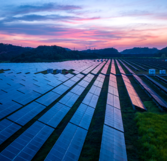
The renewable energy sector is at the front of this green revolution. The demands of the transition to net zero are causing unprecedented impacts on fields as diverse as competition law and employee unionization, are being granted major significance in once-in-a-generation national projects such as the $2.3 Trillion American Jobs Infrastructure Plan, or are the focus of multi-national collaborations such as the Association of Southeast Asian Nations power grid system.
Renewable energy is no longer considered a niche investment and there are myriad opportunities in new technologies or the repurposing of old technology, such as using green ammonia to transport hydrogen.
But the old ways aren’t dead yet, and our current reliance on oil means there is still a need for astute investment in this sector to make hydrocarbons cleaner and more efficient until net zero is achieved.