














ARTICLE
Latest tax updates: Trump Account investment rules, subpart F proration, and conservation easement enforcement
September 10, 2026
Read time: 7 min
During the last two weeks of August 2026, the Internal Revenue Service (IRS) and US Department of the Treasury issued guidance addressing eligible investments for Trump Accounts, fourth-quarter interest rates, the pro rata allocation of subpart F and global intangible low-taxed income (GILTI) for controlled foreign corporations (CFCs), and a reorientation of IRS enforcement priorities toward tax-exempt organizations and syndicated conservation easement cases. The US Court of Appeals for the Eleventh and Fifth Circuits also issued opinions addressing a conservation easement’s basis limitation and the Anti-Injunction Act’s bar on prepayment penalty litigation while the US Tax Court examined the IRS’s verification obligations in a collection due process dispute.
August 20, 2026: The Treasury and the IRS issued proposed regulations on eligible investments for Trump Accounts, the tax-advantaged savings accounts for children created under Working Families Tax Cuts. The proposed rules limit the account’s investment menu during the growth period (from the time the account is established through December 31 of the year the beneficiary turns 17) to low-cost mutual funds or exchange-traded funds tracking a primarily US-company equity index, prohibit the use of leverage, and cap annual fees and expenses at 0.1% of the invested balance. Funds not affirmatively directed by the beneficiary default to a trustee-selected eligible investment. The rules would generally apply to tax years beginning on or after January 1, 2026, and the Treasury and the IRS requested additional comments by October 20, 2026.
August 21, 2026: The IRS issued Revenue Ruling 2026-15, announcing that interest rates will remain unchanged for the calendar quarter beginning October 1, 2026. The overpayment and underpayment rate for individuals stays at 7%, compounded daily; the corporate overpayment rate remains 6% (4.5% on the portion of a corporate overpayment exceeding $10,000); and the rate for large corporate underpayments holds at 9%.
August 26, 2026: The Treasury and the IRS released proposed regulations under §§ 951 and 951A implementing changes the One Big Beautiful Bill Act made to how US shareholders calculate a CFC’s pro rata share of subpart F income and tested income or loss for GILTI purposes. The proposed rules eliminate the prior “last day” rule and replace it with a daily proration approach, require a CFC’s tax year to close on certain CFC-status change events, and permit an elective closing when unrelated parties cause an ownership shift of more than 50 percentage points. Comments are due 60 days after publication in the Federal Register, and the Treasury has targeted finalization for January 4, 2027.
August 26, 2026: The IRS’s chief tax compliance officer and chief of criminal investigation outlined a substantial reorientation of the agency’s enforcement priorities, describing it as the first update to the IRS’s compliance strategy since 2017. The new approach leans on automation and analytics and directs increased scrutiny toward abuse and illegal activity involving tax-exempt organizations, including efforts to prevent domestic and foreign terrorism financing from moving through exempt entities. A revised Form 990 intended to improve transparency around government contracts, grants, and fiscal sponsorship arrangements is expected to be ready for the next tax year.
The IRS is also easing certain compliance burdens. It established a dedicated office, led by a former Trump administration adviser, to resolve the roughly 1,000 pending syndicated conservation easement cases individually rather than through the blanket settlement offer extended earlier this year. The agency also plans to reduce penalties and shorten the timeline under its criminal voluntary disclosure program within the next two months. Separately, the IRS reported that roughly 50,000 taxpayers have filed protective refund claims tied to the government’s pending appeal in Kwong v. United States.
The IRS also released its weekly list of written determinations (e.g., Private Letter Rulings, Technical Advice Memorandums, and Chief Counsel Advice).
Recent court decisions
August 12, 2026: K Alain, L.L.L.P. v. Commissioner, No. 24-60240 (5th Cir.). On rehearing, the Fifth Circuit withdrew its taxpayer-favorable January 2026 opinion in this case (then captioned Sirius Solutions, L.L.L.P. v. Commissioner) and substituted a new decision that narrows – but does not eliminate – the limited partner exception to self-employment tax under § 1402(a)(13). The panel’s original opinion defined a “limited partner, as such” simply as any partner in a state-law limited partnership with limited liability. The substitute opinion instead holds that the phrase’s original public meaning, as of the statute’s 1977 enactment, is a partner who plays no significant role in managing or running the business, reaching that conclusion through contemporaneous legal dictionaries, the 1916 and 1976 Uniform Limited Partnership Acts, period treatises, a 1959 First Circuit decision, and the IRS’s own decades-old partnership return instructions. On that basis, the Fifth Circuit still vacated and remanded the Tax Court’s decision.
Judge James E. Graves, Jr. dissented, as he had from the original opinion, arguing that the Tax Court’s functional, passive-investor analysis is the correct reading of “limited partner, as such,” that it is consistent with a long line of Tax Court and circuit authority, and that the majority’s new standard is untethered from the statutory text and will let substantial self-employment earnings escape taxation. The decision leaves unresolved how much managerial involvement is too much (an issue left for the Tax Court on remand) and arrives while the same question is separately pending before the First and Second Circuits in companion cases involving Denham Capital Management and Soroban Capital Partners LP, raising the prospect of a circuit split and eventual Supreme Court of the United States review.
August 20, 2026: Mill Road 36 Henry, LLC v. Commissioner, No. 24-11334 (11th Cir.). In an unpublished per curiam opinion, the Eleventh Circuit affirmed the Tax Court’s decision limiting a partnership’s charitable contribution deduction for a Georgia conservation easement to its $416,563 cost basis, even though the Tax Court had independently valued the easement at $900,000 (far below the $8.9 million the partnership had claimed). The basis limitation applied under § 170(e)(1)(A) because the underlying land had been inventory held for sale in the ordinary course of business by the partners who contributed it rather than a capital asset. The Eleventh Circuit also affirmed the accompanying 40% gross valuation misstatement penalty.
August 20, 2026: Laborde v. Commissioner, T.C. Memo. 2026-74. The Tax Court sustained a Notice of Federal Tax Lien filing but remanded two Notice of Levy determinations to the IRS Independent Office of Appeals (IRS Appeals) in a collection due process case arising from trust fund recovery penalties assessed against the owner of a New Orleans glass and mirror business. The taxpayer, who had used three different mailing addresses over the years at issue, did not dispute the underlying liability but argued that the Notices of Intent to Levy had not been mailed to his last known address. The Court agreed that the IRS Appeals officer’s verification under § 6330(c)(1) was conclusory and failed to explain how the agency determined the notices were properly addressed and held that such verification cannot be skipped even where the underlying liability is not in serious dispute.
August 21, 2026: Norcave Properties, LLC v. IRS, No. 25-30542 (5th Cir.). The Fifth Circuit affirmed the dismissal, for lack of subject matter jurisdiction, of a partnership’s suit seeking a pre-payment jury trial on civil fraud and accuracy-related penalties the IRS proposed after disallowing a Louisiana conservation easement deduction. The partnership had asked a federal district court for injunctive and declaratory relief, arguing that a jury needed to decide the penalties before they could be assessed, while separately filing a protective petition in the Tax Court. The Fifth Circuit held that § 6665 treats these penalties as “tax” for purposes of the Anti-Injunction Act and the Declaratory Judgment Act, so both statutes barred the pre-payment suit regardless of the underlying constitutional argument, leaving the Tax Court – where the partnership had already filed a parallel petition – as the available forum.







Trending in Telehealth: July 2026
ARTICLE
Trending in Telehealth: July 2026 recap
Sep 8, 2026
Read time: 4 min
Trending in Telehealth highlights monthly state legislative and regulatory developments that impact the healthcare providers, telehealth and digital health companies, pharmacists, and technology companies that deliver and facilitate the delivery of virtual care.
Trending in July:
- Telehealth reimbursement and payment parity
- Remote patient monitoring and maternal health coverage
- Telemedicine prescribing of controlled substances
- Telehealth practice standards and clinical supervision
A closer look
Proposed and finalized legislation and rulemaking
- Tennessee’s Board of Professional Counselors, Marital and Family Therapists, and Clinical Pastoral Therapists proposed Rule 13397. If adopted, it would permit 100% of supervision hours to be conducted via telehealth, define direct client contact to include face-to-face live or telehealth clinical activity, and require that a qualifying clinical setting have at least one licensed mental health professional who is available to the applicant for consultation and engaged in counseling, whether face-to-face or via telehealth, for a cumulative minimum of 20 hours per week.
- Alaska HB 14 became law in July. The statute requires healthcare insurers to reimburse providers for healthcare services, including behavioral health services, provided through telehealth on the same basis and at least at the same rate as comparable healthcare services provided in person. The bill allows insurers to implement a geographic pay differential to reimburse out-of-state providers.
- In Washington, DC, Bill 26-0356, the Prenatal and Postpartum Remote Patient Monitoring Clarification Amendment Act of 2025, became law in July. The law amends the Telehealth Reimbursement Act of 2013 to include coverage and reimbursement for remote monitoring of blood pressure and blood glucose levels during pregnancy and up to 12 months postpartum. The bill was passed subject to appropriations, so its coverage requirements will not take effect until it is funded in the district’s budget and financial plan.
- New Jersey enacted AB 4852 to amend NJSA 45:1-62, allowing Schedule II controlled substances to be prescribed via telemedicine without an in-person examination for certain patient populations, including patients in active cancer treatment, hospice or palliative care, long-term care facilities, medical cannabis-related evaluation or treatment, or substance use disorder treatment. For adult stimulant prescriptions, the bill requires an initial examination (with an in-person visit within 30 days if the initial examination is conducted remotely), in-person or telehealth follow-up contact every three months, and at least one in-person visit annually. All such telemedicine prescribing must use real-time, two-way audio-visual technology and must meet the same standard of care as in-person treatment.
- Missouri enacted HB 2372 to amend how a physician-patient relationship may be established through telemedicine. The law requires an in-person physical examination only where the standard of care demands one and permits a patient-completed internet or telephone questionnaire to serve as the basis for treatment if the questionnaire is reviewed by the treating healthcare professional and provides information sufficient to substitute for an in-person evaluation. A provider who uses such a questionnaire must be employed by or contracted with a business entity licensed to provide healthcare in Missouri and must send a written report of the evaluation to the patient’s primary care provider, if the patient identifies one, within 14 days.
Why it matters
- States are pairing telehealth flexibility with tighter guardrails. Lawmakers are relaxing in-person examination requirements for establishing provider-patient relationships and prescribing controlled substances, while adding targeted safeguards such as modality requirements, follow-up intervals, and periodic in-person visits.
- Payment parity and coverage continue to expand in scope. States are extending reimbursement parity to behavioral health services and adding coverage for new modalities such as remote patient monitoring, reflecting efforts to broaden access while maintaining cost oversight.
- Telehealth is being woven into licensure and training pathways. Regulators are beginning to recognize supervision hours and clinical contact conducted via telehealth toward licensure requirements, with significant implications for the behavioral health workforce.
Telehealth is an important development in care delivery, but the regulatory patchwork is complicated. The McDermott Will & Schulte digital health team works alongside the industry’s leading providers, payors, and technology innovators to help them enter new markets, break down barriers to delivering accessible care, and mitigate enforcement risk through proactive compliance.






Risk reduction, not paralysis: How to manage risk without killing innovation
ARTICLE
Risk reduction, not paralysis: How to manage risk without killing innovation
September 8, 2026
Read time: 12 min
Most AI compliance programs include a requirement to “minimize risks,” a critical goal. But unless your organization can clearly define acceptable residual risk, your compliance plan can quickly devolve from mitigating risk to eliminating risk – along with any benefits.
Trying to eliminate risk completely will bring any AI rollout, even ones that are operationally and morally sound, to a grinding halt. To help responsibly reduce risk and responsibly adopt AI, risk minimization needs guardrails, standards, and tools.
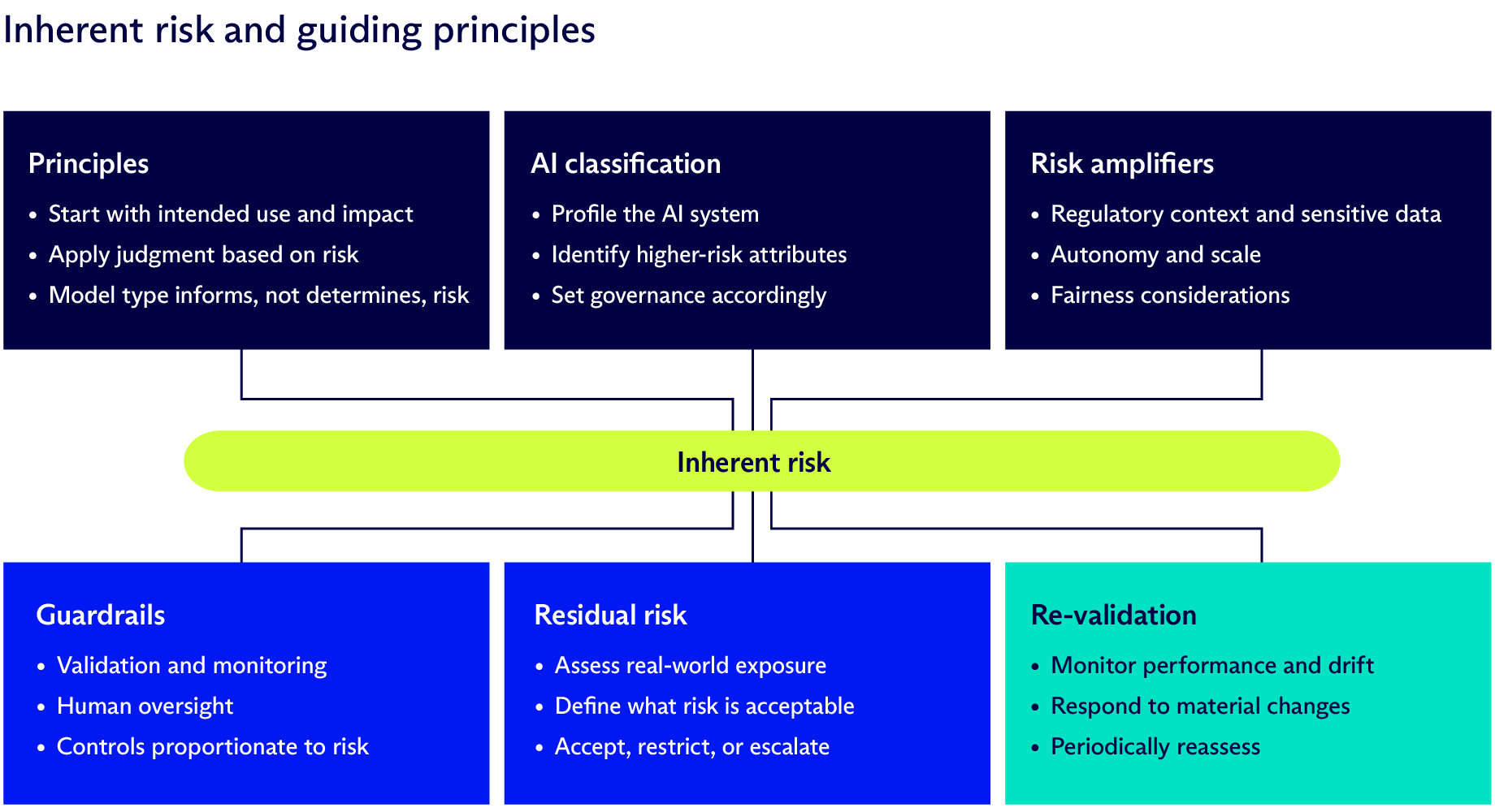
To get started, your company can take these steps:
First, decide whether any risk at all is worth it for your institution. There is tremendous pressure to adopt AI for the sake of adopting AI. But adoption motivated by the fear of not having a splashy AI announcement will not generate results, improve outcomes, or otherwise deliver on AI’s promise. Fear of being left behind can lead to the wrong incentives to pilot and adopt AI tools. This creates risks of its own: overburdened procurement teams, rushed contracting, “death by pilot” (reducing the effectiveness of every pilot and exhausting the IT team), rushed trainings that lead to human error, and insufficient security safeguards because teams are told to “get it done,” to name just a few.
Once you decide that AI adoption really will generate results and improve outcomes, you can create an adoption cadence that is informed, calibrated to actual need, and scalable.
Second, flip the script. Instead of thinking about reducing risks, come at the question from the other perspective – accept that risks will remain, and articulate what level of risk is acceptable for your organization.
This is not unprecedented in healthcare. For example, human subjects research involves experimentation, and it would be nearly impossible to conduct research if risks had to be eliminated. Ethical boards that oversee risk begin with the assumption that ongoing risk is expected and accepted. The acceptable level of risk is established by the alternatives and the extent of the benefit, among other things.
In the AI context
You might determine that risk is acceptable when AI poses less risk than an alternative technology, or than a human handling the task. Taking on additional risk with AI might also be justified if it’s critical to a business function. You should also clarify which party most appropriately bears the risk (the entity developing the technology, the entity procuring the technology, etc.), and this may also inform acceptable residual risk.
Third, consider two categories of risk: How likely is it that AI will not perform as expected? And what is the impact of this vulnerability, malfunction, or other unexpected result?
At some point, there will be diminishing returns from risk reduction. In healthcare, this is apparent in the way that entities regulated by HIPAA conduct their required risk analyses. Sometimes, if a risk is likely to occur but the impact would be minimal – and further reducing it would diminish functionality or increase costs – an assessor will determine that it’s not reasonable to require continued risk reduction.
In the AI context
Not all AI-related risk is scary. Like any tool, AI will not always perform properly, but some risks are immaterial. When you consider the worst that might happen, you may realize that you are simply worried about expectations of perfection, rather than real issues that cause business or personal harm.
Fourth, define risk categories up front and identify the factors that raise or lower risk, creating a clear decision-making matrix. Assessing every new technology from scratch will exhaust your compliance team and produce inconsistent results.
Again, the research context provides a useful model. In human subjects research, there is a category deemed “minimal risk.” The criteria for minimal risk (not no risk) are set out in advance (in some cases by regulation) in clear and straightforward standards. Those studies receive a streamlined review, freeing reviewers to focus on more complex cases. Over time, ethical review boards have identified factors that tend to increase risk (e.g., enrolling vulnerable populations such as prisoners, children, or pregnant women) or reduce it (e.g., testing a drug with extensive clinical data for a new indication). These factors guide deliberations.
In the AI context
Building on an internal inventory of AI tools, your institution can identify the technologies, use cases, and factors that present only minimal risk – and treat those as a standard category. Your compliance team can also create a tailored toolkit that identifies the relevant risk levers and documents whether each one is present in particular cases.
Finally, take a multi-layered approach, combining technical mitigation, human resources, and follow-through strategies. In higher-risk situations, this can be especially effective.
Technical risk mitigation leans on a model’s built-in guardrails (such as escalation triggers to warn of potential user harm) and AI “judges” – essentially AI managers overseeing the work of the model.
Human resources involves investing in and supporting the humans who will oversee the tool in its various uses. Merely having a human “in the loop” checking the box or passively observing isn’t enough. People must actively monitor the tool, treat it as a tool rather than an operative decision-maker, and feel empowered to verify or overrule it. People should be accountable for how the tool is used (scaled for the tool’s role) and should receive the training, AI literacy, and workflow support to use the tool safely.
Follow-through means actively monitoring the tool post deployment, conducting audits and double checks, and monitoring for known hazards such as hallucinations, degradation, and drift. In certain cases, working with an independent third party to evaluate your risk reduction strategy can confirm that your approach is commercially reasonable or identify additional risk mitigation tactics. You do not need to do this alone.
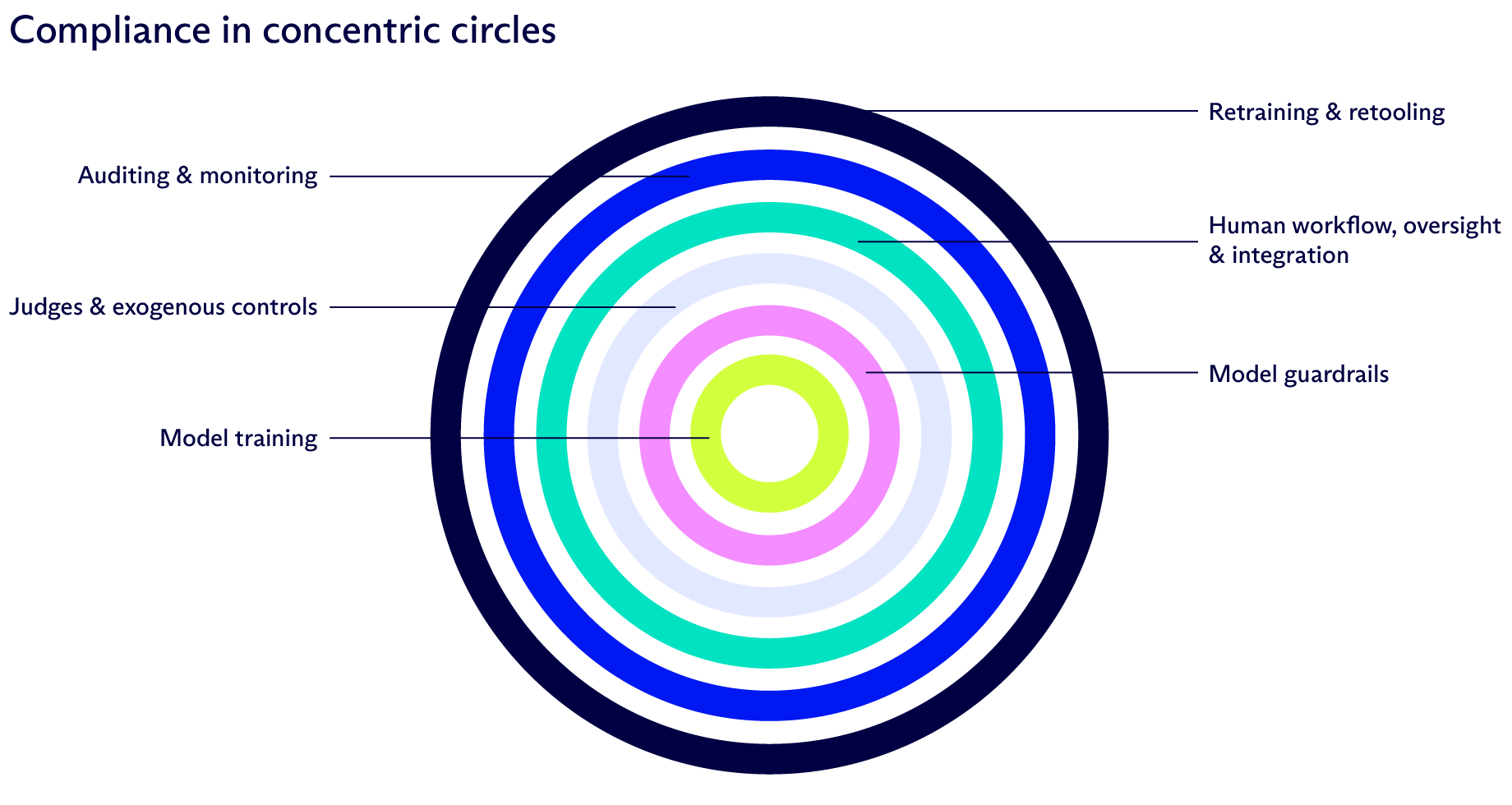
AI has tremendous promise. Under the right circumstances, its benefits can justify an appropriate level of residual risk. To get there, your institution should adopt AI for the right reasons, align on an acceptable risk tolerance, articulate the actual risks and their associated impact, identify factors that raise or lower those risks, and then adopt a multi-prong mitigation model from pre-deployment to post-deployment monitoring.
As with any compliance exercise, muscle memory builds over time. Investing in checklists, risk stratification, documentation tools, and look-back reviews will identify patterns that inform your institution’s risk approach, maximize consistency, and identify opportunities for course correction.


5 things healthcare investors and operators should know about tech-enabled services
ARTICLE
5 things healthcare investors and operators should know about tech-enabled services
September 4, 2026
Read time: 15 min
Health tech adoption is outpacing the governance frameworks operators have built to manage it and the diligence playbooks investors rely on to price it. Tech-enabled services companies have become a magnet for capital, but there remains a gap between genuine enterprise value and well-marketed hype – and closing it requires disciplined judgment about how AI and other emerging technologies are actually deployed, not just whether they exist at an organization.
Here are five considerations that separate durable, profitable models from expensive missteps. Investors and operators should keep these in mind:
What’s happening
AI has moved from novelty to infrastructure across healthcare delivery, but standalone AI tools are no longer enough. Investors are shifting their attention – and their capital – toward platforms that embed AI directly into provider workflows: clinical documentation, revenue cycle management, scheduling, utilization management, patient engagement, and operational decision support. And providers want AI that increases productivity without compromising compliance, data privacy and security, or clinical oversight.
Why it matters for operators
A scattering of pilots is not a strategy. Operators need an enterprise-wide plan for AI deployment that includes clear governance frameworks, alignment with clinical and operational workflows, defined data ownership and oversight, and a way to prove the value AI is actually creating. Without that proof, AI initiatives stall at the pilot stage and never reach the balance sheet.
Why it matters for investors
AI functionality is becoming table stakes, not a differentiator. The real diligence questions: Is AI embedded into core business processes? Backed by proprietary data assets? Governed by mature compliance frameworks? Is it capable of producing sustained improvements in EBITDA, labor efficiency, revenue capture, and provider capacity? If not, it might be time to walk away. Just as important: confirm that the AI layer isn’t inadvertently adding regulatory or cybersecurity risk.
Where McDermott helps
We advise healthcare operators and investors across the full life cycle of tech-enabled services. Our capabilities include:
- AI governance
- Healthcare regulatory compliance
- Privacy and cybersecurity
- Data rights
- EHR integration
- Commercial contracting
- Reimbursement
- Diligence of AI-enabled provider platforms
- Implementation strategy
What’s happening
Buyers are moving away from point solutions and toward enterprise platforms that plug directly into EHRs and existing technology stacks. Vendors that can consolidate documentation, coding, scheduling, patient engagement, and operational intelligence into a single platform are capturing a disproportionate share of both provider attention and investor interest. That’s largely because it is cumbersome and costly for providers and health systems to manage a dozen vendor relationships to do what one platform could (and should).
Why it matters for operators
Fragmented point solutions are becoming harder to justify in costs and efficiency. Prioritize enterprise platforms that integrate with existing EHRs and operational systems, reduce vendor complexity, improve interoperability, and scale across the organization rather than requiring a new contract for every new use case.
Why it matters for investors
Platform consolidation favors interoperability, proprietary data, strong implementation capabilities, and long-term customer relationships, not just a broad feature list. In diligence, test platform stickiness, true integration costs (not just the sales pitch), and expansion opportunities across workflows. That’s what separates a durable market position from a good demo.
Where McDermott helps
We advise on the transactions, partnerships, and governance structures that define enterprise platform strategies:
- Technology transactions
- Strategic partnerships
- Interoperability
- Commercial contracting
- AI governance
- Antitrust
- Platform acquisitions
What’s happening
More AI-powered platforms mean increased risk and more investor scrutiny – especially for tools like AI scribes that capture voice, transcripts, and patient interactions in real time. The exposure here goes well beyond HIPAA. State privacy and recording laws, business associate and subcontractor controls, information blocking rules, cybersecurity resilience, and vendor data-use rights all come into play, often in ways that aren’t obvious until diligence is well underway.
Why it matters for operators
As your organization adopts generative AI, privacy, cybersecurity, and vendor governance need to mature in step with it. Define data ownership and permitted uses clearly, and implement consistent, enterprise-wide controls for AI-generated content before it proliferates across departments with no consistent standards.
Why it matters for investors
Data governance gaps delay deals, compress valuations, and increase post-close indemnity exposure. During diligence, probe vendor oversight structures, BAAs and subcontractor controls, incident response readiness, consent practices, retention rules, and vendor rights to use patient data for model training or analytics. What you find, or fail to find, should directly shape deal structure and pricing.
Where McDermott helps
We help investors unlock enterprise value while proactively managing HIPAA, state privacy, and platform-level risk exposure. We also help providers and sponsors evaluate AI vendor contracts, data rights, BAAs, privacy/cyber issues, transaction risk, and post-close remediation.
What’s happening
Investors still favor workflow-enabled provider services, but AI is quietly redefining what “workflow-enabled” means. Platforms that embed AI directly into clinical and operational workflows are winning: Automated documentation, coding, prior authorization, denials management, and revenue cycle operations have become baseline expectations rather than premium features. As these capabilities fold into broader platforms, isolated automation point tools are losing pricing power and differentiation fast.
Why it matters for operators
AI is changing not just the tools your organization uses, but how the work itself gets done. Embedding AI into scheduling, documentation, coding, prior authorization, and revenue cycle workflows drives real gains in productivity, workforce efficiency, throughput, and financial performance. Standalone tools bought piecemeal won’t get you there, and may leave you paying premium prices for commodity functionality.
Why it matters for investors
Businesses that use AI to do genuinely more with less will expand margins. Businesses that were simply charging for labor that AI can now automate will see those fees compressed. The diligence task is telling the two apart: Evaluate how deeply AI is integrated into workflows, implementation maturity, customer retention, and – most importantly – whether efficiency gains are actually showing up in the financials. Back the platforms connecting all the dots, not the ones assembling a checklist of AI features.
Where McDermott helps
We advise on the legal and structural complexities of AI-enabled provider services:
- Stark Law/Anti-Kickback Statute review
- Reimbursement diligence
- Licensure analysis
- Commercial contracting
- Post-close integration support
- MSO/PC structuring
- CPOM
- Provider alignment
- AI vendor contracting
- Data-use rights
- RCM arrangements
- Payor contracting
- Integration planning
What’s happening
AI-assisted documentation and coding can meaningfully improve productivity and revenue capture – but reimbursement still depends on accurate clinical documentation, physician oversight, audit readiness, and regulatory compliance. Automation doesn’t relax those requirements; if anything, it raises the stakes, since errors introduced by AI at scale multiply faster than errors introduced by individual clinicians.
Why it matters for operators
AI should strengthen clinical oversight, not substitute for it. Providers using AI documentation tools need to actively check outputs, hold coding accuracy to a high standard, and confirm that reimbursement practices remain audit-ready as automation expands – not assume the technology is self-correcting.
Why it matters for investors
Reimbursement is only as reliable as the documentation underneath it. In diligence, examine whether AI-supported documentation and coding practices are consistent, supervised, and auditable, and confirm that clear policies, training, and vendor controls are actually in place – particularly for PPMs and ASCs, where reimbursement risk tends to concentrate. A platform that has scaled coding volume without scaling oversight is a recipe for scrutiny and liability.
Where McDermott helps
We advise on the compliance, reimbursement, and contracting issues that come with AI-assisted documentation and coding:
- Value-based care structuring
- Coding and coverage diligence
- Reimbursement analysis
- Payor-provider contracting
- Audit defense
- CMS/regulatory compliance advisory support
We also support diligence on revenue quality, documentation workflows, AI-assisted coding and charge capture, medical necessity, payor audits, compliance maturity, and reimbursement risk.
The companies attracting capital are the ones embedding technology, including AI, across clinical and business processes as part of a coherent operating model – not the ones bolting on the flashiest feature. Human oversight remains essential to regulatory compliance, reimbursement integrity, and clinical judgment, and the platforms that treat oversight as an afterthought are the ones that eventually generate the compliance headlines nobody wants.
For operators, the next move is building a consolidated, tech-enabled, AI-powered operating model: Integrate AI into core clinical and administrative workflows; establish clear governance and accountability; and continuously measure adoption, productivity, quality, and financial performance. Done well, this makes an organization both more efficient and harder to displace.
For investors, the lesson is the same from a different angle: Deploying technology, including generative AI, is not a sustainable competitive advantage when taken alone – everyone can buy the same models. What matters is how deeply the technology and/or AI is embedded into enterprise operations, whether adoption is measurable rather than anecdotal, and whether a platform can keep compounding productivity gains over time. Proprietary data, implementation capability, and genuine customer integration are the signals that separate a lasting advantage from a feature that a competitor will replicate within a year.
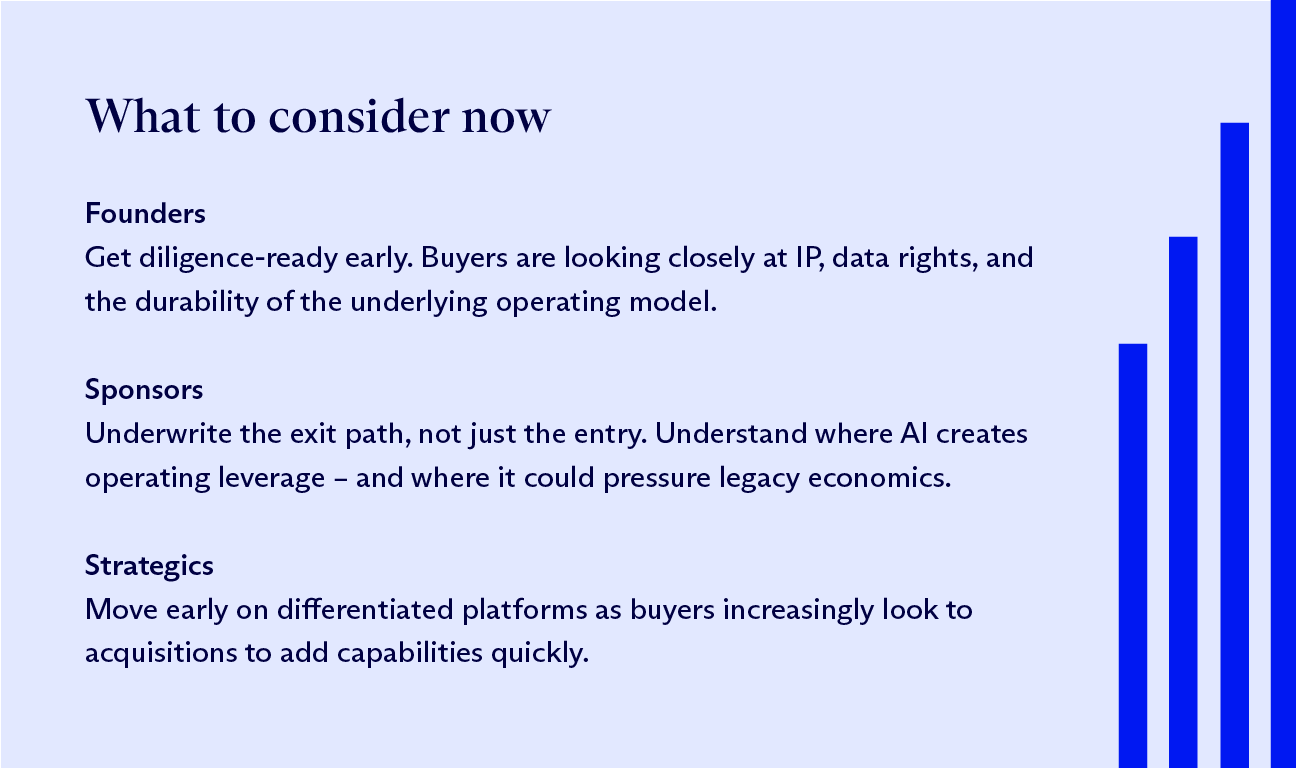
McDermott provides regulatory, transactional, and operational support across AI-enabled and tech-enabled services platforms, advising providers, sponsors, and strategic investors.






The new infrastructure premium: What the Copia Power sale signals for digital infrastructure investment
ARTICLE
The new infrastructure premium: What the Copia Power sale signals for digital infrastructure investment
August 26, 2026
Read time: 13 min
Take a close look at the largest digital infrastructure transactions of the past decade, and a clear pattern takes shape. Investors are no longer simply buying data centers; they are buying platforms. And Carlyle’s recent sale of Copia Power to EQT (which McDermott helped lead) provides a window into the future of digital infrastructure investment.
Power is becoming part of the digital infrastructure asset itself.
In power-constrained markets, generation, interconnection, and transmission positions can determine whether – and how quickly – digital capacity can actually be delivered.
Development capability can command a premium before stabilization.
Investors increasingly may value not only operating assets, but platforms capable of repeatedly converting scarce power, land, and interconnection positions into developable digital infrastructure.
The traditional boundary between energy and digital infrastructure is disappearing.
AI-driven load growth is bringing generation, grid infrastructure, data centers, and capital formation into a single investment ecosystem.
Control of scarce inputs creates strategic optionality.
Land, interconnection rights, transmission, access, permitting positions, and power supply can provide multiple pathways to monetization as digital demand evolves.
The next major M&A opportunity may be upstream of the data center.
As capital competes for AI infrastructure exposure, some of the most strategically valuable acquisition targets may be the businesses controlling the pipeline and infrastructure required to enable future data center development.
While the $2.6 billion Copia transaction does not rank among the largest digital infrastructure transactions by enterprise value, it may prove to be one of the most strategically significant. Unlike traditional data center acquisitions, which focus primarily on operating facilities and stabilized cash flows, Copia sits at the convergence of three of the most critical infrastructure considerations in today’s market: power generation, transmission access, and AI-driven digital infrastructure demand.
With its purchase, EQT recognized that access to power has become one of the most valuable assets in digital infrastructure. At the time of the transaction, Copia had assembled a differentiated platform encompassing more than 2.6 gigawatts (GW) of generation and storage assets in operation or construction, more than nine GW of grid-connected data center development opportunities, and a broader pipeline that includes more than 25 GW of solar and storage assets and seven GW of natural gas generation.
However, the transaction’s significance extends well beyond access to power. It reflects a fundamental shift in how investors are evaluating infrastructure opportunities and where they believe future value will be created.
Looking across the 10 largest digital infrastructure transactions completed over the last decade, a distinct pattern emerges.
The first generation of digital infrastructure investment focused on acquiring scaled platform operators with established customer relationships, recurring revenues, and proven operating histories. Of those 10 largest transactions over the last decade, CyrusOne, CoreSite, Interxion, DuPont Fabros, Global Switch, and AirTrunk fit squarely within this framework. These were outstanding businesses, and investors were rewarded accordingly.
A second generation of investing is now emerging.
Investors are paying premiums for businesses that control the critical inputs necessary to deliver future digital infrastructure. These platforms are valued not merely for current operating performance, but for their ability to solve the industry’s most pressing constraints. In that regard, Aligned Data Centers, QTS, Compass Data Centers, and Copia Power share a similar investment thesis, because all four platforms offer some combination of the below.

The market’s largest and most sophisticated investors are increasingly underwriting future infrastructure optionality rather than simply today’s cash flow.
What made the Copia transaction particularly compelling was that it was not simply an acquisition of operating assets.
Investors were evaluating a platform that combined operational generation assets, large-scale development opportunities, transmission and interconnection positions, data center development capacity, and a management team that had demonstrated the capability to execute an integrated infrastructure strategy.
Like many of the most significant infrastructure transactions occurring today, the value proposition for investors extended far beyond Copia’s current revenues.
A substantial portion of the digital infrastructure investment thesis was tied to future development rights, infrastructure optionality, permitting status, interconnection positions, transmission access, and the platform’s ability to accelerate the deployment of both power and digital infrastructure at scale.
That investment thesis reflects a broader trend across the market. Increasingly, investors are rewarding developers that can remove multiple infrastructure bottlenecks simultaneously.
Copia also highlights how much the market has evolved from a transactional perspective.
Historically, energy transactions and digital infrastructure transactions involved separate investors, separate advisors, and separate legal disciplines. That distinction is evaporating.
Transactions at the intersection of energy and digital infrastructure require investors to evaluate a broader set of considerations than many traditional infrastructure acquisitions, including:
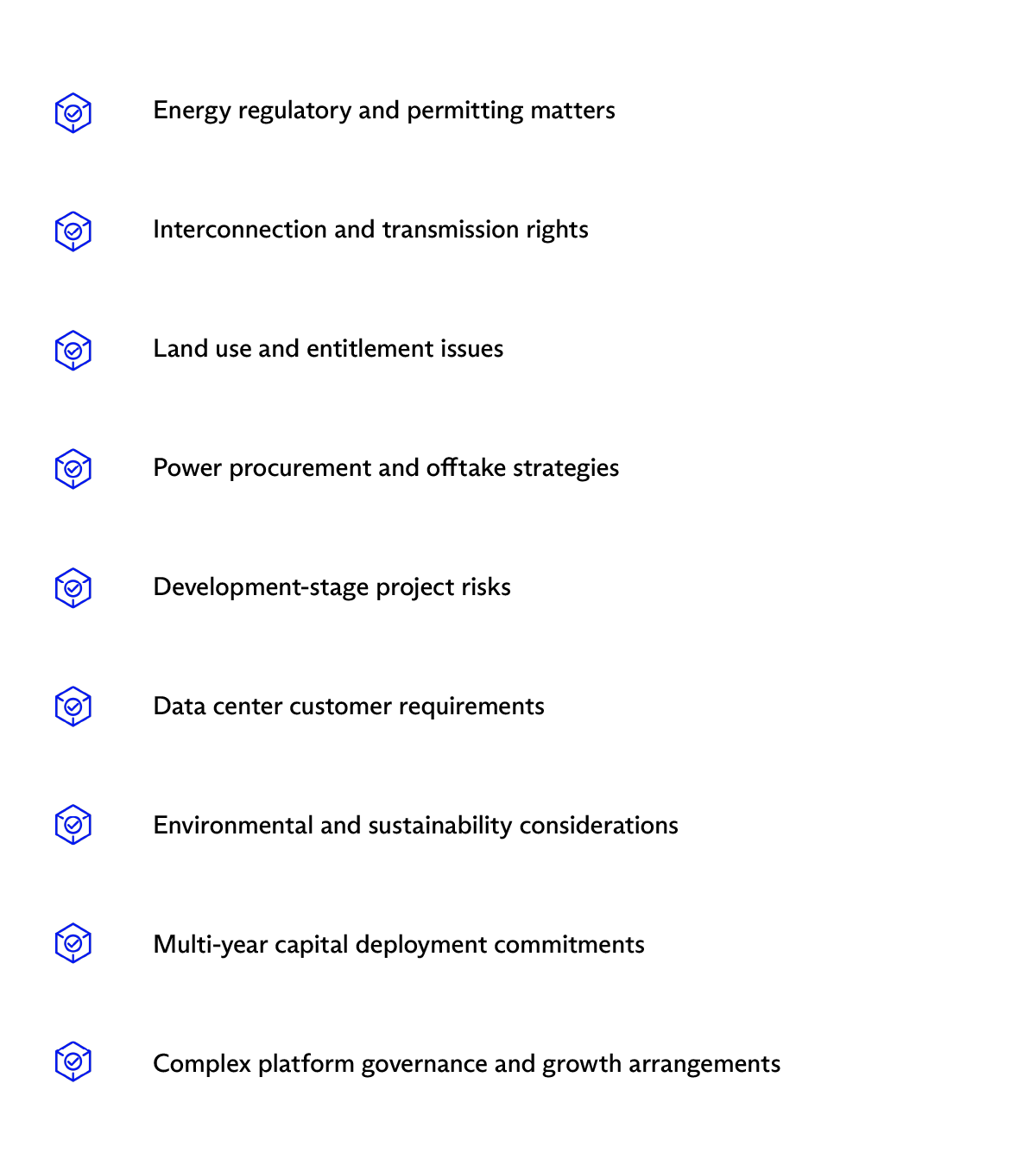
The result is that infrastructure investors are increasingly seeking advisors and management teams that understand both energy infrastructure and digital infrastructure, because future value creation depends on integrating the two.
Although the largest transactions differ in size, geography, structure, and timing, they share several common characteristics.
Scale wins.
Every one of the largest transactions involved a platform capable of supporting hyperscale deployment and multi-year growth.
Platforms outperform projects.
Investors consistently assign premium valuations to businesses with repeatable development capabilities rather than individual assets.
Development optionality commands premiums.
Buyers are increasingly willing to pay for future capacity creation, not merely existing operations.
Infrastructure capital has become the dominant buyer.
Major global alternative asset managers, alongside Brookfield, EQT, KKR, GIP, CPPIB, IFM, and leading sovereign wealth and pension funds appear repeatedly across these transactions.
AI is accelerating everything.
Artificial intelligence is dramatically increasing demand for both digital infrastructure and the power necessary to support it.
The industry is moving beyond a world in which data centers, power generation, transmission infrastructure, and energy development are viewed as separate sectors. The next generation of infrastructure platforms will combine all of these capabilities, and investors are already responding accordingly.
The largest transactions are no longer being driven exclusively by existing operating assets. Instead, they are increasingly being driven by access to power, development pipelines, transmission capacity, interconnection positions, land, and the ability to deliver infrastructure at scale.
Copia is emblematic of that shift.
The future of digital infrastructure is about the ecosystem necessary to power it, rather than just computing. And the last decade of M&A activity demonstrates that the developers, investors, and infrastructure platforms capable of bringing power and digital infrastructure together will continue to command the strongest market interest and the highest valuations.





The Compliance Clinic: Chronic Care Management spotlight
ARTICLE
The Compliance Clinic: Chronic Care Management spotlight
Aug 26, 2026
Read time: 5 min
Chronic Care Management spotlight: Billing, audit risk, and enforcement trends
The Compliance Clinic examines key Medicare, Medicaid, and government enforcement developments across the healthcare industry. Each edition focuses on a specific sector and provides an integrated view of compliance risk across the full enforcement life cycle, from billing and coding practices to audit exposure, enrollment consequences, and government investigations.
Chronic care management lands in OIG’s crosshairs
The investigation letter from the Department of Health and Human Services, Office of Inspector General (OIG) arrives, requesting records and catching you by surprise. You followed the rules, as far as you understood them. You documented the care plan. You obtained patient consent. And yet the letter claims you may have overbilled chronic care management (CCM) services over the last two years. What went wrong? This scenario is becoming increasingly common. Many providers are making repeated “good faith” mistakes that develop into entrenched patterns and compliance issues when furnishing, coding and billing for CCM services.
Investors in, and providers of, CCM services are better positioned to respond to OIG and other payors and enforcement bodies when potential billing gaps are identified before discrete issues turn into systemic risk. Regularly conducting billing and coding audits, including conducting such audits early in any deal process, allows providers and investors to surface operational and documentation issues promptly, address them, and respond appropriately if an OIG or other inquiry arises.
Why CCM, and why now?
OIG has made it clear that CCM services are on its radar. In March 2026, OIG formally added CCM to its work plan, specifically focusing on whether beneficiaries have multiple chronic conditions that meet the requirements of the codes. This update followed other audits focused on CCM services. This is not a surprising trend. From 2019 to 2024, Medicare Part B payments for CCM services increased substantially, and like other services before it, CCM’s pattern of expansion and widespread adoption has prompted additional scrutiny.
CCM services are not being reviewed in isolation. The CCM trend sits within a broader enforcement environment that has become more aggressive and data-driven. Programs such as the Centers for Medicare & Medicaid Services (CMS) Comprehensive Regulations to Uncover Suspicious Healthcare (CRUSH) program use artificial intelligence and advanced analytics to identify increases in utilization of particular services and other abnormal billing behavior. Where audits once occurred years after claims submission, regulators can now spot anomalies in near real time. That shift has significant consequences. In 2025 alone, CMS’s Fraud Defense Operations Center (FDOC) reported $1.8 billion in suspended payments.
Where CCM compliance risks emerge
OIG is particularly focused on the threshold requirement for CCM eligibility: Patients must have two or more qualifying chronic conditions that are expected to last at least 12 months and that place them at significant risk of death, acute exacerbation, or functional decline. On paper, that standard is straightforward. In practice, documentation of these requirements often falls short.
CCM services also include multiple time-based codes, which introduces a separate area of vulnerability. CPT codes such as 99490, 99439, 99487, and 99489 each require specific time thresholds and service expectations. Records that lack clarity around how time was tracked or what services were performed face scrutiny during audit.
The value of independent compliance review
Training staff on billing and coding requirements is a necessary starting point, but relying on the same staff to audit their own documentation can create potential compliance concerns. An independent coding and billing review introduces objectivity, surfaces patterns, and identifies documentation practices that may not raise alarms day-to-day but can become problematic over the long term and draw scrutiny from investigators.
CCM services are a key example of where an independent review is valuable. Coding and compliance requirements are complex, and the gaps between what is billed and what is adequately documented are not always visible. Even sophisticated healthcare providers and investors can struggle to determine whether claims are fully supported by the underlying medical record.
For investors, that outside perspective can do more than identify compliance risk. It can uncover operational strengths, weaknesses, and opportunities that shape how an asset is ultimately valued and positioned, while also informing diligence findings, integration planning, and post-closing compliance priorities.
Compliance as a business imperative
For providers and investors alike, the takeaway is straightforward: growth without disciplined compliance creates exposure. CCM services can be a component of a durable, valuable service line but only when supported by clear documentation, regular auditing, and a willingness to identify weaknesses early.
Healthcare compliance and enforcement risk continue to evolve alongside changes in care delivery and reimbursement. The McDermott Will & Schulte healthcare regulatory and white-collar teams, in collaboration with Farragut Square Group, bring together deep experience in billing and coding, healthcare regulatory, and white-collar enforcement to help clients navigate complexity, mitigate risk, and strengthen compliance in an increasingly scrutinized environment.
Farragut Square Group’s Alana Zangl, Rita Ratner, Alina DiDonato, and Shira Klapper also contributed to this article.








EU and UK remain selective in merger case outcomes: A breakdown of Q2 2026 M&A news
ARTICLE
EU and UK remain selective in merger case outcomes: A breakdown of Q2 2026 M&A news
August 20, 2026
Read time: 6 min
In Q2 2026, EU and UK authorities continued to sharpen how they assess dynamic markets, efficiencies and jurisdiction, while remaining selective in case outcomes. The European Commission’s draft Merger Guidelines and the Competition and Markets Authority’s (CMA’s) efficiencies consultation give parties clearer hooks to argue for clearance based on innovation, investment, and rivalry-enhancing benefits. At the same time, the threat of a transaction being called in when below the threshold (via Article 22) is a less-dependable route for third parties seeking EU review. The practical message is straightforward: Parties should consider competitive dynamics early, building a record with transaction-specific evidence on closeness of competition, customer switching, entry, global constraints, and merger-specific efficiencies.
Efficiencies and dynamic competition move up the agenda
- The Commission’s draft Merger Guidelines signal a more updated framework for dynamic competition, innovation, investment, resilience, sustainability, and global competitiveness.
- In the UK, the CMA’s consultation on rivalry-enhancing efficiencies sits alongside its 4Ps agenda of pace, predictability, proportionality and process.
- The key change is practical rather than doctrinal: Authorities appear increasingly willing to engage with efficiency claims, but only where they are merger-specific, verifiable, and supported by contemporaneous business evidence. Deal teams should therefore build an efficiencies narrative early in the transaction process rather than treating it as a late-stage advocacy tool.
Article 22 is a narrower route for below-threshold complaints
- After Illumina/Grail and the withdrawal of the 2021 Article 22 guidance, the Commission cannot accept referrals from Member States with national merger control regimes where those authorities lack jurisdiction under national law.
- Q2 showed the practical effect: Complainants may still seek to generate referral risk, but the route to Brussels now depends on an available national hook.
- Referral risk remains relevant, particularly in concentrated or innovation-driven markets, but below-threshold deals now face a more predictable jurisdictional landscape and a narrower path to Commission review.
Outcomes remain segment-specific and evidence-led
- Recent EU, UK, and German cases point to pragmatism rather than a uniform tightening or loosening of merger control.
- Authorities cleared complex transactions where evidence showed limited closeness of competition, differentiated strategies, complementary capabilities, or strong global constraints.
- Where concerns were narrower, remedies were targeted to the actual theory of harm; parties should therefore define overlaps carefully and prepare evidence on switching, entry, customer alternatives, and remedy scope.
Number of enforcement actions in key industries1
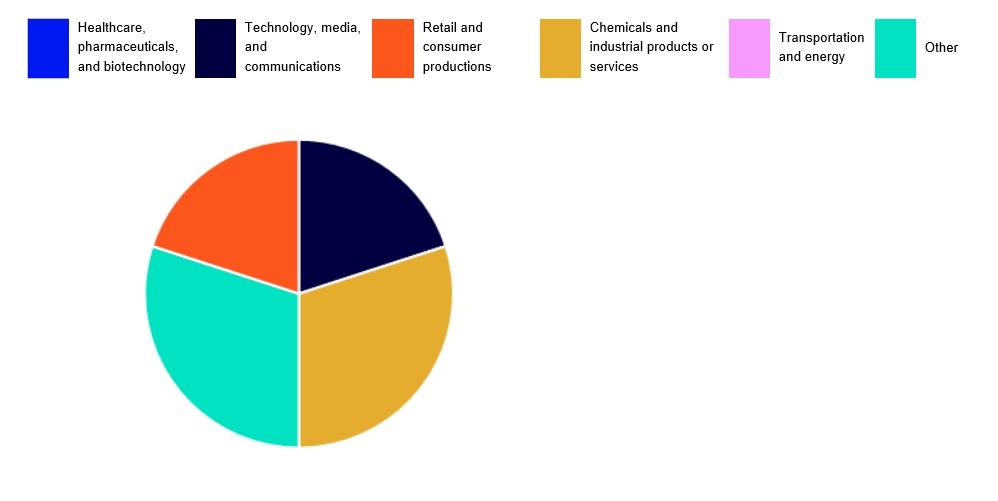
Snapshot of selected enforcement actions2
Time from signing to clearance
Time from signing to clearance
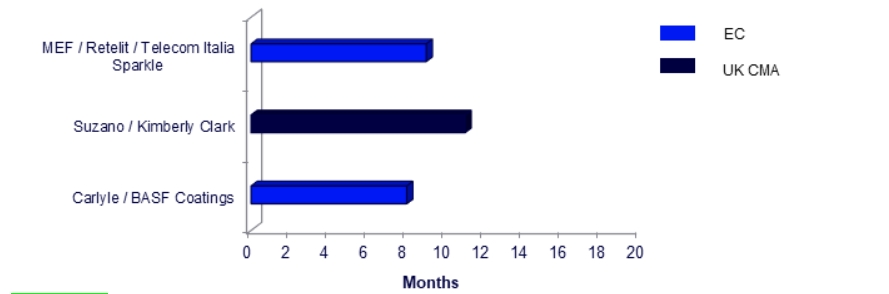







1. For Europe and the United Kingdom, the graphs include cases where an antitrust enforcement agency issued a Phase 2 process or a clearance decision, or challenged the transactions, or the transaction was abandoned after an antitrust investigation.
2. These graphs are based on McDermott internal analysis and public press reports and filings. These graphs do not represent a complete list of all matters within a jurisdiction.

US M&A activity: Remedies return, states press forward, and HSR form reverts
ARTICLE
US M&A activity: Remedies return, states press forward, and HSR form reverts
August 20, 2026
Read time: 8 min
Q2 developments suggest that the Trump 2.0 antitrust agencies are more willing than their predecessors to engage with merging parties on practical resolutions, particularly where proposed fixes are structural, timely, and capable of preserving competition. At the same time, the quarter showed that federal agency clearance may not fully de-risk a transaction where states or private plaintiffs remain active. Meanwhile, the HSR form has reverted to the pre-2025 form, but the agencies are still considering possible revisions later this year.
Remedy proposals are viable again, but parties should engage early
- Current Federal Trade Commission (FTC) and US Department of Justice (DOJ) leadership have emphasized that negotiated remedies can be appropriate where they fully resolve competitive concerns, with a continued preference for structural relief over behavioral commitments.
- The FTC’s May 2026 workshop on eleventh-hour remedy proposals and “litigating the fix” reinforced that timing is critical. Parties that wait until the courthouse steps to propose a remedy should expect skepticism, because late proposals leave the FTC less time to test the proposed divestiture package, assess the buyer, and evaluate whether the fix will actually preserve competition.
- The agencies’ recent consent-order activity illustrates the point. In 365 Retail Markets/Cantaloupe, the FTC accepted a remedy that included a horizontal divestiture as well as behavioral commitments addressing vertical concerns. The DOJ’s Taiheiyo/CalPortland/Vulcan settlement required divestiture of ready-mix concrete plants in San Diego County. The practical takeaway is that parties should identify potential remedies early, build a record supporting their sufficiency, and be prepared to present a credible buyer and implementation plan.
State and private challenges threaten closing and integration
- Nexstar/TEGNA is a significant reminder that federal clearance does not necessarily end regulatory risk. Although the DOJ did not challenge the transaction and the Federal Communications Commission (FCC) cleared the deal after committing to some divestitures and behavioral remedies, a coalition of state attorneys general and DIRECTV obtained a preliminary injunction preventing Nexstar and TEGNA from integrating.
- The injunction requires TEGNA to be maintained as a separate, independently managed business pending adjudication on the merits. That relief is particularly important because the deal had already closed, and the court credited concerns that integration could make later relief, including divestiture or unwinding, more difficult.
- More recently, after federal and foreign regulators cleared the transaction, multiple states challenged Paramount’s acquisition of Warner Brothers. After the court granted a temporary restraining order (TRO), Paramount consented to a preliminary injunction, which will significantly delay the closing of the transaction.
- The case also highlights the increasing importance of state enforcement. State attorneys general may step in where they believe federal agencies have not fully addressed competitive concerns, and their ability to obtain meaningful interim relief may affect transaction planning, integration strategy, and closing-risk allocation.
The HSR form reverts to its earlier version, with possible updates ahead
- The Biden-era 2025 HSR form, which expanded the categories of information filers were required to furnish, has been vacated. The agencies abandoned litigation to enforce the new HSR form, and the agencies reverted to accepting the legacy form.
- The agencies solicited public comments relating to the HSR rules and aim to publish a notice of proposed rulemaking by year-end, presumably to develop a stronger record to support any new rules. It is unclear how similar that proposed rulemaking will be to the previous Biden-era rulemaking.
- For now, parties can file using the legacy form, which requires significantly less information than the 2025 HSR form. Deals signed in late 2026 may face a moving target if the agencies propose a revised form.
Number of enforcement actions in key industries1
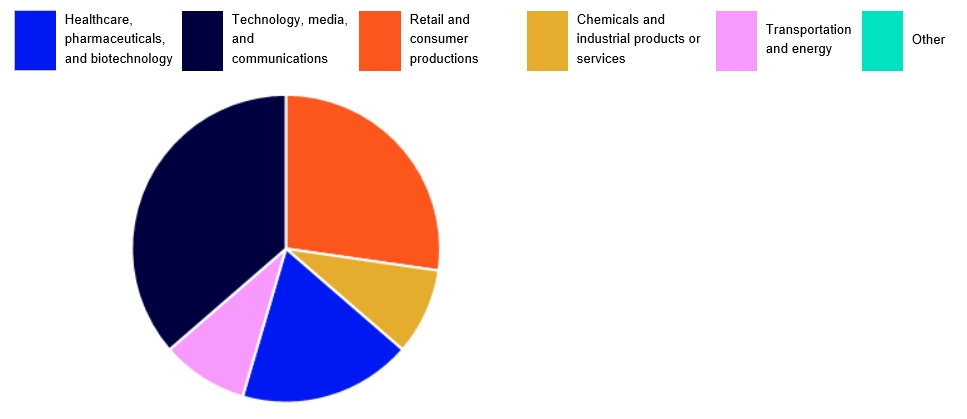
Snapshot of selected enforcement actions2
Time from signing to consent or investigation closing
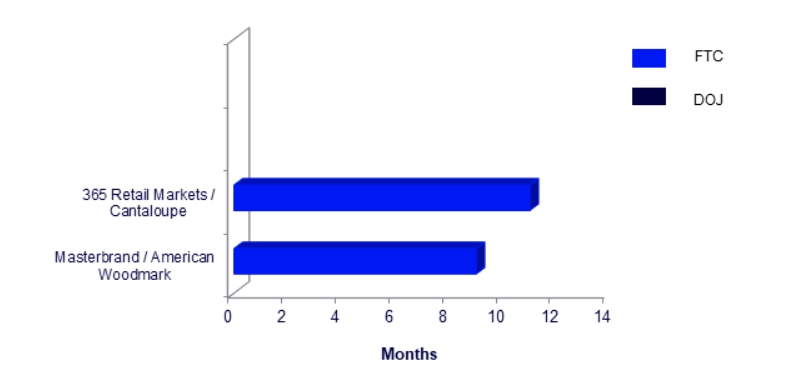

1. For the United States, the graphs include illustrative cases in which an antitrust enforcement agency issued a second request at some point and the investigation remained ongoing during the quarter, the agencies accepted a consent order or issued a complaint initiating litigation against the transaction, or the transaction was abandoned after an antitrust investigation.
2. These graphs are based on McDermott internal analysis and public press reports and filings. These graphs do not represent a complete list of all matters within a jurisdiction.

Global M&A trends: 6 notable Q2 2026 cases out of the US, EU, and UK
ARTICLE
Global M&A trends: 6 notable Q2 2026 cases out of the US, EU, and UK
August 20, 2026
Read time: 11 min
Global competition authorities remained active in Q2 2026, closely reviewing transactions across media, construction materials, digital services, defense, and visual-content markets. Enforcement outcomes ranged from unconditional clearances to targeted structural remedies, litigation by state and private plaintiffs, and deal abandonment where required divestitures proved too burdensome.
The quarter highlights several broader themes: Federal clearance does not eliminate parallel enforcement risk in the United States; agencies remain willing to accept focused divestitures where they fully address competitive concerns; and commercial arrangements may attract merger scrutiny even without a formal acquisition. In Europe and the United Kingdom, authorities also gave increasing weight to competitive pressure from digital platforms and generative AI, while maintaining scrutiny where few meaningful alternatives remain.
Nexstar/TEGNA: State and private plaintiffs obtain preliminary injunction after federal clearance
Markets/structure
Nexstar is the largest owner of local broadcast television stations, and TEGNA is the second-largest owner of local English-language television stations. The transaction would combine extensive local broadcast portfolios and, according to the plaintiffs, create new Big Four television station duopolies and triopolies in local designated market areas.
Summary and observations
The transaction is notable because it had already received US Department of Justice (DOJ) clearance and Federal Communications Commission (FCC) approval, and the parties closed before the district court entered a preliminary injunction. DIRECTV and a coalition of state attorneys general challenged the transaction under Section 7 of the Clayton Act and sought interim relief to prevent integration. On April 17, 2026, a judge granted a preliminary injunction continuing hold-separate relief and prohibiting further integration of Nexstar and TEGNA business pending adjudication on the merits.
The order underscores that federal agency clearance does not preclude state or private antitrust enforcement. It also illustrates the practical importance of integration planning in transactions that may draw continued scrutiny after closing. The court credited the need to preserve the status quo and avoid steps that could make later relief difficult. The matter is also on appeal.
Taiheiyo/CalPortland/Vulcan: DOJ accepts ready-mix concrete divestiture
Markets/structure
Taiheiyo Cement Corporation operates in the United States through CalPortland, and Vulcan Materials is a major construction materials company. The transaction involved CalPortland’s proposed $712 million acquisition of ready-mix concrete assets from Vulcan. The DOJ’s concerns centered on the supply of ready-mix concrete in San Diego County, where ready-mix concrete is an important input for construction and infrastructure projects and competition depends on local production and delivery capabilities.
Summary and observations
On May 21, 2026, the DOJ filed a civil antitrust complaint and proposed settlement requiring CalPortland and Vulcan to divest three ready-mix concrete plants in San Diego County to Holliday Rock Co. The DOJ stated that the divestiture package was designed to preserve competition and prevent higher prices, lower quality, and less-favorable terms for buyers.
The settlement is notable because the DOJ expressly framed the remedy as a structural fix that allows the broader transaction to proceed while addressing the specific competitive issue. It aligns with DOJ leadership’s stated preference for structural relief where it can avoid unnecessary litigation and fully resolve the concern.
Zillow/Redfin: FTC and states advance “de facto merger” theory based on contractual arrangements
Markets/structure
Zillow and Redfin allegedly competed in the sale of advertising for multifamily rental properties. According to the Federal Trade Commission (FTC) and state plaintiffs, the challenged arrangement involved Zillow paying Redfin $100 million upfront plus ongoing payments in exchange for Redfin exiting the multifamily rental advertising market and transferring customer relationships, key employees, and business information to Zillow. Even though there was no formal acquisition agreement, the FTC brought a Section 7 claim alleging that the arrangement in effect operated as an unlawful “acquisition.”
Summary and observations
On May 6, 2026, a federal judge denied Zillow and Redfin’s motion to dismiss the FTC and state complaints. The case remains at an early stage and will proceed to discovery. Contractual arrangements that transfer customers, employees, business information, or competitive functions may draw scrutiny even if they are not formally styled as acquisitions. Parties considering commercial collaborations or strategic partnerships between competitors should evaluate whether the arrangement could be characterized as a de facto acquisition or merger.
European Commission clears RTL’s acquisition of Sky DACH
Markets/structure
RTL Deutschland acquired Sky DACH, a pay-TV operator active in German-speaking European Economic Area (EEA) markets. The parties overlap across the audiovisual value chain, including content acquisition, channel supply, retail distribution, and advertising.
However, the European Commission concluded that, in relation to audiovisual content, and particularly for entertainment and sports content, the parties have different focuses, there are no significant barriers to entry and there is increasing competitive pressure from global streaming platforms. The same applies to the wholesale supply of TV channels and audio services, as well as retail services, where there is limited actual overlap and, importantly, subscription-based streaming services offer strong competitive alternatives. In the advertising space, the Commission found that there are sufficient alternatives to linear TV advertising and that customers can switch easily.
Summary and observations
The Commission cleared the transaction unconditionally on April 22, 2026. RTL had submitted commitments addressing potential advertising concerns, but the Commission ultimately found them unnecessary, in part because of the competitive pressure from global streaming platforms.
The decision reflects the Commission’s recognition of audience migration to digital platforms and of the competitive pressure that global streaming platforms exert on more traditional content providers.
The unconditional Phase 1 clearance within the statutory timeline only tells half the story. The acquisition was announced on June 27, 2025, and brings together two of the most recognizable media brands in the Germany/Austria/Switzerland (DACH) region, as well as two of the fastest-growing streaming offerings in the German market. The formal notification to the Commission was only submitted on February 27, 2026, i.e., eight months after the signed agreement was announced. The timeline suggests that, while the decision was unconditional, the parties submitted a significant amount of evidence to satisfy the Commission. This aligns with Commissioner Ribera’s statement that the Commission “looked carefully” at the deal but found no evidence that it would raise competition concerns.
The Commission also appears to have regarded the competitive constraint imposed by global streaming platforms as significant. It is relatively unusual for the Commission to clear a transaction unconditionally after remedies have been offered to address potential concerns (here, in advertising). Commissioner Ribera’s observation that the transaction will help European media groups respond to these competitive dynamics may signal that other well-established national media groups could combine, and that, in other sectors, greater weight may be placed on the competitive impact of digitalization.1
FCO clears KNDS/ELBIT Systems Land joint venture
Markets/structure
KNDS and ELBIT Systems Land proposed an equally owned joint venture, EuroPULS, to market the EuroPULS rocket artillery system and provide lifecycle services, including maintenance and spare parts.
The joint venture will not have its own production or R&D capabilities; systems will be supplied by the parent companies. The Federal Cartel Office (FCO) therefore treated it as a non-full-function joint venture outside the EU Merger Regulation.
Summary and observations
The FCO cleared the transaction without conditions.
The decision underscores that the Commission will only review transactions where the joint venture meets all the requirements of full functionality. Because of the limited scope of EuroPULS’s activities, the transaction fell outside the EU Merger Regulation; the FCO nonetheless reviewed it under the German regime, which is more expansive and captures joint ventures that may be better described as a form of cooperation.
In assessing the competitive dynamics, the FCO found that the joint venture brings together complementary capabilities and is therefore unlikely to raise horizontal concerns. Indeed, according to the FCO, the partnership is likely to foster competition, as it provides a meaningful counterweight to offerings from other manufacturers.
Getty abandons Shutterstock merger following conditional CMA clearance
Markets/structure
Getty Images and Shutterstock are global suppliers of licensed visual content, with overlaps in stock content and editorial content. Stock content comprises pre-produced visual content for commercial use; editorial content covers time-sensitive news, sports, and entertainment imagery.
The Federal Cartel Office (CMA) referred the deal to Phase 2 after Phase 1 concerns in both stock and editorial content. At Phase 2, it found broader stock-content constraints from Adobe, Canva, and generative artificial intelligence (AI), but continuing concerns in editorial content, where Shutterstock was found to be one of the few meaningful alternatives to Getty for UK customers.
Summary and observations
In May 2026, the CMA cleared the transaction subject to divestment of Shutterstock’s global editorial business to a CMA-approved purchaser. Getty subsequently terminated the merger agreement in June 2026 due to the CMA’s remedy requirement, causing the transaction to collapse.
During the Phase 1 review, the CMA initially had concerns relating to the editorial business and stock content. Although Getty agreed to divest the editorial and stock content businesses in Phase 1, the CMA had questions about the scope of the remedy. In Phase 2, the CMA found the development of generative AI will increasingly compete with both Getty and Shutterstock’s stock content business, and therefore concluded that the transaction would not substantially lessen competition in the stock-content market. However, in Phase 2, the CMA continued to have concerns about the editorial business, and Getty decided that the editorial business divestiture requirement was too burdensome and terminated the transaction.
Notably, the CMA has emphasized that its merger review process was not the reason the deal was abandoned, publishing a press release highlighting the substantial synergies that had been anticipated (separate from the remedy package).
The UK regime gives parties the option to fast-track a case into a Phase 2 investigation, which can allow more evidence to be considered than the statutory timing constraints of a Phase 1 review permit, albeit subject to a higher burden of proof. Where parties can evidence a shift brought about by digitalization, there may be merit in working with the CMA through a Phase 2 investigation to obtain clearance for complex transactions.
1. Commission unconditionally approves RTL’s acquisition of Sky DACH, European Commission

Latest tax updates: Foreign tax transition rules, overtime reporting, and Tax Court anti-abuse decisions
ARTICLE
Latest tax updates: Foreign tax transition rules, overtime reporting, and Tax Court anti-abuse decisions
August 17, 2026
Read time: 6 min
During the last week of July and first week of August 2026, the Internal Revenue Service (IRS) and US Department of the Treasury issued guidance addressing foreign tax credits, the employer-paid family and medical leave credit, the new overtime deduction, the Saver’s Match program, and backup withholding by third-party settlement organizations. The US Tax Court also issued precedential opinions involving consolidated group net operating losses, partnership petition deadlines, and hedged foreign-dividend transactions.
IRS and Treasury guidance
July 31, 2026: The Treasury and the IRS released proposed regulations under Internal Revenue Code Sections 898 and 960 addressing international tax changes enacted by the One Big Beautiful Bill Act. The regulations provide transition rules following the repeal of the one-month deferral election for certain foreign corporations and implement the 10% foreign tax credit disallowance for certain distributions of Section 951A previously taxed earnings and profits. Comments are due September 17, 2026.
August 5, 2026: In Notice 2026-28, the IRS provided interim guidance under Section 45S, the employer credit for paid family and medical leave. Employers may calculate the credit using either qualifying wages paid to employees on leave or qualifying insurance premiums. The notice also addresses employee eligibility, government-funded benefits, controlled groups, and policies covering qualifying and nonqualifying benefits.
August 6, 2026: The IRS updated its frequently asked questions concerning the deduction for qualified overtime compensation under Section 225.
August 7, 2026: The Treasury and the IRS filed final regulations addressing backup withholding on payments processed by third-party settlement organizations. When a payee fails to provide a taxpayer identification number, backup withholding generally begins with the transaction that causes both the $20,000 payment threshold and the 200-transaction threshold to be exceeded. It does not apply retroactively to earlier transactions.
Case developments
July 27, 2026: In HBM Holdings Co. v. Commissioner, 167 T.C. No. 6, the Tax Court applied the separate return limitation year rules to approximately $108 million of net operating losses transferred to a parent corporation shortly before it formed a consolidated group. The Court held that the losses retained their separate-return-year character and rejected the taxpayer’s reliance on the “lonely parent” rule. The decision underscores that transaction sequencing does not necessarily eliminate consolidated return limitations tied to the historical source of tax attributes.
August 5, 2026: In Big Apple Tompkins Realty LLC v. Commissioner, 167 T.C. No. 7, the Tax Court held that the 90-day deadline under Section 6234(a) for challenging a final partnership adjustment is nonjurisdictional. Although the petition was late, the Court declined to dismiss for lack of jurisdiction and reserved whether equitable tolling could apply. The deadline remains mandatory, and partnerships should not assume the decision excuses untimely filing.
August 6, 2026: In SIH Partners LLLP v. Commissioner, 167 T.C. No. 8, the Tax Court denied qualified-dividend treatment and related foreign tax credits arising from Swiss equities hedged by offsetting swap and short positions. Although the transaction passed the mechanical 70% overlap test, the Court applied the regulation’s broader anti-abuse rule because the positions closely tracked each other and held that the transaction’s principal purpose was obtaining tax benefits significantly exceeding the expected pretax economic profits. The opinion thus stands for the proposition that satisfying a numerical test may not preclude application of a broader anti-abuse provision.