
ARTICLE
Global M&A trends: 3 notable Q4 2025 cases out of the US and UK
February 2026
Read time: 6 min
Merger control authorities remained active in Q4 2025, reviewing transactions across the healthcare, manufacturing, and consumer goods sectors. In the United States, courts and regulators issued rulings in cases involving medical device coatings and automotive services. In the United Kingdom, the Competition and Markets Authority accepted remedies to resolve concerns in a food manufacturing merger.
These decisions illustrate key enforcement themes: courts’ willingness to accept party-proposed remedies despite regulator skepticism, the viability of new market entrants as divestiture buyers, and regulatory theories focused on market concentration and elimination of competition even absent concrete evidence of consumer harm. Below are three notable cases that capture these trends.
Notable US cases
FTC fails in challenge of GTCR BC Holdings, LLC acquisition of Surmodics, Inc.
Markets/structure
The FTC alleged the deal would eliminate head-to-head competition between the two leading providers of outsourced hydrophilic coatings in the United States, Surmodics and Biocoat Inc. (owned by GTCR).
Summary and observations
In November, Judge Cummings of the US District Court for the Northern District of Illinois denied the FTC’s attempt to block GTCR’s $627 million acquisition of Surmodics, the other leading provider of outsourced hydrophilic coatings for medical devices.
The FTC argued that the merger would eliminate head-to-head competition between Surmodics and Biocoat (acquired by GTCR in 2022) for outsourced hydrophilic coatings, which are a critical component in lifesaving medical devices such as catheters. The FTC alleged that the post-merger entity, absent any divestiture, would control more than 50% of the market.
Judge Cummings’ ruling demonstrates the success of parties litigating the fix. At trial, Judge Cummings repeatedly urged the parties to reach a settlement, but the FTC expressed little interest in any sort of remedy, even calling it a “smokescreen.” The merging parties, on the other hand (and in an attempt to litigate the fix), proposed a divestiture agreement whereby GTCR would sell portions of Biocoat that overlapped with Surmodics’ offerings to a third party, Integer. The FTC argued that the divestiture to Integer was not sufficient to remedy any harm because they were a new entrant in the space, but the court held that Integer was well qualified to compete. The court also relied heavily on the merging parties’ expert testimony which calculated far lower shares than the FTC asserted; ultimately, the court was persuaded that the remedy would suffice to mitigate any potential anticompetitive effects from the deal.
FTC agrees to consent order in Valvoline Inc. acquisition of Breeze Autocare
Markets/structure
The FTC alleged the deal would eliminate head-to-head competition between two quick-lube oil change companies, Valvoline and Breeze Autocare, in 25 local markets across eight states, creating combined shares in excess of 30% or more.
Summary and observations
In November, the FTC agreed to a divestiture order as a condition to closing Valvoline’s $625 million acquisition of Breeze Autocare (owned by Greenbriar Equity). As part of the agreement, the parties agreed to divest 45 quick-lube oil change retail stores, of the 200 retail stores to be acquired, to Main Street Auto. Main Street Auto is a new entrant in the 25 local markets that were the focus of the FTC.
The FTC alleged that the proposed acquisition would result in unilateral effects by eliminating head-to-head competition between the parties. However, in challenging the deal, the FTC’s complaint lacked more typical allegations in a unilateral effects case that Valvoline and Breeze Autocare are particularly close competitors or that customers lacked strong substitutes for oil-change suppliers in the local markets of concern. Instead of focusing on the potential for the new combined entity to raise prices absent competition from one another, the FTC’s theory resembled that of a coordinated effects case. Indeed, the emphasis in the complaint was that Valvoline’s post-merger market shares would be more than 50% in 17 of the 25 local markets alleged.
While this administration has shown a greater appetite for consent agreements, the antitrust theories propagated still echo a dangerous pattern: that elimination of head-to-head competition alone is bad, even when not tethered to any concrete allegations of harm.
Notable UK case
CMA grants conditional clearance in Greencore acquisition of Bakkavor
Markets/structure
Market for supply of own-label chilled sauces; effectively a four-to-three merger with two substantially smaller competitors and fringe players.
Summary and observations
The CMA reviewed Greencore Group plc’s acquisition of Bakkavor Group plc and found that the merger could lead to a substantial lessening of competition in the supply of own-label chilled sauces in the UK. The CMA considered Greencore and Bakkavor as close competitors based on tender offer data and that each served as an important constraint on the other. Post-merger, the CMA believed, the combined firm would have a substantially stronger position relative to remaining rivals such as 2 Sisters Food Group and Billington Foods, which the CMA viewed as weaker competitors. This raised concerns about reduced retailer choice and higher prices for supermarkets that would likely be passed through to consumers.
To address this concern and avoid a Phase 2 investigation, Greencore offered undertakings, including the divestment of its entire chilled soups and sauces business located in Bristol, together with associated assets and employees. Greencore also entered into a conditional agreement to sell this business to The Compleat Food Group, which the CMA assessed as a suitable purchaser.
Following a public consultation, in which grocery retailers raised no objections and several supported Compleat as an appropriate buyer, the CMA concluded that the undertakings were clearcut and effective in remedying the competition concerns.









A window into the latest EU and UK antitrust M&A activity: Clearance trends and CMA remedies
ARTICLE
A window into the latest EU and UK antitrust M&A activity: Clearance trends and CMA remedies
February 2026
Read time: 6 min
The fourth quarter of 2025 underscored evolving merger control frameworks in the European Union and United Kingdom, marked by greater flexibility, streamlined processes, and pragmatic enforcement. Competition authorities are showing increased openness to behavioral remedies, encouraging deeper pre‑notification engagement, and prioritizing proportionate solutions that preserve pro‑competitive transactions. These developments highlight a regulatory environment in which strategic planning, early dialogue with authorities, and well‑crafted remedies are essential to securing timely approvals in both jurisdictions.
European Union
Early and close engagement with the Commission results in clearances
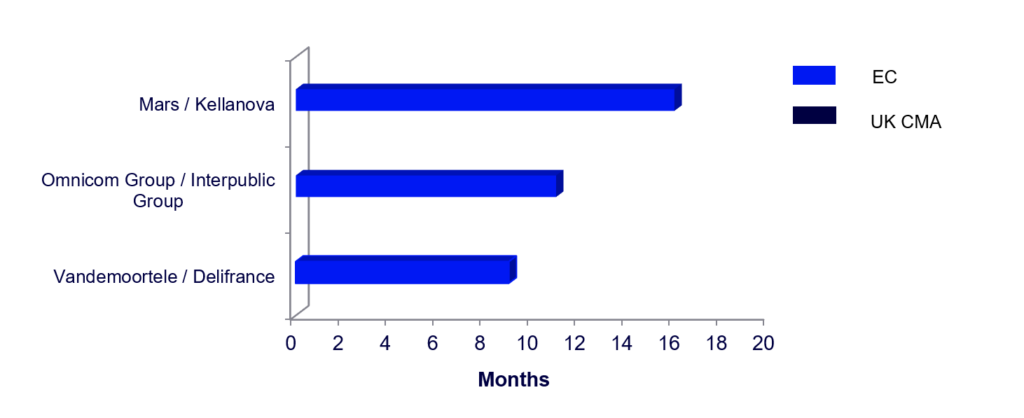
In the last quarter, the European Commission reviewed several complex transactions requiring significant regulatory scrutiny: (i) Mars’ acquisition of Kellanova, in which the Commission considered in-depth supplier power vis-à-vis supermarkets; and (ii) Omnicom’s acquisition of IPG, which was formally notified to the Commission in October 2024 and cleared in Phase 1, some 10 months after the deal was first announced.
In each case, the Commission eventually cleared the transaction, but only after requesting, reviewing, and considering thousands, if not hundreds of thousands, of documents submitted by the parties.
Unconditional clearance for Mars’ acquisition of Kellanova
One of the quarter’s most notable decisions saw the Commission unconditionally clear Mars’ acquisition of Kellanova in Phase 2 almost 16 months after deal announcement. The review focused on how the deal might affect bargaining dynamics with retailers for snack and cereal products. The Commission ultimately concluded that there was no credible risk of increased power leading to competitive harm, relying on the differentiated nature of the relevant product categories and the lack of evidence supporting increased brand loyalty or a “basket effect” on the part of consumers.
The investigation into portfolio effects highlights that the Commission will closely scrutinize transactions in markets where broad product portfolios play a large role and where products could be perceived as “must-stock.” Nevertheless, the unconditional clearance demonstrates that the Commission is unlikely to challenge under a portfolio effects theory without persuasive economic evidence and robust data.
Unconditional clearance for Omnicom’s acquisition of IPG
The Commission also unconditionally approved Omnicom’s acquisition of Interpublic Group (IPG), a merger that creates one of the world’s largest advertising and marketing services networks. The assessment found that existing competitive constraints – from players such as WPP, Publicis, and others – along with high customer mobility and relatively low switching costs, meant the deal was unlikely to significantly impede effective competition in the European Economic Area.
The parties did not formally file the transaction with the Commission until 10 months after deal announcement, after having obtained approval from multiple other jurisdictions. This transaction demonstrates that for complicated transactions parties need to spend a significant amount of time in pre-notification discussions with the Commission.
United Kingdom
CMA revises approach to remedies in year of streamlining merger control investigations
On December 19, 2025, the new guidelines for merger remedies, issued by the Competition and Markets Authority (CMA), took effect. The changes to the merger remedy guidelines are the latest installment in the CMA’s implementation of the “4Ps” framework – pace, predictability, proportionality, and process – which seeks to make merger control more transparent and business friendly. Key points include the following:
Behavioral remedies are more acceptable
While structural remedies remain the preferred option and the test remains the same (i.e., will the remedy be effective, and if so is the remedy proportionate?), the guidelines suggest a more open approach to behavioral remedies, especially if the CMA’s concern relates to specific activities and there is no other alternative remedy to “fix” an otherwise pro-competitive transaction.
Similarly, the CMA relaxed its position on accepting behavioral remedies during the first phase of the investigation. Behavioral remedies still must meet the “clear cut” standard, which requires that remedies must provide obvious and straightforward resolutions to competition concerns and be capable of ready implementation. However, the CMA highlights that early engagement on a remedy that aligns with established market practices and has a degree of market transparency, as well as the parties’ appointing a monitoring trustee, are all factors that increase the likelihood of the CMA accepting behavioral remedies early in the investigation.
Willingness to discuss remedies earlier in the review process
The CMA’s updated guidelines open the door for early, pre-notification discussions around remedies, with such discussions being “without prejudice” to the substantive analysis. Particularly with more-complex remedy packages that include carve-outs (as opposed to standalone businesses), the CMA seeks early engagement from the parties to provide measures to mitigate concerns such as the inclusion of an upfront buyer, the use of a monitoring trustee or independent expert to assess compliance, as well as potential alternative solutions should the remedy deal fall through.
The new guidelines bring to a close a year of realignment for the CMA and make the UK a much more deal-friendly environment.
After introducing new service standards that streamline the merger control process (reducing the average timeline from five to three-and-a-half months) and updating guidelines on jurisdiction and process, the CMA rounded out the year by publishing its latest annual merger investigation outcomes.
For calendar year 2025, the CMA considered 881 mergers (compared to 1,037 mergers in 2024), investigating 39 at phase 1 (compared to 38 in 2024), with only 4 referred to in-depth phase 2 review (compared to 6 in 2024). Of those phase 2 investigations, two were unconditionally cleared (compared to 2 in 2024), 1 resulted in acceptable remedies (compared to 2 in 2024), one was blocked (same as in 2024), and none was abandoned by the parties (compared to one in 2024). Overall, only 0.1% of all considered mergers were blocked or abandoned in 2025 (same as in in 2024).
EU and UK Q4 2025 M&A activity: By the numbers
Number of enforcement actions in key industries1
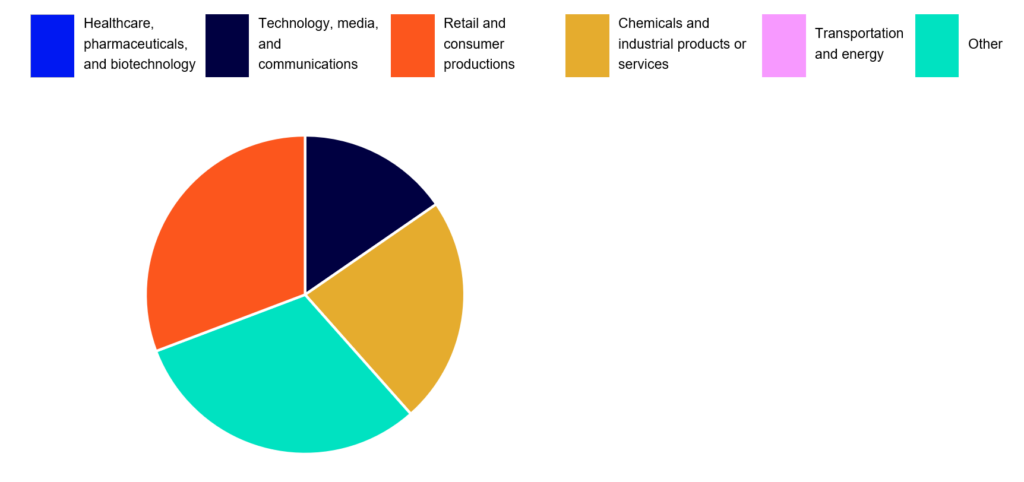
Snapshot of selected enforcement actions2
Time from signing to clearance

5 lessons learned from US litigation wins/losses in 2025
ARTICLE
5 lessons learned from US litigation wins/losses in 2025
February 2026
Read time: 6 min
2025 proved to be a challenging year in court for the Federal Trade Commission (FTC), as it was unsuccessful in challenging the Tempur Sealy/Mattress Firm acquisition, the GTCR/Surmodics acquisition, a decade-old Meta Platforms acquisition, and (on appeal) the Microsoft/Activision Blizzard acquisition. These decisions provide several key takeaways for companies contemplating future M&A.
Overly aggressive, narrow product markets hurt the agencies’ claims
Courts have rejected relevant markets proposed by the FTC where the narrow segmentation is belied by the record and industry norms. In Tempur Sealy, the FTC alleged a “premium” market for mattresses over $2,000. The district court disagreed, finding competition for mattresses “fierce” and noting that the FTC’s own expert admitted that he picked $2,000 as a threshold merely because it gave Mattress Firm higher shares. In the retroactive challenge to Meta, the FTC’s proposed market included Facebook, Instagram, Snapchat, and MeWe but excluded YouTube and TikTok (which are not owned by Meta). The district court disagreed, finding that YouTube and TikTok were competitive substitutes to Facebook and Instagram. Ultimately, market definition is very fact dependent, and the agencies have won many cases by proving narrow markets where facts supported them, especially when business documents align with the narrow-alleged market. The FTC announced on January 20, 2026, that it will appeal the district court’s decision in Meta, and it remains unclear whether retroactive challenges — brought after market conditions have significantly changed since the original acquisition — will gain traction on appeal.
Courts are inclined to accept remedies as a fix to merger challenges
In Tempur Sealy and GTCR, the courts found that the merging parties’ proposed remedies mitigated any antitrust concerns. In GTCR, to address the horizontal overlap, the merging parties proposed a fix during the course of litigation to sell portions of GTCR’s Biocoat to Integer. In Tempur Sealy, to address vertical concerns, the judge found that behavioral remedies (e.g., slot commitments and supply agreements) and a small divestiture of stores undermined the FTC’s concerns. Similarly, in Microsoft, the court found that Microsoft’s licensing agreements and pledge to keep Activision’s key games on all platforms addressed the vertical foreclosure issues. Even when the regulators are unwilling to accept the proposed remedy, these cases demonstrate that courts are giving significant weight to remedies, enabling the parties to “litigate the fix” and prevail at trial.
Vertical challenges are hard to win
The courts have rejected vertical foreclosure theories of harm that rely solely on market share or a “big is bad” approach. In both the Microsoft/Activision Blizzard acquisition and the Tempur Sealy acquisition, the FTC failed to provide concrete evidence of likely foreclosure of competitors, post-acquisition. In Microsoft, the court found that Microsoft lacked profit incentives to only make games available on Microsoft’s gaming system, Xbox. In Tempur Sealy, in addition to the behavioral remedies offered, the court found the potential foreclosure harm for competitors was overstated, as Mattress Firm was not a critical sales channel for mattress manufacturers. While Mattress Firm was a large retail outlet, there were many other channels through which mattress suppliers could reach customers.
The FTC is moving away from in-house challenges
In its most recent transaction challenge, the FTC signalled a significant change in its enforcement practices, opting only to challenge the Henkel and A-Paint merger in federal court via a permanent injunction, rather than initiating an administrative action in parallel. Historically, the FTC has utilized Section 13(b) of the FTC Act, which allows the agency to seek a preliminary injunction in federal court where an administrative challenge is pending at the FTC. Under Section 13(b), a court can grant a preliminary injunction enjoining the merger until the case is heard in the administrative action if the FTC raises questions on the merits of the deal that are “serious, substantial, difficult and doubtful.” A permanent injunction, on the other hand, requires the FTC to succeed on the merits in proving that the merger may substantially lessen competition or tend to create a monopoly. While this change in practice means parties will only have to litigate one case at a time, the timeline for that challenge is likely to increase because of the additional legal and evidentiary standards that must be evaluated by the court. This change also aligns FTC antitrust enforcement more closely to that of the US Department of Justice (DOJ), which only utilizes a permanent injunction standard when challenging a merger.
Increased lobbying efforts in M&A prompts more state intervention
Twelve states and the District of Columbia have intervened in the latest settlement between the DOJ and merging parties, Hewlett Packard Enterprise (HPE) and Juniper Networks (Juniper). The HPE/Juniper settlement raised concerns after internal DOJ disagreements surrounding the deal became public, with former US Deputy Attorney General Roger Alford even calling the consent agreement “pay-to-play.” The intervening states have decried the settlement as the product of undue influence by well-connected lobbyists.
The publicity surrounding the settlement agreement has also called renewed attention to the Antitrust Procedures and Penalties Act (Tunney Act). Under the act, the DOJ must file proposed settlements in federal court for review, and the court evaluates the settlement agreement to see if it is in the public interest.
The states’ intervention in the HPE/Juniper settlement shows a pattern of increased state antitrust action amidst perceived politicized federal antitrust enforcement. Companies that are considering M&A activity should be cognizant that their lobbying efforts are likely to be monitored more closely, not just by the courts, but by state actors as well.
US Q4 2025 M&A activity: By the numbers
Number of enforcement actions in key industries1
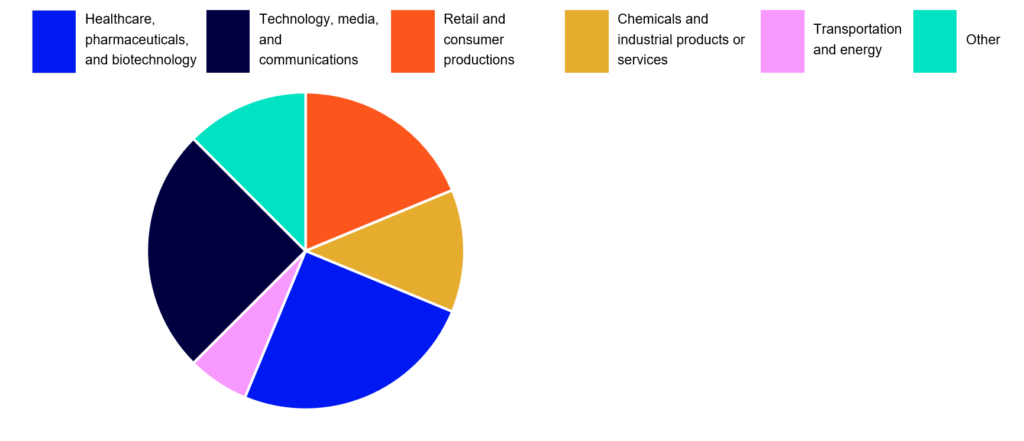
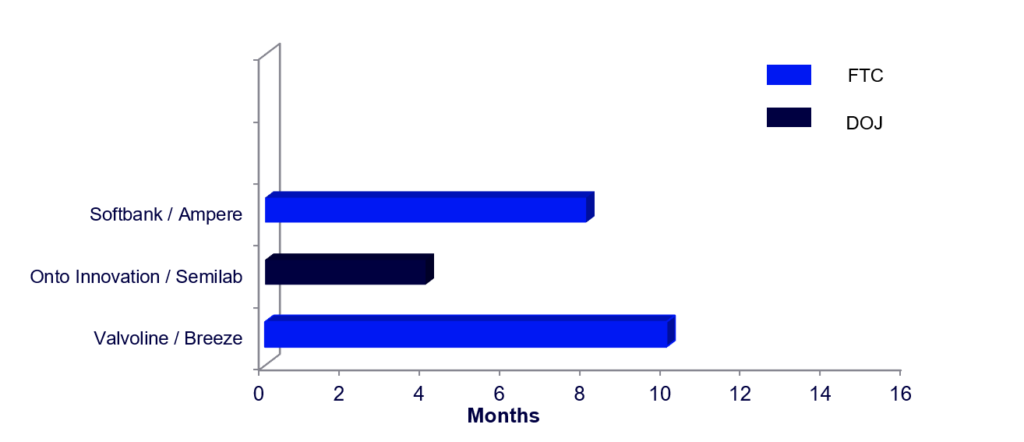
Snapshot of selected enforcement actions2
Time from signing to consent or investigation closing

Indiana poised to become third state with “mini-HSR” regime
ARTICLE / CLIENT ALERT
Indiana poised to become third state with “mini-HSR” regime
January 27, 2026
Read time: 4 min
On January 21, 2026, the Indiana Senate Committee on Judiciary voted unanimously to advance Indiana’s version of the Uniform Antitrust Pre-merger Notification Act (the Act). The Act resembles those enacted in 2025 in Washington and Colorado. Pending passage by the full legislature and signature by the governor, the Act is drafted to go into effect July 1, 2026.
Like the Colorado and Washington laws, the Act requires a party that submits a Hart-Scott-Rodino Act (HSR) filing with the federal government to also file a copy of its HSR materials with the Indiana attorney general if one of the two following prongs is met:
- Principal place of business in the state: The party must provide the entire HSR filing (form and attachments). This generally refers to the headquarters address of the company making the filing. If a party is headquartered in Indiana, it will be required to make a submission to that state.
- More than $26.78 million in annual net sales in the state of “goods or services involved in the transaction”: Only the HSR form is required with the initial filing, but Indiana can request the entire HSR filing, including attachments.
- The $26.78 million sales figure represents 20% of the HSR size-of-transaction filing threshold for 2026 ($133.9 million, effective February 17, 2026). The HSR filing threshold changes each year (typically increasing each February).
- The net sales in Indiana threshold refers to sales in, into, and from Indiana. For the seller, the determination is based on the sales of the target. For the buyer, the determination is based only on the buyer’s sales of products that overlap with what it is acquiring from the target (i.e., products that derive revenue in overlapping North American Industry Classification System (NAICS) codes and/or products identified in the Overlap Description of the HSR form).
If the party is an Indiana health care entity that has filed a notice of merger or acquisition under IC 25-1-8.5-4 (which separately requires submission of the party’s entire HSR filing), that party is exempted from filing under the Act, even if it meets (1) or (2) above.
The Act requires a party to file under the Act within one (1) business day of submitting its HSR filing. Not doing so subjects the party to a daily fine of up to $10,000 for each day that the party fails to file with Indiana.
Furthermore, like Washington and Colorado, the Act permits Indiana to share the information and documents it receives pursuant to the Act with any other state that has a similar law.
The Uniform Antitrust Pre-merger Notification Act was first published in 2024 by the Uniform Law Commission, and it has picked up momentum with two states implementing it. Indiana is now in the process of enacting its statute, and other states are working on their versions. To date, our team has not experienced any investigations arising from these parallel filing regimes, but they do create a compliance burden to assess reportability and submit the filings using the different procedures applicable in each state.






The good, the unexpected, and the unanswered: Advisory Opinion 25-11 addresses discounts and rebates under the AKS
ARTICLE / CLIENT ALERT
The good, the unexpected, and the unanswered: Advisory Opinion 25-11 addresses discounts and rebates under the AKS
January 27, 2026
Read time: 10 min
At the end of 2025, the Office of Inspector General (OIG) of the US Department of Health and Human Services issued Advisory Opinion (AO) 25-11, addressing a biopharmaceutical manufacturer’s proposed vaccine discount and rebate arrangements. OIG ultimately found that the discounts either met the discount safe harbor or posed a sufficiently low risk of fraud and abuse to merit a favorable opinion. AO 25-11 is notable because it reinforces several longstanding core principles of Anti-Kickback Statute (AKS) discount analysis and provides additional clarifications of some concepts, such as changing rebate terms post-sale in certain circumstances. However, the opinion also raises several questions about OIG’s position on a few key discount concepts.
The AO 25-11 requestor is a biopharmaceutical manufacturer that produces several vaccines reimbursed under different Medicare programs. Two of the vaccines are reimbursed under Medicare Part B, and one is reimbursed under Medicare Part D. Each vaccine competes with at least one similarly priced competitor product.
The requestor proposed four general categories of discount and rebate arrangements:
- Upfront discounts on a single vaccine, applied as a percentage reduction and known at the time of purchase
- Upfront discounts on a single vaccine, conditioned on meeting volume or market-share thresholds during a prior measurement period
- Bundled upfront discounts across multiple vaccines, also tied to purchase requirements
- Bundled rebates calculated retrospectively, with the initial purchase contract stating that the rebate terms, such as market share requirements, could be adjusted during the term after providing advance notice to the buyer
OIG concluded that each of the proposed arrangements would implicate the AKS because the discounts and rebates were offered in exchange for the buyer deciding to purchase the requestor’s products. Relying on the requestor’s certifications, OIG concluded that the seller obligations under the discount safe harbor would be satisfied and focused most of the opinion’s analysis on whether the arrangements met the safe harbor’s definitions of a “discount” or “rebate.” OIG determined that even where an arrangement failed to meet the safe harbor’s definitional requirements, it could still pose sufficiently low risk under the AKS based on its structure and safeguards.
Here are the main takeaways and observations from the opinion.
The good
This request presented OIG with the opportunity to confirm the uncontroversial conclusion that upfront discounts, such as a flat percentage off the list price and an additional price reduction for paying invoices promptly or reserving supplies in advance, meet the safe harbor discount definition. Upfront discounts with market share or volume requirements were also unsurprisingly deemed to meet the discount definition. Here, the buyer’s prior purchases of the products were used to calculate an upfront discount for future purchases over a certain time period until the eligibility for the discount level was recalculated.
OIG also stated that bundling products into an upfront discount or rebate with purchase requirements can meet the discount or rebate definition if products in the bundle are reimbursed under the same federal healthcare program methodology – and importantly considered the products reimbursed under Medicare Part B to qualify as reimbursed under the “same methodology.”
OIG applied an analysis similar to that used in AO 21-14 and discussed in the 1999 AKS safe harbor final rule preamble to the requestor’s bundles that included products reimbursed under different federal healthcare program methodologies. OIG concluded that these bundles would not meet the discount or rebate definition but posed low risk because the price reduction was calculated separately for each product and buyers earned discounts only by meeting thresholds for each product in the bundle. OIG reiterated its longstanding concern that mixed-methodology bundles can pose a risk of improperly shifting costs to federal programs by discounting one product or service to induce full-price purchases of another product or service.
Finally, OIG confirmed the safe harbor’s structure of imposing, and providing protection under, separate seller and buyer requirements. Whether the requestor (the seller) met the safe harbor depended on two things: whether the discount definition was met, and whether the seller met its reporting obligations to the different buyer types in the safe harbor. It did not depend on whether the buyer, in turn, met the buyer requirements under the safe harbor.
The unexpected
Under the discount safe harbor, a “rebate” is a type of discount where the “terms are fixed and disclosed in writing to the buyer at the time of the initial purchase to which the discount applies, but which is not given at the time of sale.” Since the requestor reserved the right to adjust the rebate terms post-sale in the rebate agreement (e.g., by increasing the discount or lowering the market share requirements), OIG concluded that in instances where the requestor adjusted the rebate terms, the rebate would not meet the safe harbor definition. Nonetheless, OIG concluded that the rebate posed low risk where the possibility of adjustment was disclosed in advance and adjustments were made to respond to competitive pressures. This reasoning reflects a pragmatic approach to changing market dynamics and places a priority on transparency and potential benefits to buyers and patients by fostering price competition.
The unanswered
AO 25-11 raises some interesting and not fully answered questions. First, OIG was silent on the analysis under the statutory exception for discounts that do not meet the regulatory safe harbor. This silence is curious in light of OIG’s statement in the preamble to the final rule revising the discount safe harbor to address certain pharmaceutical rebate practices that the statutory discount exception may protect discounting practices that do not meet the safe harbor (the effective date of these changes has been pushed out to January 1, 2032). 85 Fed. Reg. 76666, 76690-91 (Nov. 30, 2020). The two federal district courts that have considered whether the statutory discount exception is separate from the discount safe harbor concluded that it is. See United States v. Shaw, 106 F. Supp. 2d 103 (D. Mass. 2000); See United States ex. rel. Schroeder v. Hutchinson Regional Medical Center, Slip Copy 2024 WL 4298655 (D. Kan.); reconsideration denied sub nom United States ex rel. Schroeder v. Hutchinson Reg’l Med. Ctr., 777 F. Supp. 3d 1256 (D. Kan. 2025).
Second, OIG was particularly concerned about so-called “services” required to obtain a discount but left some ambiguity as to what qualifies as a requirement. The basis for this concern is rooted in the safe harbor discount definition. The safe harbor defines a discount as a “reduction in the amount a buyer . . . is charged for an item or service” and excludes “services provided in accordance with a personal or management services contract” from the discount definition. This framework reflects that the underlying AKS analysis tracks the flow of remuneration (the discount) from the seller to the buyer because discounts intrinsically induce the buyer’s purchases. Thus, this provision is typically understood to mean that services that the seller provides to the buyer (another form of remuneration besides the price reduction) do not qualify as a “discount” on the buyer’s purchases, because otherwise such services could create a “hidden discount” on the goods or services the buyer purchases.
In AO 25-11, OIG flipped the remunerative flow with its concern about the seller “requiring” the buyer to perform services for the seller, such as marketing or promoting the products or switching patients to the seller’s products. The opinion contains three separate warning statements that OIG’s conclusion would be different if “any services were required to qualify for the discounts.” OIG expressed an awareness that discounts based on market share or volume “often require, explicitly or implicitly, some level of services from the purchaser, (e.g., marketing the products or switching patients from one product to another).” At the same time, OIG acknowledged that the “practical effect” of discounts based on market share, preferred status, or volume is that purchasers may choose to stock those products over others. Indeed, some of the requestor’s agreements required the buyer to designate its product as “preferred” to obtain the discount.
AO 25-11 appears to draw a distinction between discount terms that may reward or result in greater purchases, such as the preferred designation, and discount terms that require the buyer to promote or switch patients to the seller’s products. The former scenario preserves the buyer’s ability to independently decide through its own formulary and other product standardization processes to designate certain products as preferred or to encourage providers to use products that cost the organization less and still meet patient needs. In other words, in OIG’s view, once the arrangement requires the buyer to provide services, the discount remuneration ceases to function as a true price reduction and instead becomes compensation for services, placing the arrangement outside the safe harbor and creating AKS risk. While OIG did not say that an exclusivity requirement is per se problematic, OIG did not articulate a standard for when market-share incentives effectively become an exclusivity requirement. OIG also did not expressly articulate why the buyer would consider exclusivity a “service” and not simply a term to obtain larger discounts that would meet the discount safe harbor (and exception). Exclusivity provisions may be subject to more scrutiny in the future.
Third, OIG did not offer a full framework for the facts and circumstances analysis of permissible competitive adjustments to rebate terms. AO 25-11 notes that the requestor’s agreement said that it may increase the discount offered or lower market share requirements for particular tiers during the contract term after providing advance notice to the buyer. The opinion appears to approve rebate term changes that apply to purchases made either before or after the term change. The flexibility in adjusting rebate terms during a contract period without needing to terminate and re-enter a contract should ease compliance burdens.
Conclusion
Taken together, AO 25-11 confirms many common discounting practices as qualifying for the safe harbor, which should provide some comfort to sellers and buyers alike. Upfront discounts, purchase requirements, and bundled discounts that apply proportionally across products generally can be structured to meet the safe harbor. Rebate arrangements have newfound flexibility to adjust terms if potential adjustments are disclosed at the time of the initial sale.
That said, the unanswered questions indicate that discounting practices and agreements require careful analysis. Bundled discounts involving mixed reimbursement methodologies remain subject to case-specific analysis. What constitutes a “service” from the buyer and how to address exclusivity provisions are also issues to closely examine. Sellers should appropriately train sales and business personnel on the compliance considerations and maintain an appropriate contracting process for discounting.
The McDermott difference
McDermott Will & Schulte has extensive experience counseling clients with respect to discount and rebate arrangements, as well as helping clients navigate enforcement actions related to discounting and AKS allegations. Please contact one of the authors or your regular McDermott lawyer for more information.







Unpacking UK ICO’s updated guidance on international transfers
ARTICLE / CLIENT ALERT
Unpacking UK ICO’s updated guidance on international transfers
January 26, 2026
Read time: 6 min
On January 15, 2026, the UK Information Commissioner’s Office (ICO) announced updated guidance on restricted international transfers aimed at improving organizational understanding and compliance with the United Kingdom’s international transfer regime under the UK General Data Protection Regulation (UK GDPR).
Notably, the new guidance introduces a three-step test to help organizations identify restricted transfers under the UK GDPR. The guidance also clarifies the application of controller and processor roles in the context of restricted transfers and provides insight into adequacy decisions.
To determine whether compliance with transfer restrictions is necessary, businesses must first assess whether they are engaging in a restricted transfer. Restricted transfers generally involve the transfer of personal data to separate controllers or processors (i.e., separate legal entities) outside the UK, although the determination will depend on specific circumstances of the transfer.
The three-step test
The ICO’s updated guidance introduces a three-step test for determining whether a restricted transfer is taking place. The three steps ask:
- Does the UK GDPR apply to the personal data that will be transferred?
- Is the transfer to a recipient outside the UK?
- Is the transfer to a separate controller or processor (i.e., a separate legal entity) from the exporter?
The guidance states that if the answer is “yes” to all three questions, the transfer is considered a restricted transfer, and the UK GDPR international transfer rules apply.
Data transfer roles
The updates to the ICO’s guidance also provide greater clarity regarding how the ICO views the roles and responsibilities organizations have when engaging in restricted international transfers.
As a reminder, entities are classified as “controllers” or “processors” based on their respective roles in determining how and why personal data is processed. Controllers determine the purposes and means of processing personal data, while processors (and their subprocessors) act on a controller’s behalf.
The updated guidance clarifies that processors are responsible for restricted data transfers that the processor itself initiates, even when a controller has authorized the transfer. This would even include onward transfers that processors initiate to their subprocessors.
Additionally, the guidance clarifies when an organization is not responsible for an international transfer. For example, a processor does not need to comply with the data transfer rules when sending or returning personal data to the originating controller. The ICO does not consider this a restricted transfer because it is a transfer back to the same legal entity.
Transfer risk assessments
The guidance also clarifies responsibilities for conducting a transfer risk assessment (TRA), which evaluates the risks and safeguards involved with transferring personal data outside the UK. Since the ICO issued its post-Schrems II international transfer guidance, TRAs have been required when personal data is transferred from the UK to countries not subject to a UK adequacy decision.
Historically, controllers have been generally responsible for completing TRAs. However, the guidance states that processors are also responsible for completing TRAs for the restricted transfers they initiate, including transfers to subprocessors (even when the controller has authorized use of the subprocessor).
In addition to clarifying responsibilities, the updated guidance provides more information on how to complete a TRA. The ICO released a new interactive tool containing questions and guidance for completing a TRA. The TRA tool prompts organizations to consider:
- The specific circumstances of the restricted transfer;
- The level of risk to people in the personal data you are transferring;
- A reasonable and proportionate level of investigation, given the overall risk level in the personal data and the nature of your organization;
- Whether the transfer significantly increases the risk of a human rights breach in the destination country for the people who are the subject of the transferred data;
- Whether both you and the data subjects will be able to enforce the safeguard in the UK against the data recipient;
- If enforcement action outside the UK may be needed, whether you and the data subjects will be able to enforce the safeguard in the destination country or elsewhere; and
- Whether any of the limited exceptions to the restricted transfer regime apply.
The tool also provides a list of personal data categories and assigns initial risk scores reflecting the risk of harm to individuals. The ICO encourages entities to use the initial risk scores as a starting point to determine the level of risk that must be accounted for in the TRA.
While use of the new tool is not required, it seeks to provide entities with a standard way to conduct TRAs before engaging in restricted transfers.
Adequacy guidance
Finally, the ICO guidance addresses adequacy decisions, clarifying that adequacy regulations permit both full and partial adequacy decisions. Full decisions cover all restricted transfers to a certain country, while partial decisions cover only certain transfers, such as transfers to specific types or organizations, transfers involving specific types of personal data, or transfers where specific conditions apply.
The guidance also provides more information on the UK Extension to the EU-US Data Privacy Framework (DPF) requirements. It clarifies that only US businesses regulated by the US Federal Trade Commission (FTC) or US Department of Transportation (DOT) are eligible to join the DPF.
When relying on the UK Extension, the ICO guidance states that organizations must:
- Only make restricted transfers to US businesses that are active on the DPF list;
- Only transfer the types of personal data that the US business has registered to receive; and
- Ensure compliance with additional obligations when transferring specific types of data, such as HR data, special category data, and criminal offense data.
Key takeaways and action items
Organizations that engage in restricted transfers should:
- Review the updated guidance to ensure current policies and procedures are aligned with the ICO’s updated expectations;
- Consider updating transfer risk assessments and related policies and procedures to align with the questions and risk analyses set out in the new TRA tool;
- Evaluate current reliance on adequacy decisions, including whether ongoing reliance remains appropriate in light of the updated guidance; and
- Use the guidance as an opportunity to operationalize and strengthen international data transfer governance and compliance programs.
Our cross-practice team continues to closely monitor global privacy and cybersecurity developments. To learn more, reach out to one of the authors or your regular McDermott Will & Schulte lawyer to discuss the potential legal implications for your business.




Fewer cases, higher stakes: SEC enforcement trends for pharmaceutical, life sciences, and healthcare companies heading into 2026
ARTICLE / CLIENT ALERT
Fewer cases, higher stakes: SEC enforcement trends for pharmaceutical, life sciences, and healthcare companies heading into 2026
January 23, 2026
Read time: 12 min
Amid a year of significant disruption, the US Securities and Exchange Commission (SEC) initiated far fewer enforcement actions involving public company financial reporting, accounting irregularities, and issuer disclosures during the 2025 fiscal year. Nevertheless, with many challenges in the rearview mirror, the SEC’s Enforcement Division appears positioned for increased enforcement activity in 2026 – particularly as to public companies and executives in the pharmaceutical, life sciences, and healthcare industries.
Cases that the SEC brought during the transition – including activity in early 2026 – and public commentary reflect a strategy of highly selective enforcement. Although the SEC’s interest in pursuing significant corporate penalties is diminished, its stated emphasis on individual accountability creates heightened risk for individual executives and directors of public companies. The Enforcement Division is expected to pursue matters with unmistakable evidence of material misrepresentations and significant investor harm. However, as at least one more recent case demonstrates, the SEC also will continue to bring settled actions involving nuanced judgments about disclosures concerning clinical trials and US Food & Drug Administration (FDA) reviews.
Agency in transition
Since the presidential election, the SEC has been an agency in transition. On January 21, 2025, Commissioner Mark Uyeda became Acting Chair of the SEC, replacing Gary Gensler. Commissioner Uyeda held that interim role until Paul Atkins assumed the chairmanship on April 21, 2025. It then took several months to appoint a new Enforcement Director. Judge Margaret “Meg” Ryan began her tenure as Director on September 2, 2025, only to encounter an extended government shutdown that began at the end of her first month.
During this transition, the Enforcement Division faced a series of challenges, including significant personnel reductions – resulting in the loss of approximately 15% to 20% of its headcount – leadership restructuring, and changes to long-standing investigative and charging practices. At the same time, the Enforcement Division continued to grapple with constitutional challenges to its authority and devoted substantial resources to resolving legacy matters. Together, these factors constrained enforcement activity during 2025, but the Enforcement Division now appears positioned to move forward with renewed momentum.
Issuer reporting actions
As a result of these disruptions, the SEC’s enforcement statistics were markedly lower than in prior years. The number of actions for the first fiscal year of the second Trump administration fell substantially, with only 313 actions (as reported by SEC observers), with many of these actions brought in the waning months of the Gensler administration.
Notwithstanding this decline, the SEC’s enforcement activity indicates that the agency will continue to bring some of its most significant actions against companies and individuals operating in the pharmaceutical, life sciences, and healthcare industries. Historically, the Commission has brought a steady stream of cases in these sectors due to the complexity of clinical data, the central role of the FDA, and the outsized impact of scientific and clinical disclosures on share price movement. Several actions brought under the new administration illustrate this priority:
- In March 2025, the Commission announced a settled action against a public biopharmaceutical company arising from disclosures concerning the regulatory status of its drug candidate. According to the SEC, the biopharmaceutical company licensed a drug that had failed a clinical “superiority” trial. The company revisited the data through a noninferiority analysis of the same trial, changing a governing study metric from overall survival to progression-free survival. The FDA notified company executives that, without a new trial, any new drug application would be rejected. When the company announced the FDA’s rejection of its new application, its share price declined by approximately 31%. Without admitting or denying the SEC’s findings, the company settled to negligent misrepresentations and other reporting violations and agreed to pay a $1.5 million penalty. The Commission then filed a litigated action against three individuals, alleging that the CEO made misleading statements, while two other senior executives took part in a broader effort to conceal the FDA’s alleged critique of the drug’s approval prospects. The SEC’s case relies not only on public filings but also on an investor presentation deck.
- The Commission’s action against a global life sciences company, announced in April 2025, offers a similar example. During the COVID-19 pandemic, certain pharmaceutical companies relied on the company to support vaccine manufacturing efforts. The company publicly represented that one of its facilities had the capacity and readiness to manufacture vaccines at scale. However, the Commission alleges that internal documents revealed that the FDA had repeatedly warned the company about readiness issues. Further, according to the SEC, internal communications showed that management was aware of substantial operational and quality-control deficiencies. The Commission found that the company materially misled investors by failing to disclose the readiness issues. Without admitting or denying the SEC’s findings, the company settled to negligent misrepresentations and books-and-records violations, paying a civil penalty of $2.5 million.
- Reflecting a similar enforcement focus, the Commission announced another action against a drug developer in September 2025. In that matter, the company publicly presented cardiovascular safety data for its drug candidate that appeared more favorable than internal analyses supported. The discrepancy stemmed from undisclosed post hoc changes to statistical stratification factors – changes that materially altered the interpretation of the drug’s safety profile. The misleading information allegedly was incorporated into earnings calls, SEC filings, investor presentations, and even a peer-reviewed publication. When the company disclosed the changes to the data, which showed that the drug was merely comparable to existing treatments, the share price dropped by more than 43%. Without admitting or denying the SEC’s findings, the company settled with the Commission for penalty exceeding $1 million. At the same time, the Commission filed a litigated action against the company’s former chief medical officer, alleging that she was responsible for the analysis, interpretation, and communication of the clinical data at issue.
Considering these actions, issuers, executives, directors, and auditors in the pharmaceutical, life sciences, and healthcare industries should expect continued scrutiny of accounting and public disclosures.
A more recent settled action suggests continued interest in what many might regard as subtle line-drawing related to clinical trials and regulatory evaluations. In January 2026, the Commission announced a settled action against two former senior executives of a clinical-stage biopharmaceutical company. According to the SEC, the action arose from statements concerning the efficacy of the company’s lead drug candidate during the FDA’s review of the company’s new drug application. The SEC alleged that, after the FDA review team identified as a “significant issue” the inclusion of certain patients in the efficacy analysis and expressed concern that its own analysis did not demonstrate efficacy, the executives continued to state publicly that the clinical trial had met its primary efficacy endpoint as specified in the protocol. Although the company had disclosed that the FDA had cancelled certain meetings due to “deficiencies with the FDA,” the SEC alleges that the executives’ statements were misleading because they did not disclose the FDA’s particular concern and seemingly did not “weigh” the risk assessment appropriately. When the company later disclosed the FDA’s contrary analysis and announced that it would cease commercialization efforts, the company’s stock price declined by 64%.
Without admitting or denying the SEC’s findings, executives settled to negligent misrepresentation violations, with the former CEO and CFO agreeing to pay $112,500 and $75,000 in civil penalties, respectively. Although the company announced on January 10, 2025, that it had received a Wells notice (a formal notification from the SEC staff that it has made a preliminary determination to recommend an enforcement action), the SEC did not announce any action against the company.
Cross-cutting themes in a reduced enforcement era
Viewed together, these cases illuminate several themes about how the SEC is exercising its discretion during a period of significantly reduced enforcement volume. First, the Commission is displaying a marked preference for cases in which the facts are, to the SEC, indicative of overt fraud. Relatedly, between the changes in leadership and Wells process (a pre-filing procedure that allows defense counsel to understand and respond to the SEC staff’s recommended action), we expect the SEC to require that staff attorneys provide strong, admissible evidence of these violations. Public remarks by staff suggest that the search for individual responsibility will be comprehensive, but that the Enforcement Division is unlikely to rely on stray problematic emails or documents without more evidence. Ambiguous or hindsight cases will be less likely.
Second, even as its overall enforcement actions declined, the SEC continued to pursue disclosure cases involving the pharmaceutical, life sciences, and healthcare sectors. In part, that enforcement interest is based on the unmistakable materiality of FDA-related disclosures, exemplified by the pronounced market effect of announcing clinical data, regulatory feedback, and drug safety. This Commission is likely to conclude that investor harm is present when these announcements are, in its view, false or misleading. In these cases, it is critical to help explain clinical and industry nuances that may not be apparent to SEC enforcement attorneys with (understandably) limited background in these areas.
Third, and critically, these matters underscore that the SEC’s emphasis on individual accountability has not diminished. In recent actions, the Commission paired corporate resolutions with litigated actions against individuals occupying senior leadership positions. This approach reflects a deliberate enforcement strategy in which the Commission pursues corporate settlements while simultaneously seeking to hold individuals responsible for their roles in making, approving, or disseminating challenged disclosures. Expect document requests and testimony focused on these questions of intent and responsibility. The actions described above demonstrate that individual accountability will continue to be a top priority, even in a more selective enforcement environment.
Parallel FDA developments
Recent developments at the FDA may further complicate the landscape. As discussed in more detail in a prior publication, in July 2025, the FDA announced a shift toward increased transparency, including a policy of publicly releasing more information regarding the status of drug and biologics applications – most notably through the publication of complete response letters (CRLs) that historically were treated as confidential between the agency and the applicant.
This change, and the related collaboration between the FDA and the SEC, has the potential to affect public company disclosure practices – and hence enforcement risk – by narrowing the gap between what the FDA communicates publicly and what companies have traditionally disclosed through SEC filings or investor communications. As a result, companies may face heightened scrutiny regarding the timing, accuracy, and completeness of their disclosures concerning regulatory setbacks, deficiencies, or requests for additional data, particularly where FDA statements become publicly available before or contemporaneously with issuer disclosures. Although the FDA’s policy does not alter existing SEC disclosure standards, it may influence materiality assessments by shaping investor expectations and increasing the likelihood that discrepancies between internal regulatory communications and public statements are identified and questioned by regulators, analysts, or investors. Indeed, the Commission’s January 16, 2026, order illustrates that the SEC closely examines how companies describe FDA interactions and that management and boards should carefully consider whether evolving regulatory feedback, even during an ongoing deliberative process, is adequately and accurately reflected in public disclosures.
Insider trading
Insider trading is another area of consistent exposure for public companies in these industries. Although public companies are rarely a target of these investigations, responding to investigations can be burdensome and distracting. Insider trading investigations also can compromise key executives and directors. Of course, for the individuals subject to enforcement scrutiny, an SEC investigation can be existential.
In the past year, the SEC brought a comparable number of insider trading actions, many of which involved parallel criminal investigations or actions. Trading based on the undisclosed true status of a company’s drug or medical device has long been a rich source of SEC insider trading actions. As with the issuer reporting cases, many insider trading investigations involve developments at pharmaceutical, life sciences, and healthcare companies.
For example, in January 2026, the SEC charged an individual consultant with insider trading in the stock of a clinical-stage biopharmaceutical company. According to the SEC’s complaint, the consultant became aware of positive clinical trial results for a flagship multiple myeloma and non-Hodgkin lymphoma drug while he was performing biostatistical consulting work for the company. In a parallel action, the consultant also was charged criminally.
This interest is unlikely to wane in the current administration, as the SEC and FINRA maintain robust detection capabilities. Furthermore, a new rule requiring public companies to file insider trading policies could fuel SEC scrutiny, as the agency could compare policies within the same industry, potentially flagging companies whose policies appear insufficient. In-house counsel and compliance officers also would be wise to consider recent regulatory and press interest in the potential use of confidential information in prediction markets.
Implications for public companies and their boards
Companies should not interpret the decrease in enforcement volume as an indication that the SEC is less attentive to financial reporting or disclosure obligations. If anything, the selectivity of recent actions heightens the importance of understanding the characteristics of cases the Commission still chooses to bring. The SEC appears focused on matters involving clear-cut, meaningfully material misstatements, significant investor harm, and deviations from internal documentation that are difficult to justify under scrutiny. Companies would be well served to revisit and strengthen internal processes, disclosure controls, and oversight functions designed to ensure the accuracy of public announcements of clinical and regulatory developments – and consistency with internal data and developments.
In an environment that emphasizes individual accountability, executives should remain mindful that the SEC continues to enforce and litigate with vigor. Boards may wish to revisit training programs and oversight structures to ensure that executives understand both the scope of their responsibilities and the heightened personal exposure that persists, even in a reduced enforcement environment.
Conclusion
The SEC’s enforcement actions declined significantly in 2025. However, after a period of transition, the Enforcement Division is likely to begin opening and pursuing investigations again in earnest. Expect the Commission to focus on matters that present clear, significant, and well-documented violations, including those involving public companies and executives in the pharmaceutical, life sciences, and healthcare industries. Public companies can control that risk through robust internal and disclosure controls surrounding clinical and regulatory developments, close collaboration between life sciences and disclosure counsel, and increased training of executives involved in SEC filings and other investor communications.



Rolling forward: Cannabis reform takes a new turn
ARTICLE / CLIENT ALERT
Rolling forward: Cannabis reform takes a new turn
January 21, 2026
Read time: 5 min
Federal cannabis policy is entering a new phase. The Trump administration’s executive order to reclassify marijuana under the Controlled Substances Act (CSA) marks a historic shift with broad implications for compliance, research, and business strategy. While implementation details remain uncertain, stakeholders should prepare for evolving federal requirements.
Executive action and policy shift
On December 18, 2025, US President Donald Trump signed Executive Order 14370 instructing the attorney general to expedite the rescheduling of cannabis under the CSA. The executive order calls for moving cannabis from Schedule I, where it has remained since 1970 alongside heroin, to Schedule III, a category reserved for substances with accepted medical uses and lower abuse potential, such as ketamine and testosterone. The most significant changes in connection with the rescheduling involve medical use, US Food and Drug Administration (FDA) approval, prescription availability, CSA registration, research oversight, and manufacturing and distribution.
This move follows earlier efforts to reschedule cannabis. In May 2024, the US Department of Justice (DOJ) issued a proposed rule to shift marijuana to Schedule III, but a US Drug Enforcement Administration (DEA) administrative law judge cancelled the related hearing in January 2025, pending appeal. That delay left the decision to the Trump administration, culminating in the current executive order. See our prior client alert for an in-depth analysis of previous developments.
Current status of the reform
Recent congressional action signals that cannabis rescheduling is likely to move forward. The final Fiscal Year 2026 appropriations bill for the US Departments of Commerce and Justice, the Office of Science and Technology Policy, and related agencies, released on January 5, 2026, removed language that would have blocked DOJ from using funds to reclassify cannabis, preserving the executive branch’s authority to act. Combined with President Trump’s directive to expedite rescheduling, these developments suggest meaningful progress toward shifting cannabis to Schedule III. While the timing and scope of implementation remain uncertain, stakeholders should anticipate changes that could affect compliance obligations, tax planning, and research opportunities, and begin evaluating strategies now.
The US Senate’s recent confirmation of Sara Carter Bailey as director of the Office of National Drug Control Policy signals continuity in the administration’s drug policy agenda. Bailey will play a central role in implementing reforms related to cannabis rescheduling and broader controlled-substance policy.
Implications of reform
Rescheduling cannabis from Schedule I to Schedule III would be a major policy change, but it would not make state medical or recreational programs compliant with federal law. Schedule III drugs can be prescribed if approved by the FDA, but cannabis is not yet FDA approved. If approval occurs, businesses must register with the DEA and follow federal controlled-substance rules. Patients would also need valid prescriptions. These requirements differ from most state programs. Overall, the rescheduling does not unify state and federal systems. Instead, it creates a separate FDA and DEA pathway that requires its own compliance planning.
Rescheduling could ease some research barriers because Schedule III substances face less stringent CSA registration requirements than Schedule I. However, specialized procedures under the Medical Marijuana and Cannabidiol Research Expansion Act would still apply.
While rescheduling reduces certain restrictions compared to Schedule I, substantial federal requirements remain. The table below summarizes key differences between Schedule I and Schedule III.
Regulatory treatment: Schedule I versus Schedule III
| Feature | Schedule 1 | Schedule III (New treatment under EO 14370) |
|---|---|---|
| Medical use | No accepted medical use under federal law | Accepted medical use; may be prescribed if FDA approved |
| FDA approval requirement | Not applicable (cannot be prescribed) | Required for any prescription drug |
| Prescription availability | Prohibited | Permitted for FDA-approved drugs with valid prescription |
| CSA registration requirements | Most stringent; DEA registration required for research and handling | Less stringent than Schedule I; DEA registration still required |
| Research restrictions | Highly restrictive; special DEA approval and protocols required | Fewer barriers; still subject to CSA and DEA oversight |
| Manufacturing and distribution | Prohibited except for DEA-approved research | Allowed for FDA-approved products; DEA registration and compliance required |
Next steps
Rescheduling cannabis to Schedule III would create a separate FDA and DEA pathway with compliance obligations distinct from state requirements. Stakeholders should anticipate:
- Compliance planning: FDA approval will be required for any lawful prescription use. Manufacturers and distributors must obtain DEA registration and implement controlled-substance protocols.
- Operational impact: Prescription-based access under federal law would require structured dispensing protocols and detailed recordkeeping, which differ significantly from the processes used in most state cannabis programs.
- Research opportunities: While Schedule III status reduces some barriers, DEA registration and specialized procedures under the Medical Marijuana and Cannabidiol Research Expansion Act remain in place.
McDermott Will & Schulte will continue to track developments related to cannabis rescheduling and provide guidance on navigating this evolving regulatory landscape. For assistance commenting on proposed rules or adapting business strategies, please contact a member of our Cannabis Practice Group or Food, Drug & Medical Device Regulatory Practice Group.






TEMPO pilot enrollment begins: The race for digital health access is on
ARTICLE / CLIENT ALERT
TEMPO pilot enrollment begins: The race for digital health access is on
January 21, 2026
Read time: 5 min
On January 2, 2026, the US Food and Drug Administration (FDA) began accepting statements of interest for its Technology-Enabled Meaningful Patient Outcomes (TEMPO) pilot, a program designed to accelerate access to digital health devices while maintaining patient safety. The initiative reflects FDA’s evolving approach to digital health oversight, favoring flexibility and real-world evidence over traditional premarket review. Through TEMPO, manufacturers can request enforcement discretion for certain regulatory requirements while collecting real-world data to support future marketing submissions. Manufacturers that submit statements of interest early can expect FDA to begin follow-up requests in March 2026.
The TEMPO pilot, developed by FDA’s Center for Devices and Radiological Health, introduces a risk-based enforcement approach for certain digital health devices intended to improve outcomes in cardio-kidney-metabolic, musculoskeletal, and behavioral health conditions. The program aligns with the Centers for Medicare & Medicaid Services (CMS) Innovation Center’s Advancing Chronic Care with Effective, Scalable Solutions (ACCESS) model, a new initiative launching in July 2026 to expand technology-enabled integrated care for Medicare beneficiaries. For more information on ACCESS, read key takeaways from our recent webinar, ACCESS Explained: What CMS’s New Model Could Mean for Digital Health.
The ACCESS model introduces outcome-aligned payments, recurring payments tied to measurable health outcomes rather than service volume. The ACCESS model is designed to complement traditional care by addressing gaps in chronic condition management through technology-supported care and outcome-based payment structures. Under ACCESS, clinicians can integrate technology-supported care for chronic disease management while CMS monitors performance and publishes risk-adjusted outcomes. TEMPO supports this effort by enabling manufacturers to deploy digital health devices for ACCESS-covered care under FDA enforcement discretion while collecting real-world data to inform future regulatory decisions. ACCESS applications opened January 12, 2026, and the model launches on July 5, 2026.
Chronic conditions such as prediabetes, heart failure, musculoskeletal pain, and depression affect millions of Americans. TEMPO promotes early engagement and streamlined oversight, which can speed access to digital tools that improve care and outcomes. The pilot applies lessons from FDA’s Total Product Life Cycle Advisory Program:
- Short, focused meetings to resolve issues quickly.
- Early input from clinicians, payers, and patients.
- A strong emphasis on real-world evidence.
It also aligns with FDA’s Home as a Health Care Hub initiative, which supports safe use of digital technologies in the home.
Program highlights
For manufacturers, TEMPO offers a pathway to market through regulatory flexibility. Companies whose devices are not yet FDA authorized for the intended use may request enforcement discretion for requirements such as premarket authorization, investigational device exemption rules, and informed consent obligations. In return, participants must collect real-world data during clinical use, share that data with FDA to generate real-world evidence, and later submit a marketing application. FDA stated that it will work closely with participants to define conditions for enforcement discretion, including labeling safeguards and recordkeeping standards.
Eligibility requirements
FDA plans to select about 40 manufacturers, up to 10 in each of the following four clinical areas:
- Early cardio-kidney-metabolic conditions, including hypertension, dyslipidemia, obesity, and prediabetes.
- Cardio-kidney-metabolic conditions, such as diabetes and atherosclerotic cardiovascular disease.
- Musculoskeletal disorders, particularly chronic musculoskeletal pain.
- Behavioral health conditions, such as depression and anxiety.
To qualify for TEMPO, devices must meet the definition of a medical device under the Federal Food, Drug, and Cosmetic Act; pose no serious risk to patient safety; and be intended for clinician-supervised outpatient use. FDA is open to a wide range of technologies, including wearables, connected sensors, and general-purpose computing platforms, and welcomes solutions that incorporate artificial intelligence to enhance patient outcomes.
Participants will be expected to actively monitor and analyze device performance in real-world settings, report adverse events, and provide regular progress updates. To keep development moving, FDA plans to offer “sprint” discussions, which are short, focused sessions designed to resolve regulatory questions quickly and support timely marketing submissions.
Looking forward
Interested manufacturers can act now by preparing a statement of interest that identifies the device, proposed indications, and enforcement discretion request. Manufacturers should be sure to include supporting safety data, quality system details, and a plan for real-world data collection. FDA is accepting statements of interest via email.
Separately, manufacturers should also review FDA’s updated guidance on clinical decision‑support software and non‑invasive wearable monitoring technologies to determine whether their products may fall outside the scope of medical device regulation or premarket review requirements. Products that fall within meet the specified criteria may be marketed without prior FDA submission, creating another abbreviated pathway to market outside of the TEMPO pilot. See our previous client alert for a detailed discussion of the new guidance and applicable criteria.
We will continue to monitor developments related to the TEMPO pilot and the CMS ACCESS model and assess their impact on digital health innovation. For more information, please contact any of the authors of this article or any other member of McDermott Will & Schulte’s Food, Drug & Medical Device Regulatory Practice Group.

EU Inc. – The truly European company structure
ARTICLE / CLIENT ALERT
EU Inc. – The truly European company structure
January 21, 2026
Read time: 3 min
On 20 January 2026, European Commission President Ursula von der Leyen addressed the World Economic Forum to write corporate legal history. Framed within the broader goal of strengthening Europe’s resilience and competitiveness – including advances in artificial intelligence, support for startups and scaleups as well as small and midsize enterprises, and innovation and sectors – von der Leyen announced a new goal: the creation of a truly European company structure called EU Inc..
This structure would introduce a single, straightforward set of rules applicable across the EU, enabling businesses to operate more easily across Member States. Under the proposal, EU entrepreneurs could register a company in any Member State online within 48 hours, and EU Inc. companies would be subject to harmonized capital requirements throughout the Union. As von der Leyen explained, “Ultimately, we need a system where companies can do business and raise financing seamlessly across the EU”.
Although EU treaties have provided freedom of establishment since their inception, it was not until 2002 that the European Court confirmed the right of companies to transfer their seat from one Member State to another. What followed was 25 years of case law and legislative activity on cross-border mergers and other developments, including the establishment of the European Stock Corporation (Societas Europaea, or SE). However, corporate law remains, in essence, national. A corporate structure that functions in one Member State needs a great deal of customisation to work in another, compounded by language barriers and court procedures.
The venture capitalist sector has responded by developing contractual arrangements to enable entrepreneurs and investors to apply customary structures across the board. Nevertheless, navigating mandatory statutory rules continues to pose challenges involving risk, time, and cost. A truly uniform corporate law framework applicable throughout Europe would be a game changer.
Corporate law evolves slowly, and the establishment of EU Inc. would be nothing short of revolutionary. The gradual development of corporate mobility in the EU has reflected the many concerns and complexities involved, including creditor protection, employee representation, and exit taxation. McDermott Will & Schulte’s corporate team has extensive experience assisting clients with navigating these complexities, establishing SEs, and contributing to academic discussions on the subject. We are excited to join this dialogue to help make EU Inc. a reality and to support EU companies in growing and attracting investment from around the world.