













ARTICLE
November 2025
Read time: 7 min

Recent developments in European Union (EU) and United Kingdom (UK) merger control reveal a dynamic shift toward greater flexibility and practical enforcement. From jurisdictional referrals that balance local expertise with centralized oversight to remedies designed for real-world viability, competition authorities are reshaping how deals are assessed and cleared. These changes underscore a growing emphasis on strategic planning, early engagement, and operational readiness – factors that now define success in navigating complex regulatory landscapes. For dealmakers, understanding these trends is essential to anticipate challenges and secure timely approvals.
Flexible jurisdiction: The EU’s “referral up” and “referral down” toolkit in action
Jurisdictional allocation remains a defining feature of EU merger control, and recent cases have showcased just how flexibly the system can respond to the realities of modern dealmaking. Two contrasting referrals highlight both the strengths and the ongoing challenges of this approach: one “down” to a national authority, one “up” to Brussels.
A key trend in recent years is the increasing willingness of the European Commission to refer cases with purely national competitive effects to Member State authorities, even when the transaction meets the EU dimension thresholds. The Mehiläinen/Regina Maria Healthcare Group case is a textbook example: Despite the parties’ global scale, the deal’s impact was confined to Romania’s healthcare sector. The Commission’s decision to grant a full “referral down” under Article 4(4) EUMR reflects a pragmatic approach, ensuring that local markets are assessed by those with the best knowledge of their dynamics.
The Commission’s readiness to hand over jurisdiction signals growing trust in national enforcers’ expertise – especially in sectors such as healthcare, retail, and media, where market realities are often highly localized. For dealmakers, this means that even “big ticket” transactions may ultimately be reviewed under national rules and standards, with all the procedural and substantive nuances that entails.
Nevertheless, the referral system is not a one-way street. The Brasserie Nationale/Boissons Heintz case demonstrates how national authorities can invite the Commission to take over cases that, while local in scope, raise complex or sensitive competition issues. Here, Luxembourg’s request for a “referral up” under Article 22 EUMR was driven by concerns about market concentration and the need for robust, resource-intensive analysis. The Commission’s acceptance and its subsequent imposition of significant remedies shows that Brussels remains the forum of choice for cases with broader policy implications or where national authorities seek additional firepower.
National authorities are increasingly proactive in escalating cases to the EU level when they perceive a need for deeper scrutiny, cross-border coordination, or simply a more authoritative outcome. This trend is particularly pronounced in markets with entrenched incumbents, high entry barriers, or where remedies may have ripple effects beyond national borders.
The dual-track referral system is a strength of EU merger control, allowing for both local expertise and centralized oversight. However, it also introduces unpredictability: The same transaction could be reviewed under very different standards depending on the direction of referral, the appetite of national authorities, or even political considerations. Recent speeches by Directorate-General for Competition officials have emphasized the need for “coherent and efficient” allocation, but the practical reality is that forum shopping and procedural jockeying remain part of the landscape.
For merging parties, the message is clear: Jurisdictional strategy is now a core part of deal planning. Early engagement with national and EU authorities, careful mapping of potential competition concerns, and scenario planning for divergent outcomes are more important than ever. The key is to anticipate where the deal will land and to be ready for a review that is both local and European in character.
When remedies get real: From aerospace divestments to local distribution dynamics
Recent merger reviews by the UK’s Competition and Markets Authority (CMA) illustrate how competition authorities are sharpening their focus on the practical enforceability of remedies and how early engagement can make the difference between clearance in Phase I and a lengthy investigation. The Safran/Collins Aerospace transaction, reviewed in parallel by the Commission and the CMA, and the Schlumberger/ChampionX inquiry, assessed solely by the CMA, offer valuable insights into how remedies are evolving not just in substance, but also in structure, timing and execution.
In the aerospace sector, both the Commission and the CMA identified concerns in the market for trimmable horizontal stabilizer actuation (THSA) systems. These components are essential for aircraft stability and fuel efficiency, and the merger would have combined two of the few global suppliers. To resolve these concerns, Safran committed to divesting its North American THSA business, including sites in Canada, the United States and Mexico. The buyer, Woodward Inc., was preapproved by both authorities, as confirmed in the Commission’s decision published on October 10, 2025. The Commission emphasised that the buyer had to possess the technical capability and financial resources to operate the business as an effective competitor over time.
The CMA’s early involvement proved decisive. By working with the parties from the outset, the authority ensured that an effective remedy package and a credible buyer were identified before formal clearance. It accepted undertakings in lieu of a Phase II reference and imposed an upfront buyer condition. The CMA reviewed Woodward’s integration plans, including the relocation of certain manufacturing activities to Poland, as well as transitional service agreements, knowledge transfer arrangements, and buyer suitability criteria. This proactive engagement allowed the case to be cleared in Phase I. By contrast, the Commission also cleared the deal with commitments but delegated oversight to a monitoring trustee, reflecting a more traditional approach. The comparison highlights the CMA’s growing insistence that remedies must be operationally viable before clearance is granted.
The Schlumberger/ChampionX case, concerning oilfield services, reinforces this trend. The CMA accepted commitments in lieu of a Phase II investigation, having been closely involved throughout remedy design and buyer selection. It even required that the buyer be pre-approved prior to clearance, underlining its focus on ensuring that divestments would function effectively in practice. While the CMA maintains a clear preference for structural remedies, it is increasingly open to behavioral measures where these ensure that a structural divestment remains viable and achieves its intended effect.
There are several takeaways from the CMA’s approach to remedies. First, merger remedies are no longer just about what to divest but also how that divestiture will work in practice. Competition authorities are increasingly focused on the real-world implementation of remedies. Whether in aerospace or energy services, regulators expect merging parties to demonstrate that a remedy is not only conceptually sound but operationally workable and ready to go at the time of clearance. Early engagement and proactive remedy planning are now critical to achieving Phase I outcomes. Second, while structural remedies remain the benchmark, authorities are showing a greater willingness to accept supporting behavioral measures where these enhance the effectiveness of a divestment. The shift is toward remedy realism: Effective execution now matters as much as formal design. Where parties engage early and present credible, practical solutions, even complex mergers can obtain swift clearance.
EU and UK M&A activity: By the numbers
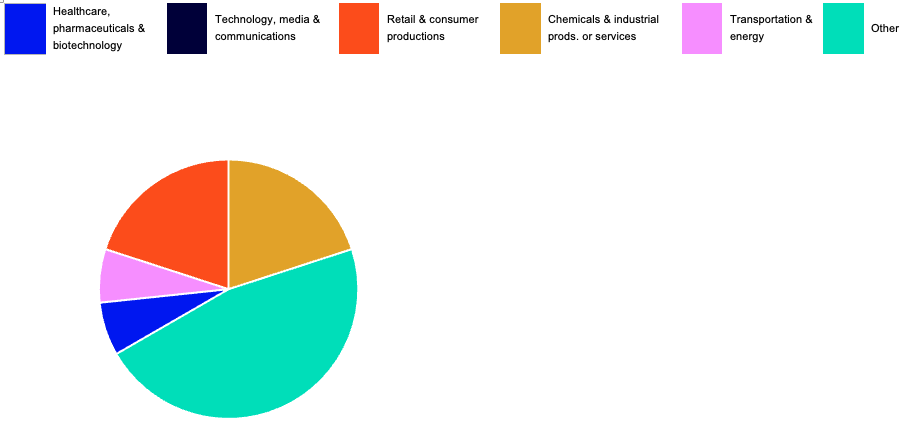
Number of enforcement actions in key industries1
Snapshot of selected enforcement actions2
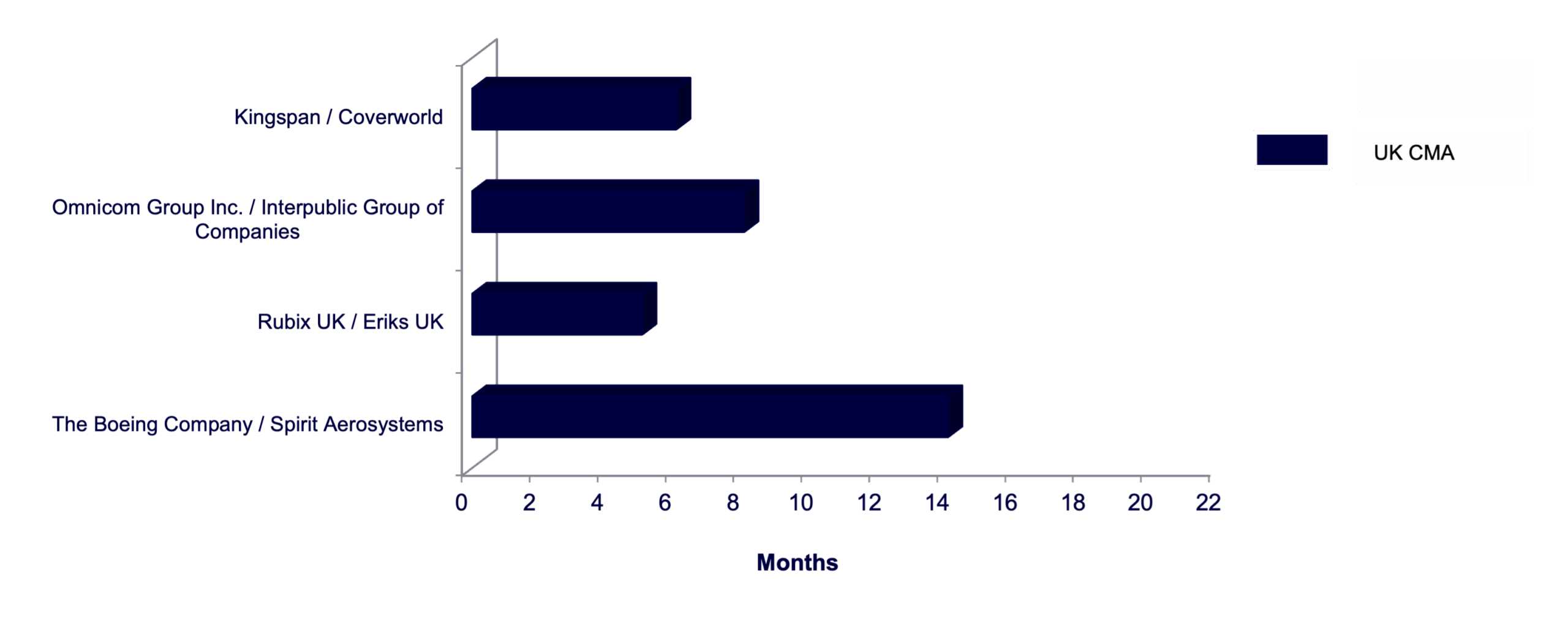
Time from signing to clearance











3 takeaways from US antitrust M&A activity in Q3 2025
ARTICLE
November 2025
Read time: 6 min
United States (US) antitrust enforcement in Q3 2025 reflects a pragmatic yet assertive approach under the Trump administration. While the US Department of Justice (DOJ) and Federal Trade Commission (FTC) are clearing mergers swiftly or resolving concerns through settlements, they remain vigilant on compliance – particularly with Hart-Scott-Rodino (HSR) obligations. Recent speeches and enforcement actions underscore a dual message: Regulators aim to facilitate dealmaking where competitive risks are minimal but will not hesitate to impose penalties or pursue litigation, when necessary.
DOJ antitrust head says its aim is to “get out of the way quickly” in most cases
In a speech before the Ohio State University Law School, US Assistant Attorney General (AAG) Gail Slater, the head of the DOJ Antitrust Division, noted that the guiding principle of her (and the Trump administration’s) antitrust enforcement philosophy is to enforce the nation’s competition laws “both vigorously and fairly, with clear rules that facilitate, rather than stifle, the ingenuity of [America’s] greatest companies.” AAG Slater said the DOJ’s job is to call balls and strikes and let the free market do its job, opining that the “vast majority of mergers do not give rise to competitive concerns, and in those cases, [the DOJ] aim[s] to get out of the way quickly.”
These comments are consistent with what we have seen with the Trump FTC and DOJ in 2025, as demonstrated by the number of merger settlements entered into this summer by the FTC and DOJ. Though AAG Slater’s remarks only represent the Antitrust Division’s enforcement philosophy, the FTC appears to be following a similar philosophy as the DOJ by clearing transactions unconditionally or entering into significantly more merger settlements as compared to the Biden administration.
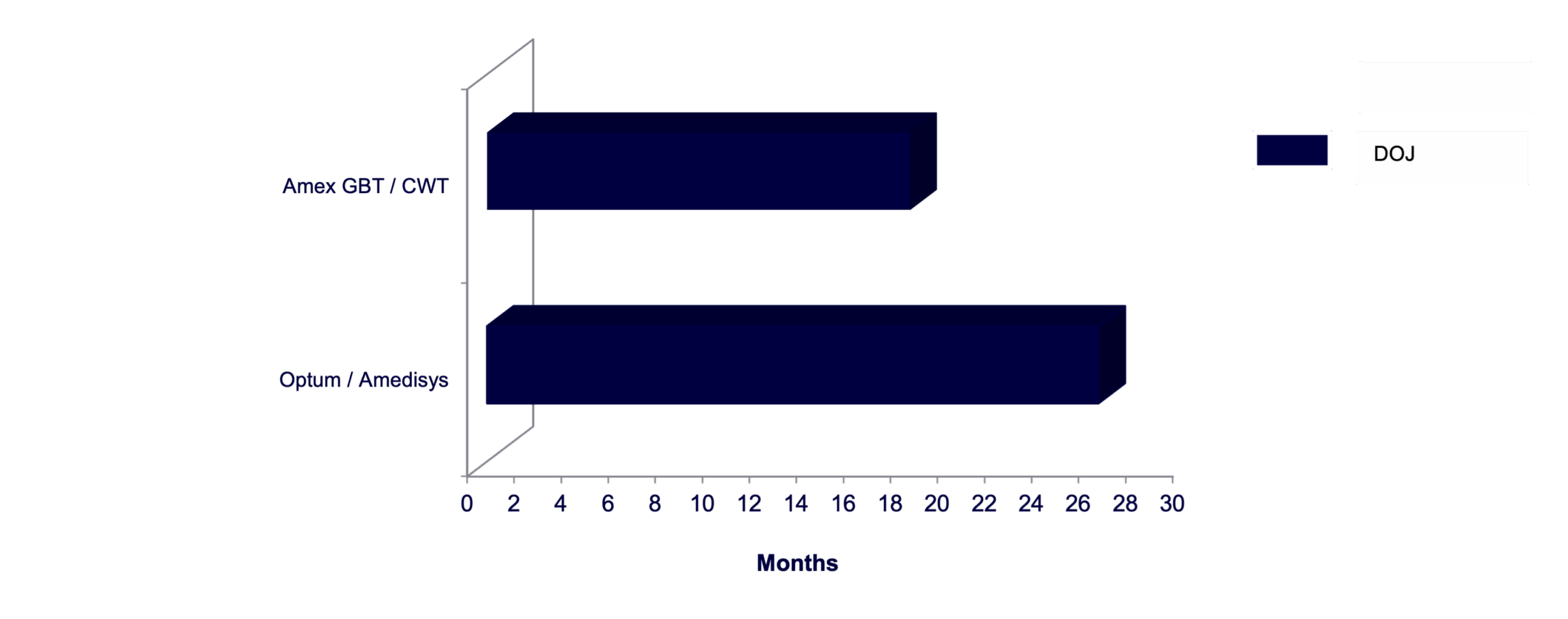
The chart below identifies the merger settlements entered into this summer and fall. It is important to note that the Trump DOJ agreed to settle two merger challenges brought by the Biden administration (Hewlett Packard Enterprise/Juniper Networks and United Health/Amedisys). Despite the merging parties proposing a settlement, the FTC elected to continue challenging GTCR’s acquisition of Surmodics, arguing that the divestiture proposed was not a stand-alone business and would not maintain competition. The Surmodics challenge demonstrates that the Trump antitrust regulators will still scrutinize proposed settlements and will not just accept any settlement if it does not address its concerns.
The chart below is provided as a refresher of the merger settlements entered into this summer and early fall.
Merger settlements in Q2/Q3 2025
| Merging parties | Settlement requirements | Antitrust agency |
| Synopsys/Ansys | Divestiture of optical software tools, photonic software tools, and consumption analysis tool | FTC |
| Keysight Technologies/Spirent Communications | Divestiture of high-speed ethernet testing, network security testing, and RF channel emulation businesses | DOJ |
| Safran/RTX | Divestiture of North American actuation business and related assets | DOJ |
| Hewlett Packard Enterprise/Juniper Networks | Mid-litigation divestiture of HPE Instant On business and license critical Juniper software to independent competitors | DOJ |
| UnitedHealth/Amedisys | Mid-litigation divestiture of 164 home health and hospice locations across 19 states | DOJ |
DOJ continues to pursue alleged HSR rules violations
Although the antitrust agencies are accepting more settlements, they are still aggressively investigating and prosecuting companies that they contend violate the HSR rules. As part of the UnitedHealth/Amedisys settlement referenced above, Amedisys agreed to pay a $1.1 million civil penalty and implement a compliance program to settle claims that it violated the HSR Antitrust Improvements Act (HSR Act) (15 U.S.C. § 18a) by allegedly falsely certifying that it had provided true, correct, and complete information in response to the DOJ’s merger investigation when it provided large volumes of information after that certification.
Amedisys is not the only company that has found itself in DOJ’s crosshairs. There have been a number of lawsuits related to HSR Act compliance either because parties allegedly provided false information or failed to comply with document production requirements. Former Assistant Attorney General for Antitrust Bill Rinner said in a speech earlier this summer that the division “will seek judicial sanctions where parties systematically abuse legal professional privilege or recklessly disregard professional duties by withholding or altering documents required by the HSR Act.”
AAG Slater announced the creation of the “Comply with Care” task force meant to resolve some of the challenges that the DOJ staff encounter with “problematic tactics” from outside lawyers and law firms – including what AAG Slater describes as delay tactics, privilege abuses, and destruction of evidence via failure to preserve ephemeral chat communications.
FTC and DOJ issue annual HSR report for FY 2024
The FTC and DOJ released the HSR Annual Report for FY 2024, which covers October 1, 2023, through September 30, 2024. While the report does not include the significant effects of the new HSR filing rules on parties making US premerger filings, it does contain key statistics regarding the number of filings overall and in specific sectors. In FY 2024, there were 2,031 transactions reported under the HSR Act, up from 1,805 the previous year. Roughly one-fourth of these transactions were valued at $1 billion or more. The agencies took action against 32 transactions – 18 by the FTC and 14 by the DOJ – resulting in abandonments, the restructuring of deals, or federal court litigation. Below are more key statistics on the number of challenged transactions and abandonments.
| FTC | DOJ | Total (percentage of transactions reported) | |
| Clearance granted to agency | 103 | 81 | 184 (9.0%) |
| Second requests | 30 | 29 | 59 (3.0%) |
| Enforcement actions against transactions | 18 | 14 | 32 (1.6%) |
| Abandonments/restructured transactions | 12 | 14 | 26 (1.3%) |
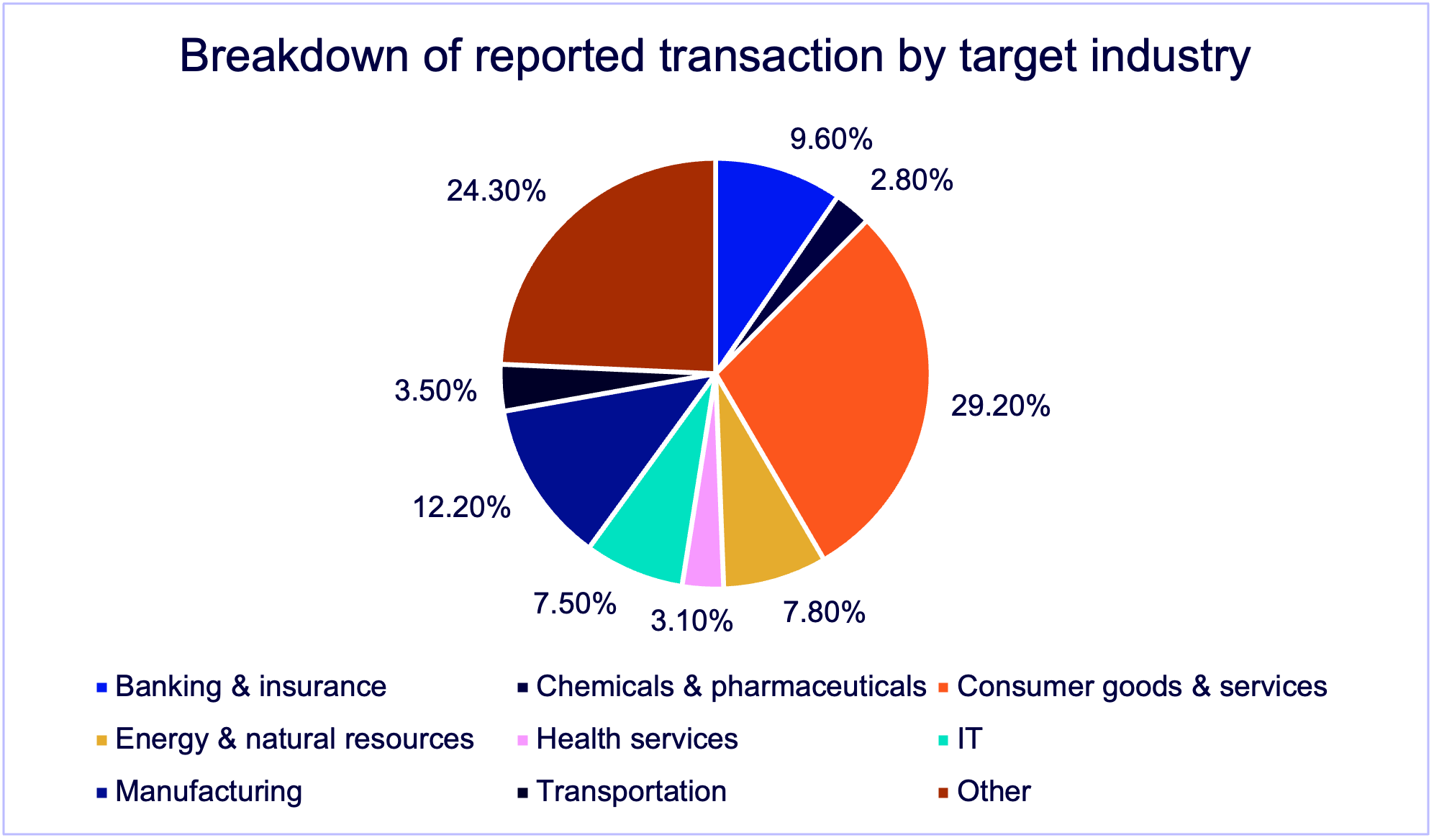
Below is the industry breakdown of adjusted transactions based on the acquired entity’s operations.
US M&A Activity: By the numbers
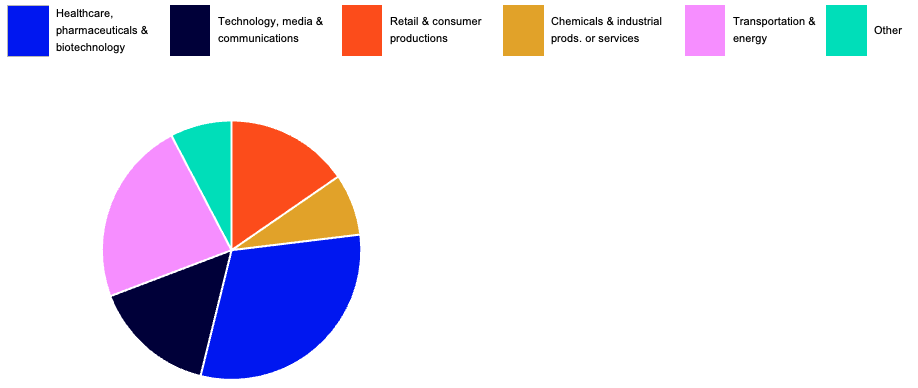
Number of enforcement actions in key industries1
Snapshot of selected enforcement actions2
Time from signing to consent or investigation closing

Healthcare Regulatory Check-Up Newsletter | September 2025 Recap
REPORT
October 2025
Read time: 5 min
This issue of McDermott Will & Schulte’s Healthcare Regulatory Check-Up highlights regulatory activity for September 2025, including an update on the Centers for Medicare & Medicaid Services (CMS) Rural Health Transformation (RHT) Program and a new prior authorization demonstration for certain cosmetic services provided in ambulatory surgical centers (ASCs). We review enforcement actions focusing on allegations under the federal Anti-Kickback Statute (AKS) and False Claims Act (FCA), and examine the latest advisory opinion (AO) and reports from the US Department of Health and Human Services (HHS) Office of Inspector General (OIG). We also discuss HHS’s enforcement crackdown on information blocking, the Make American Healthy Again (MAHA) Commission’s recent “Make Our Children Healthy Again” strategy document, the upcoming US Food and Drug Administration (FDA) Digital Health Advisory Committee meeting on artificial intelligence (AI)-enabled mental health devices, and more.
Click each heading below for a sneak peek of related content.






Healthcare Regulatory Check-Up Newsletter | August 2025 Recap
REPORT
September 2025
Read time: 6 min
This issue of McDermott Will & Schulte’s Healthcare Regulatory Check-Up highlights regulatory activity for August 2025, including the formation of a joint Healthcare Advisory Committee between the US Department of Health and Human Services (HHS) and the Centers for Medicare & Medicaid Services (CMS), the launch of the US Food and Drug Administration (FDA) PreCheck program to boost domestic pharmaceutical manufacturing, and the latest legal challenges to executive orders targeting gender-affirming care. We review enforcement actions focusing on allegations under the federal Anti-Kickback Statute (AKS), the False Claims Act (FCA), and other fraud and abuse laws, and examine an advisory opinion issued by the HHS Office of Inspector General (OIG) regarding the AKS small entity investment safe harbor. We also discuss recent court developments in FCA litigation, new CMS oversight initiatives targeting risk adjustment and eligibility compliance, and continuing OIG scrutiny of remote patient monitoring and global surgery valuation.
Click each heading below for a sneak peek of related content.






Credit Conditions: The latest private credit and debt market trends | Q3 2025
REPORT
September 2025
Read time: 2 min
Welcome to this edition of Credit Conditions, a quarterly publication that analyzes recent debt market trends.
The third quarter of 2025 saw momentum return to the market with M&A deals rebounding, the broadly syndicated loan market roaring back to record volumes, and private credit evolving structurally with new access for retail investors. Yet beneath the surface, mixed macro signals and distress concerns have kept dealmakers cautious.
For more, access our Credit Conditions resource page.








Major ECJ decision confirms when data may be anonymous in the hands of third parties
ARTICLE / INTERNATIONAL NEWS
September 8, 2025
Read time: 6 min
On 4 September, the ECJ handed down a major and eagerly awaited decision on the scope of personal data, accepting the point that pseudonymised data may be anonymised in the hands of a third party.
The ECJ’s approach is consistent with the approach of the UK data protection authority guidance, which we summarised earlier this year in an article, ‘What ICO guidance on anonymisation means for health and life sciences companies’.
The decision will be widely welcomed as good news and a victory for common sense, particularly in the life sciences sector.
Background
The background to the case was the sharing of a dataset by the Single Resolution Board (SRB) with Deloitte, which had been tasked by SRB with carrying out a valuation of the effects of a resolution procedure on shareholders and creditors.
SRB took a series of steps to protect the dataset shared with Deloitte, including applying pseudonymisation measures to the dataset. Deloitte had no access to the original database, and SRB retained a code which allowed it to reidentify the dataset. The dataset sent to Deloitte included an alphanumeric code but not the reidentification code. SRB did not include information in its privacy notice that Deloitte was a potential recipient of the personal data.
Following this sharing, the European Data Protection Supervisor (EDPS) received five complaints from data subjects and found that the data was personal data (pseudonymised) because SRB retained the reidentification code.
SRB did not look at the data from Deloitte’s perspective (i.e., in Deloitte’s hands). The view of the EDPS was that it was enough for the data to be personal data because SRB had the reidentification code.
At the heart of the dispute was whether anonymisation should be an absolute or relative test. The EDPS adopted an absolute approach, and if the court had accepted EDPS’s view, this would mean it would never be possible for data to be anonymous if any person retained the code.
The key legal question reviewed by the ECJ was whether the data relates to identified or identifiable persons. It was accepted that the persons were not identified, so the key point is whether the persons were identifiable.
The court rejected the EDPS position here.
Instead, the ECJ confirmed that, contrary to the opinion of the EDPS and EDPB, pseudonymised data may, depending on the circumstances of the case, ensure that persons are no longer identifiable. More importantly, the ECJ found that the fact that SRB held the reidentification code did not necessarily mean the data was personal data.
Instead, it was possible to put oneself in Deloitte’s position to decide whether the data was identifiable. Here, the EDPS had not properly looked (as it should have done based on the Breyer case) at whether Deloitte had legal means available to it which could, in practice, enable it to access the additional information necessary to re-identify the persons.
As the EDPS had not looked at Deloitte’s perspective, the court held that it was not possible for EDPS to conclude that the data was personal data.
However, it is important to note that the court did agree with EDPS in one respect – and that is that SRB, as data controller, had breached its transparency obligations because it did not tell data subjects that the data was being transmitted to Deloitte, regardless of whether such data was personal data from Deloitte’s perspective.
What next?
First, this ruling confirms that pseudonymisation may be recognised as an anonymisation technique in certain cases, which has always been challenged by several EU Data Protection Authorities.
Second, it is very helpful to have a decision that says that an absolute approach to anonymisation is not always required – the court affirms the relative approach and says that the perspective of the recipient is the one to be considered, i.e., in assessing anonymisation, a “whose hands” test is relevant.
However, it was accepted by the parties that the data was personal data in SRB’s hands. Hence, SRB needed to tell data subjects about who it was sending their data to. This raises interesting questions about the scope and nature of transparency and would indicate to an expansive transparency notice.
Finally, given that the decision goes against the approach that had been advocated by data protection authorities, including in recent draft guidance, it is likely that the debate to shift to how to assess the re-identification risks in the hands of the recipient, and what is meant by “reasonable means” to re-identify. Interestingly, the ECJ included a reminder in the decision that the re-identification risk must be reasonably likely, noting that the court had previously decided that this risk is insignificant where identification of a data subject would be prohibited by law or impossible in practice, because it would involve a disproportionate effort in terms of time, cost, and labour (ECJ, 7 March 2024, OC v European Commission, C 479/22). It will be interesting to review the next steps and guidance issued by authorities.
How can we help?
Our expert teams provide extensive support to clients in developing anonymisation and pseudonymisation strategies and work with clients in negotiating and developing agreements for the re-use of personal data.
We are working with clients to evaluate the impact of this decision on their data processing operations and adapting their privacy risk assessments and strategies in the context of pseudonymised environments.



Healthcare Regulatory Check-Up Newsletter | July 2025 Recap
REPORT
August 2025
Read time: 5 min
This issue of McDermott Will & Schulte’s Healthcare Regulatory Check-Up highlights regulatory activity for July 2025, including the results of the US Department of Justice’s (DOJ) 2025 National Health Care Fraud Takedown, DOJ and the US Department of Health and Human Services’ (HHS) new False Claims Act (FCA) Working Group, and three Office of Inspector General (OIG) advisory opinions. We discuss a pharmaceutical company’s challenge to the FCA qui tam provisions. This issue also reviews key proposals in the calendar year (CY) 2026 Physician Fee Schedule (PFS) proposed rule and the CY 2026 Hospital Outpatient Prospective Payment System (OPPS) and Ambulatory Surgical Center (ASC) Payment System proposed rule, as well as finalized policies in the fiscal year (FY) 2026 Medicare Hospital Inpatient Prospective Payment System (IPPS) final rule.
Click each heading below for a sneak peek of related content.





A breakdown of the latest EU and UK antitrust M&A news
ARTICLE
August 2025
Read time: 6 min
In a parallel push to modernize antitrust oversight, key European regulators, including the European Commission (EC) and the United Kingdom’s Competition and Markets Authority (CMA), are simultaneously reforming their merger control frameworks. Both agencies have launched public consultations aimed at updating their guidelines to better address contemporary economic challenges, such as digitalization, supply chain resilience, and geopolitical shifts, with the shared goal of ensuring their rules remain effective and provide greater legal certainty in a rapidly evolving global market.
European Commission launches public consultation on EU merger guidelines review
On May 8, 2025, the EC initiated a comprehensive public consultation aimed at revisiting and modernizing the two EU merger guidelines. These guidelines serve as the core framework for how the EC evaluates the competitive impact of mergers and acquisitions within the European Union. The review is timely, given the rapidly evolving economic landscape shaped by digitalization, sustainability imperatives, geopolitical shifts, and the increasing strategic importance of certain sectors.
The review encompasses the 2004 horizontal merger guidelines, which govern concentrations between actual or potential competitors, and the 2008 non-horizontal merger guidelines, which cover vertical and conglomerate mergers. While the EC has already adapted its enforcement practice in response to structural market changes – such as globalization, digitalization, and technological innovation – this formal review seeks to ensure that the substantive assessment framework remains fully aligned with contemporary market dynamics. This formal review, however, is intended to preserve the effectiveness and legal certainty of EU merger control in addressing present and emerging market challenges.
A key feature of the EC’s initiative is the publication of seven focused discussion papers, each addressing a distinct and strategically significant area of merger control. These papers delve into a broad spectrum of contemporary issues, including:
- Economic resilience and supply chain security
- Evolving competitive dynamics and market concentration
- The role of technological innovation in shaping market structures
- Environmental sustainability and the green transition
- Digital transformation and data-driven business models
- Efficiencies and their assessment in merger analysis
- Defense and security-related considerations in light of geopolitical developments and labor-market impacts and the intersection of competition and employment policy
Among the key themes explored in the discussion papers are the challenges the EC faces in assessing innovation and efficiencies – two areas that have become increasingly central to merger analysis in dynamic and fast-evolving markets. The EC has recognized the challenges inherent in assessing the impact of mergers on innovation within the framework of the guidelines reform, as these effects are fundamentally less predictable than conventional pricing effects. Mergers may foster innovation by combining complementary research and development (R&D) capabilities, but they can also suppress it by removing competitive pressure between innovators – especially in sectors like technology and pharmaceuticals. A central challenge lies in defining the appropriate counterfactual – what the innovation landscape would look like absent the merger – which is often speculative and uncertain. To address these complexities, the EC is working to develop a more structured analytical framework that can better capture dynamic innovation effects alongside more immediate competitive concerns.
Similarly, the EC is reexamining how efficiencies are assessed under the current merger guidelines. While efficiencies can play a critical role in offsetting potential anticompetitive effects, they must meet strict criteria: they must be merger-specific, verifiable, and demonstrably beneficial to consumers. In practice, however, the EC deems these benefits often uncertain, long-term, and harder to quantify, especially in comparison to more immediate and tangible harms to competition. This asymmetry can present analytical challenges, particularly in vertical and conglomerate mergers where the assessment of efficiencies tends to be more complex.
The consultation process is designed to be inclusive and participatory, inviting input from a wide range of stakeholders, including individual citizens, businesses, industry associations, legal practitioners, economists, and academics. Feedback can be submitted through two channels: a general questionnaire aimed at the broader public, and a more technical, in-depth questionnaire intended for stakeholders with specialized knowledge or experience in competition law and economics.
The deadline for submitting responses is September 3, 2025. This inclusive approach reflects the EC’s commitment to transparency and stakeholder engagement in shaping future competition policy.
CMA advances merger control reform with new public consultation
Building on its March 2025 initiatives, the UK CMA continued to modernize its merger control regime throughout the second quarter of the year. Following the launch of a review into merger remedies and the introduction of the Mergers Charter, the CMA has now turned its focus to broader procedural and jurisdictional reforms.
The updated guidance, effective from January 1, 2025, introduces higher turnover thresholds, a safe harbor within the share of supply test, and a hybrid jurisdictional test. These changes aim to better reflect the realities of digital and platform-based markets while providing greater legal certainty for merging parties.
In June 2025, the CMA launched a public consultation to further refine its merger guidance and notification procedures. This initiative complements the earlier introduction of the Mergers Charter and seeks to embed its principles – pace, predictability, proportionality, and process – more deeply into the CMA’s operational framework. The consultation explores how the merger review process can be made more efficient and transparent, including proposed changes to the merger notice template and clarifications on the assessment of material influence and share of supply. The CMA is also considering adjustments to the Phase 1 review process to streamline engagement and reduce administrative burdens.
These developments reflect a broader strategic effort to modernize UK merger control in response to digital transformation, geopolitical shifts, and the increasing importance of economic resilience. While the CMA has already adapted its enforcement practices to address these challenges, the current reforms aim to codify those adaptations and provide greater legal certainty for businesses and their advisors.
The consultation remains open to a wide range of stakeholders, with feedback expected to inform further guidance and policy proposals later in 2025.
EU and UK M&A activity: By the numbers
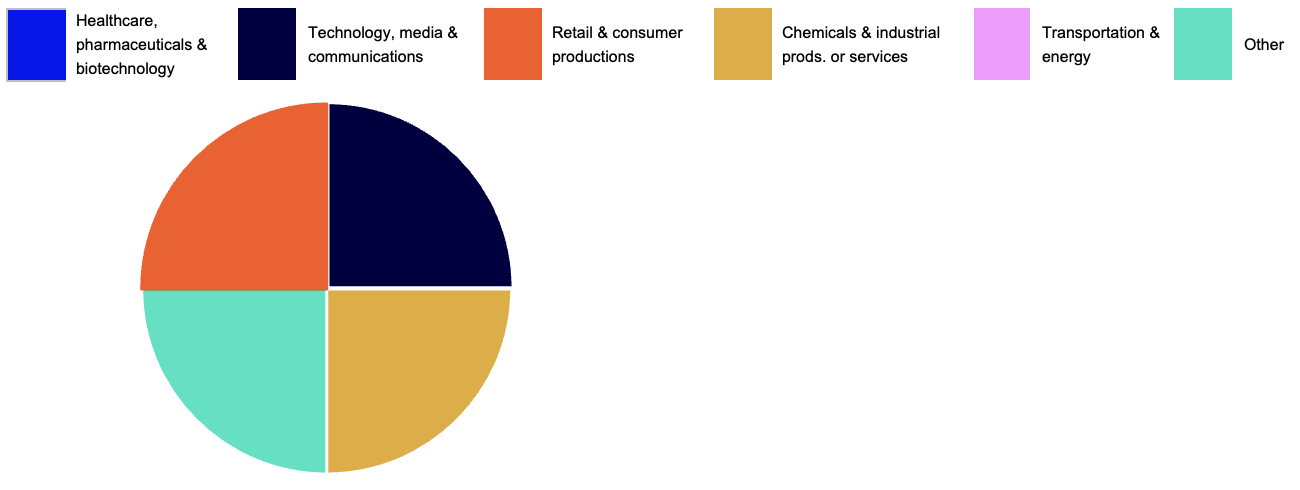
Number of enforcement actions in key industries1
Snapshot of selected enforcement actions2
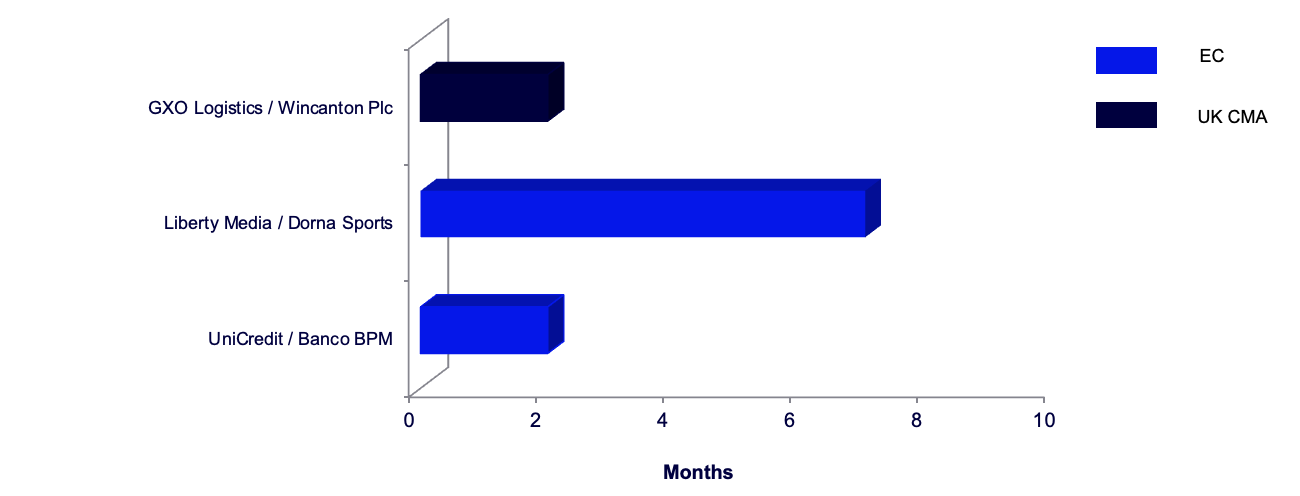
Time from signing to clearance



3 takeaways from US antitrust M&A activity in Q2 2025
ARTICLE
August 2025
Read time: 5 min
Under the second Trump administration, the Federal Trade Commission (FTC) and Department of Justice (DOJ) have signaled a significant departure from the antitrust enforcement policies of the Biden administration. This new approach is characterized by a renewed willingness to accept structural remedies, such as divestitures, to resolve competitive concerns in mergers. Alongside this, the agencies are actively working to accelerate the merger review process, reinstating early terminations of the Hart-Scott-Rodino waiting period to allow non-problematic deals to close more quickly.
Return of structural remedies
The Federal Trade Commission (FTC) and Department of Justice (DOJ) under President Donald Trump have made good on their promises to accept structural remedies, i.e., remedies involving divestitures, to resolve concerns with transactions. In recent months, the FTC announced a settlement regarding Synopsys’ acquisition of Ansys, while the DOJ entered into settlements allowing three transactions to proceed: Hewlett Packard Enterprise (HPE) / Juniper Networks, Safran / Raytheon, and Keystone / Spirent. This flurry of consent decrees stands in contrast to the Biden administration, which did not accept a prelitigation divestiture for the last two years of its administration and strongly disfavored merger remedies.
Despite the current agencies’ willingness to enter into settlements, they have emphasized the importance of “clean” divestitures and strong divestiture buyers. FTC Commissioner Melissa Holyoak, for example, has stated that the FTC will not hesitate to litigate when a proposed remedy is inadequate. In Synopsys / Ansys, FTC Chair Andrew Ferguson issued a statement, joined by the two other commissioners, outlining the FTC’s stance on merger remedies. Ferguson noted the benefits of merger settlements, including allowing the procompetitive aspects of a merger to proceed and conserving finite agency resources. Nevertheless, he emphasized that the FTC must be “clear-eyed” about the dangers of inadequate settlements. In particular, Ferguson stated that the FTC ordinarily will not accept a structural remedy unless it involves the sale of a standalone or discrete business, and the divestiture buyer has the resources and experience necessary to make that standalone business competitive. As for behavioral remedies, Ferguson said the FTC should approach such remedies with “substantial caution.” The Trump FTC did accept a behavioral remedy to resolve its concerns with Omnicom / Interpublic, but that was an atypical behavioral remedy aimed at addressing concerns about suppression of conservative speech.
Following the settlement of United Health / Amedisys and the withdrawal of the litigation against AMEX GBT / CWT, one merger challenge is proceeding to trial: GTCR BC Holdings, LLC / Surmodics, Inc.
Agencies continue to promote reaching merger decisions quickly
Consistent with the current, more business-friendly attitudes of the FTC and DOJ toward dealmaking, the two agencies also are making efforts to allow nonproblematic mergers to proceed more quickly. The FTC has brought back the practice of granting early termination of the Hart-Scott-Rodino (HSR) waiting period, a practice the FTC suspended under the Biden administration. FTC Commissioner Holyoak has stated that requests for early termination will help reduce the workload of FTC staff and help parties close transactions more quickly. Since restarting the early termination program, the FTC has granted more than 100 early termination requests. Assistant Attorney General (Antitrust Division) Gail Slater has stated that the DOJ has been looking for other ways to speed up the merger review process, as well. FTC Chair Ferguson said that the FTC “must get out of the way quickly” when a merger would not violate antitrust laws, to avoid bogging down innovation and interfering with the free market. These statements stand in contrast with the approach of Biden administration enforcers, which was to try to slow down dealmaking generally.
The rise of “America First Antitrust”
The FTC and DOJ appear willing to promote Trump administration goals through their antitrust enforcement programs. In her first public address as assistant attorney general of the Antitrust Division, Gail Slater discussed the concept of “America First Antitrust,” focused on the needs of “forgotten” workers and consumers, small businesses, manufacturing, and family-owned agribusiness. She went on to say that deregulation and transparency are key to these efforts.
In Omnicom / Interpublic, the FTC required an unusual behavioral remedy aimed at protecting conservative speech, a concern of the Trump administration. The settlement prohibits Omnicom from directing advertising spend toward or away any media publisher based on the publisher’s political or ideological viewpoints. The FTC entered into this settlement despite FTC Chair Ferguson’s statement in Synopsys / Ansys that the FTC should approach behavioral remedies with “substantial caution.”
US M&A activity: By the numbers
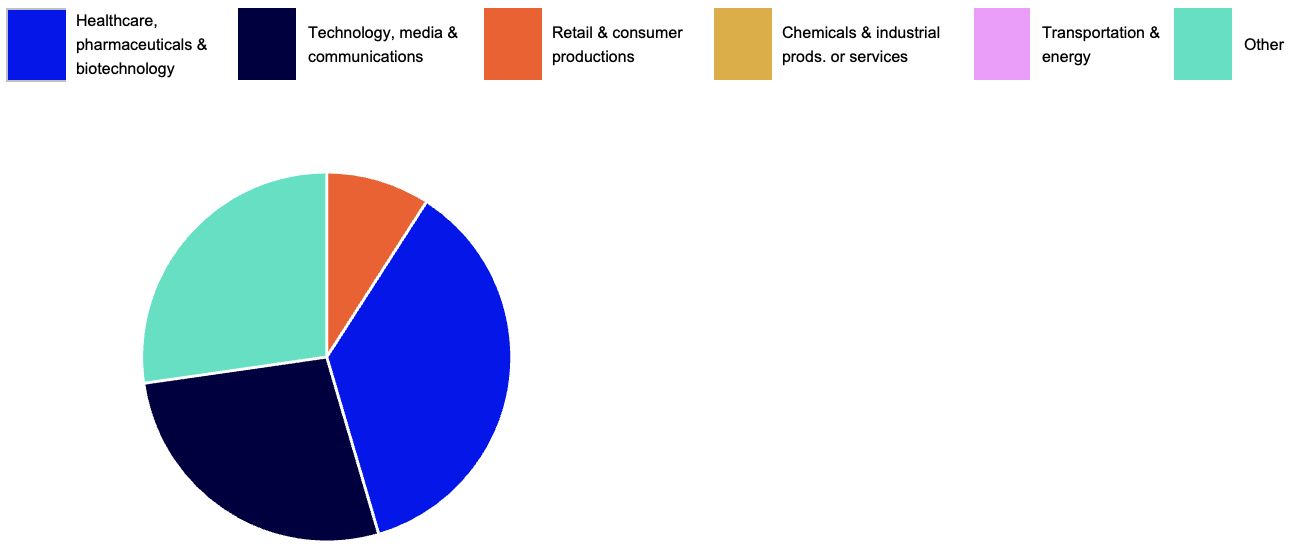
Number of enforcement actions in key industries1
Snapshot of selected enforcement actions2
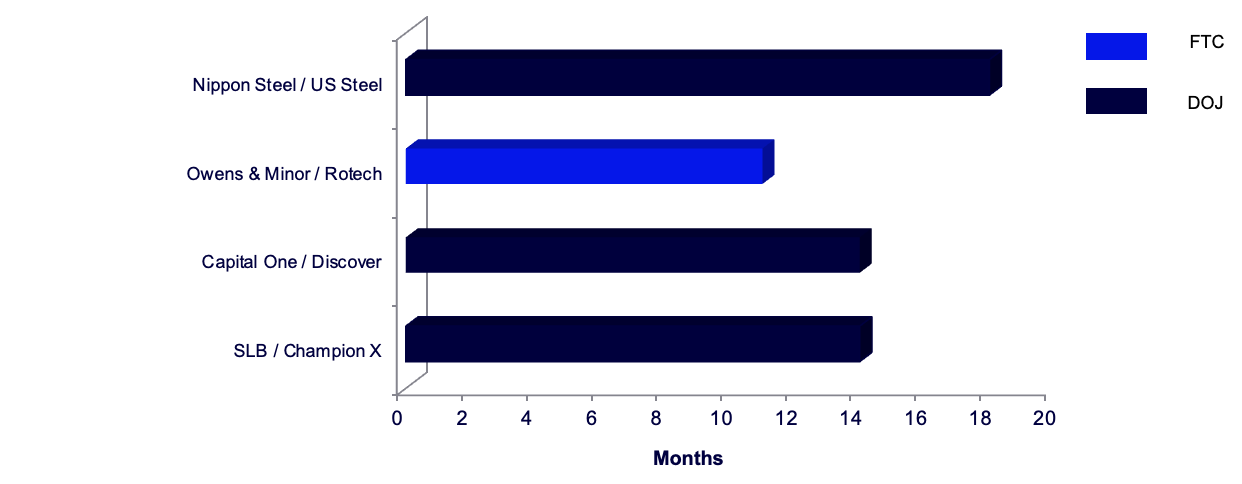
Time from signing to consent or investigation closing

Healthcare Regulatory Check-Up Newsletter | June 2025 Recap
REPORT
July 2025
Read time: 7 min
This issue of McDermott’s Healthcare Regulatory Check-Up highlights regulatory activity for June 2025, including a new Centers for Medicare & Medicaid Services (CMS) innovation model; proposed rules with significant implications for durable medical equipment, prosthetics, orthotics, and supplies (DMEPOS) suppliers and Medicare enrollment; and rescission of Biden-era Emergency Medical Treatment and Labor Act (EMTALA) guidance with respect to hospitals’ obligation to provide emergency abortion care. This month’s summary features landmark Supreme Court of the United States decisions on preventive care under the Affordable Care Act (ACA) and gender-affirming care. We also discuss enforcement actions focusing on allegations under the federal Anti-Kickback Statute (AKS), the False Claims Act (FCA), and other fraud and abuse laws. This issue examines three advisory opinions issued by the US Department of Health and Human Services (HHS) Office of Inspector General (OIG) regarding a telehealth employee lease agreement, a proposed arrangement for a medical device company to cover the cost of exclusion checks for its customers, and a proposed arrangement under which a manufacturer would pay up to $2,500 for actual injuries caused by device failure during a warranty period. We also discuss recent US Department of Justice (DOJ) enforcement priorities.
Click each heading below for a sneak peek of related content.
Quinn Kopelman, a summer associate in the Chicago office, also contributed to this newsletter.