
ARTICLE / CLIENT ALERT
Texas governor signs SB 1318 limiting noncompete provisions for healthcare practitioners
July 1, 2025
Read time: 3 min
Texas has enacted Senate Bill (SB) 1318, which amends Texas’s Business and Commerce Code and makes key changes to noncompete provisions against physicians and other licensed providers. The bill, signed by Texas Governor Greg Abbott on June 20, 2025, will take effect on September 1, 2025. SB 1318 expands current noncompete restrictions set forth under Section 15.50 of the Texas Business and Commerce Code and extends the statute’s application to other healthcare practitioners, including dentists, nurses, and physician assistants. The revisions to Section 15.50 and (new) Section 15.501 will apply to agreements “entered into” or “renewed” on or after September 1, 2025.
Key takeaways
SB 1318’s changes impose stricter limitations on noncompete covenants as applied to physicians and will extend such limitations to other healthcare practitioners. The changes include:
- Buyout. The bill revises Section 15.50’s buyout requirement such that the buyout option cannot exceed the physician’s total annual salary and wages at the time of contract termination. This is a departure from current language allowing for a buyout at a “reasonable” amount, upon agreement by the parties, or as determined by a court-appointed arbitrator.
- Duration. The bill adds a provision requiring that a noncompete covenant expire within one year of the termination of the contract or employment.
- Geographical scope. The bill limits the geographical scope of noncompete covenants to a five-mile radius from the location where the physician primarily practiced before the termination of the contract or employment.
- Terms. The bill requires terms and conditions to be clearly and conspicuously stated in writing.
- Unenforceable against involuntarily discharged physicians. The noncompete will be void and unenforceable against any physician licensed by the Texas Medical Board who is involuntarily discharged from their contract or employment without good cause. For purposes of this provision, “good cause” means a reasonable basis for discharge of a physician that is directly related to the physician’s conduct, including the physician’s conduct on the job or otherwise, job performance, and contract or employment record.
- Expansion to other practitioners. The bill extends the noncompete restrictions to other healthcare practitioners, including dentists, professional or vocational nurses, and physician assistants.
- Exclusion for administrative services. The bill expressly excludes the management or direction of medical services in an administrative capacity from the noncompete requirements.
Physicians and healthcare entities should be aware of these changes and plan accordingly. The modifications to buyout provisions, geographical limitations, and duration of covenants may impact contract negotiations and employment agreements.
For more information about SB 1318 and its potential impact on physician agreements, contact one of the authors of this article or any other member of McDermott’s Health & Life Sciences Practice Group.






From risk to relief: PE firm avoids prosecution with swift disclosure
ARTICLE / CLIENT ALERT
From risk to relief: PE firm avoids prosecution with swift disclosure
July 1, 2025
Read time: 14 min
In June 2025, the US Department of Justice (DOJ) announced that it declined to prosecute a private equity firm and its affiliates following the firm’s voluntary self-disclosure of criminal violations of US sanctions and export laws committed by a company it acquired. This case – the first instance in which DOJ declined to prosecute an acquiring company under the M&A Safe Harbor Policy unveiled in October 2023 – illustrates the benefits of prompt voluntary self-disclosure for private equity firms and other acquirors that uncover criminal violations following an M&A transaction.
Background
On June 16, 2025, DOJ’s National Security Division (NSD) and the US Attorney’s Office for the Southern District announced that they declined to prosecute private equity firm White Deer Management LLC and its affiliates after White Deer acquired Texas-based Unicat Catalyst Technologies LLC. Following the acquisition, White Deer discovered that Unicat had a history of sanctions and export control violations and had falsified invoices to reduce tariff payments. Upon learning of the misconduct, White Deer promptly halted the unlawful activities, engaged outside counsel, and voluntarily self-disclosed the potential violations to DOJ’s NSD prior to completing its internal investigation.
The self-disclosed wrongdoing by Unicat was serious and wide-ranging. According to DOJ, Unicat’s former CEO – who was also a seller of the business – conspired to violate US sanctions and export control laws by making unlawful sales of specialized chemical catalysts used in oil refining and steel production to Iran, Venezuela, Syria, and Cuba. To conceal these dealings, the conspirators falsified export documentation and financial records by misrepresenting customer identities and assuring unwitting employees that the sanctioned sales were lawful. Unicat reaped approximately $3.33 million in revenue from these unlawful sales.
Crucially, the acquired company engaged in additional trade violations beyond sanctions and export controls violations. DOJ reported that Unicat’s executives “falsified invoices to reduce the tariffs” on imports of Chinese-origin catalysts. By undervaluing imports from China, Unicat evaded approximately $1.66 million in customs duties, taxes, and fees. During the sale process, Unicat actively concealed these issues from the buyer when Unicat’s prior owners falsely gave contractual representations and warranties attesting to compliance with US sanctions and export laws.
Post-acquisition compliance efforts
After the acquisition closed, the misconduct came to light when a new CEO installed by the private equity firm finally gained on-site access (delayed by COVID-19 travel restrictions) and discovered a pending transaction with an Iranian customer. White Deer’s management immediately canceled the suspected deal, retained counsel, launched an internal investigation, and made a voluntary self-disclosure (VSD) to DOJ/NSD within about one month upon confirming likely criminal violations. White Deer and Unicat spent more than $4 million on investigation and remediation efforts, including (among other actions):
- Conducting an “extensive, thorough, and robust” internal investigation;
- Proactively disclosing foreign-located records and voluntarily making foreign-based employees available for interviews;
- Terminating employees involved in the misconduct;
- Implementing a risk-based trade compliance policy;
- Appointing a trade compliance manager;
- Establishing periodic audits and risk assessments of the company’s compliance program; and
- Implementing enhanced compliance requirements in third-party supplier and sales agent agreements.
Regulatory outcomes
DOJ announced it would decline to prosecute White Deer as the acquiror, crediting the firm’s prompt disclosure and full cooperation. This DOJ declination for White Deer is the first known instance of the M&A Safe Harbor Policy – announced in October 2023 and implemented in March 2024 – being applied to spare an acquiring company from prosecution. DOJ officials highlighted that the decision “reflects [NSD’s] strong commitment to rewarding responsible corporate leadership” when companies “uncover misconduct, stop it, and quickly report it” after an acquisition.
DOJ specifically noted that White Deer’s actions satisfied the M&A Safe Harbor Policy’s requirements, including that:
- White Deer completed a bona fide, arm’s-length acquisition;
- No preexisting disclosure obligation required White Deer to disclose the misconduct;
- The disclosure was timely under the given circumstances (even though the disclosure occurred 10 months after the acquisition);
- White Deer and the company provided “exceptional and proactive cooperation”; and
- The misconduct was timely and appropriately remediated less than one year from the date of discovery.
Instead, DOJ focused enforcement on the culpable parties and the acquired company itself:
- The former CEO of Unicat, Mani Erfan, pleaded guilty to conspiracy to violate US sanctions (among other charges) and faces criminal penalties, including a $1.6 million forfeiture judgment. Another Unicat insider also was prosecuted separately (as indicated by DOJ’s related case announcements).
- The acquired company, Unicat, entered a non-prosecution agreement (NPA) with DOJ, under which it agreed to pay $3.325 million in forfeiture (disgorgement of the illegal proceeds). While the NPA means Unicat avoids criminal conviction, it must comply with ongoing obligations.
Multiagency coordination
Notably, these resolutions were coordinated with civil regulators. In parallel with DOJ’s declination, the Office of Foreign Assets Control (OFAC) imposed a $3.88 million penalty for Unicat’s apparent sanctions violations of programs implemented under the International Emergency Economic Powers Act, and the Commerce Department’s Bureau of Industry and Security (BIS) imposed a $391,183 penalty for Unicat’s violations of the Export Administration Regulations (EAR). To avoid double-counting, DOJ agreed to credit Unicat’s $3.325 million forfeiture against the OFAC fine, and BIS’s penalty was largely satisfied by the OFAC payment credit. Additionally, US Customs and Border Protection (CBP) separately collected about $1.655 million in underpaid duties and fees from Unicat to resolve the tariff-evasion aspect of the scheme. These coordinated outcomes underscore that voluntary disclosure does not erase civil liability – the acquired business still bore substantial financial penalties for its pre-sale misconduct – but cooperation can streamline resolutions and avoid compounding penalties.
Implications for sanctions enforcement and post-acquisition disclosures
- Heightened enforcement focus on M&A: This case sends a clear message that US enforcement agencies are closely attuned to misconduct uncovered through mergers and acquisitions. Sanctions and export control violations at acquired companies expose both the sellers and wrongdoers to serious consequences, and now DOJ has a framework to reward acquirors for bringing such issues to light. We see cross-agency coordination in action: DOJ, OFAC, BIS, and CBP all took part. For the acquiring firm, voluntary disclosure led to a far more favorable outcome than if the violations had been discovered by the government later. By self-reporting, the acquiror avoided criminal charges entirely, whereas a failure to disclose could have left the new owners on the hook under “successor liability” for the target’s sanctions breaches. The case illustrates that regulators will use all tools available (e.g., criminal, civil, and administrative penalties) to address legacy compliance failures, but they are willing to show substantial leniency to an acquiror that comes forward proactively.
- Expanded risk exposure – beyond sanctions: Notably, the White Deer/Unicat matter demonstrates that sanctions and export control violations often come packaged with other legal violations. Here, the target’s misconduct extended to falsifying import invoices and evading tariffs. US tariffs have been expanded significantly during the first half of 2025 and are expected to remain in place for the foreseeable future and grow increasingly complex. While companies should consider various legal methods to mitigate the impact of tariffs, there is increased risk – including criminal liability – for violations related to misrepresenting the value of imported goods and falsifying import documentation.Private equity buyers should recognize that if a company has violated sanctions or export control laws, there may also be tax, customs, anti-money laundering, or fraud issues lurking beneath the surface. US authorities uncovered both national security offenses (sanctions/export violations) and financial crimes (customs fraud and false records) in Unicat’s scheme. This broadens the scope of post-acquisition risk: A voluntary disclosure might need to be made not only to DOJ’s NSD, but potentially to agencies like OFAC, BIS, or CBP, depending on the violations. In cross-border deals, multiple jurisdictions may be involved as well.The M&A Safe Harbor Policy itself is US-focused, but global acquirors should be mindful that sanctions enforcers in the European Union (EU) and United Kingdom (UK) are also ramping up oversight. For instance, a new EU directive requires member states to treat voluntary self-reporting of sanctions violations as a mitigating factor in penalties. While the EU has not established a formal M&A safe harbor, European regulators and the UK’s Office of Financial Sanctions Implementation (OFSI) similarly encourage early disclosure and remediation of sanctions breaches as part of an effective compliance program. In short, whether under US or European regimes, firms that uncover historical misconduct must not turn a blind eye, as coming forward promptly can significantly reduce legal exposure.
- Continued compliance obligations: Even with DOJ declining to prosecute the acquiror, the case isn’t “over” once self-disclosure is made. The acquired company, now part of the acquiror’s portfolio, had to implement robust remediation: terminating or disciplining wrongdoers, overhauling internal controls, and enhancing its trade compliance program. In fact, in evaluating the safe harbor, DOJ looked favorably on the fact that Unicat remediated the root causes within a year, updated compliance procedures, and even sought reimbursement from the sellers for the damages caused. Acquiring firms should be prepared to invest in compliance integration and remediation post-closing. This not only helps secure leniency but also protects the business going forward. DOJ’s policy makes clear that it places “an enhanced premium on timely compliance-related due diligence and integration” in M&A. Regulators expect the acquiror’s compliance team to have a strong role in the transaction, both pre-closing (to the extent possible) and immediately post-closing, to root out any illegal conduct. Failure to do so could result in harsher treatment or even the loss of safe harbor eligibility.
Key takeaways and guidance for private equity/M&A
- Robust pre-acquisition due diligence: PE firms should conduct thorough trade compliance and sanctions due diligence on any acquisition target, especially those involving international operations or high-risk markets. They should identify red flags such as sales in or to embargoed countries, use of third-party intermediaries in sanctioned regions, discrepancies in shipping records, or unusual payment flows. It is also wise to engage specialized counsel to assess export licenses, customs practices, and supply chain data. While the new M&A Safe Harbor Policy offers some protection post-closing, preventative diligence is still the first line of defense: It is far better to uncover and address issues before acquisition whenever possible.
- Negotiating protections in transaction documents: Given the possibility of hidden liabilities, acquirors should insist on comprehensive compliance representations and warranties from sellers regarding sanctions, export controls, customs, and other regulatory areas. In the White Deer deal, the sellers’ representations turned out to be false, which at least gives the buyer a potential claim for breach. Buyers should also consider indemnities or escrow holdbacks specifically tied to regulatory violations discovered post-closing. While representations and indemnities will not eliminate government exposure, they can provide recourse to offset fines or losses. Representations should not only cover compliance with law in general but also specifically address sanctions, export licensing, and import/tariff practices, to flush out any issues. If the target is in a sensitive industry or geography, enhanced due diligence and possibly representation and warranty insurance riders for known high-risk areas may be warranted.
- Post-closing integration and audits: Closing the deal is just the beginning for compliance. An acquiror should plan for immediate post-acquisition integration reviews, especially if pre-closing diligence was constrained (e.g., the transaction involved a carve-out or foreign target where data was limited). DOJ’s M&A Safe Harbor Policy effectively grants a six-month window post-closing to discover and self-report misconduct. Acquirors should use this window wisely, including deploying forensic audits, trade compliance reviews, International Traffic in Arms Regulations (ITAR)/EAR classification checks, and sanctions screening of customers and suppliers as part of integration. It is also important to ensure that experienced compliance personnel visit key facilities early on and interview legacy managers and employees. Any “areas of concern” identified pre-closing should be promptly addressed after closing. Having a detailed post-closing compliance plan will be essential to preserve the option of safe harbor protection if something is amiss.
- Swift voluntary disclosure if misconduct is found: If an acquiror does uncover a potential violation (e.g., sanctions, export control, or customs fraud) at the newly acquired business, it is important to involve legal counsel immediately to investigate and confirm the facts and be prepared to voluntarily disclose to the appropriate authorities. Under the M&A Safe Harbor Policy, disclosure must be made within six months of closing to guarantee eligibility. In practice, as soon as a credible potential violation is verified, the acquiror should coordinate with counsel to notify DOJ (and likely parallel regulators such as OFAC or BIS for sanctions/export issues). White Deer’s case shows that disclosing “before the investigation was complete” (i.e., early, rather than after a year-long internal probe) won DOJ credit for speed and cooperation. Self-reporting can substantially mitigate penalties: Not only did White Deer avoid prosecution, but its disclosure also led OFAC and BIS to resolve Unicat’s violations without draconian fines. In fact, the DOJ-forfeited amount was credited against OFAC’s penalty. In contrast, choosing not to disclose and hoping the issue stays buried is extremely risky. If the government later discovers the violation (through a whistleblower, audit, or industry probe), the acquiring company is likely to face severe penalties, no leniency, and potential criminal charges for the legacy misconduct and the cover-up.
- Strengthen compliance programs and training: PE firms operating globally must maintain strong compliance frameworks not just at the fund level but across their portfolio companies. This case underscores the importance of cultivating a compliance culture in newly acquired businesses. Acquirors should provide immediate training to the acquired company’s employees on sanctions, export controls, and trade compliance basics. They should also update the code of conduct and policies to align with the acquiror’s standards and establish clear reporting channels for any compliance concerns. Quickly integrating the target into the acquiror’s compliance program (and documenting those efforts) will not only reduce the chance of future violations but also position the company favorably if a disclosure must be made. DOJ explicitly “highlights the importance of having compliance personnel involved” in M&A transactions and subsequent integration. Regulators want to see that acquirors treat compliance as a priority in M&A, allocating adequate resources to due diligence and post-closing monitoring.
- Coordinate globally and consider EU/UK obligations: For cross-border deals, it is important to remember that US law is often not the only game in town. If a European target has engaged in sanctionable conduct, EU member state laws and UK sanctions regulations may also apply. Many jurisdictions lack a formal safe harbor akin to DOJ’s, but they do consider cooperation in enforcement decisions. The EU is moving toward harmonized criminal sanctions for embargo violations, with an expectation of voluntary disclosure regimes to incentivize self-reporting. The UK’s OFSI similarly encourages early self-disclosure of sanctions breaches (offering up to 50% penalty reductions in some cases for voluntary disclosures). Thus, private equity firms should seek counsel in all relevant jurisdictions when grappling with discovered misconduct. A coordinated disclosure strategy can help resolve issues comprehensively and avoid conflicts (as seen by the US agencies working together in the Unicat matter). Importantly, private equity firms should ensure that any disclosures to US authorities do not violate data privacy or blocking statutes abroad, and they should involve multinational counsel to navigate sharing information across borders lawfully.
Conclusion
DOJ’s first use of the M&A Safe Harbor policy is a landmark development for private equity firms, other acquirors, and M&A practitioners. It demonstrates that swift and responsible action in the face of inherited legal violations can dramatically reduce enforcement pain for acquirors. Sanctions and export control risks are at the forefront of regulators’ priorities, and both the United States and the EU are upping the ante on enforcement in these areas. For private equity firms, the key lesson is that compliance must be front-loaded into the deal process and rigorously followed through in integration. By investing in robust due diligence, insisting on honest disclosures from sellers, and having an integration plan that includes early risk audits, firms can not only prevent costly surprises but also avail themselves of regulatory leniency if a problem is discovered. The White Deer case should be seen as a positive precedent: It shows that the M&A Safe Harbor Policy “rewards honesty,” allowing acquirors to focus on fixing problems rather than fearing punishment for problems they did not create.
Private equity sponsors engaged in global deals would be wise to proactively develop playbooks for handling potential legacy regulatory risks, including clear internal protocols for escalation, investigation, and voluntary disclosure of any red flags uncovered during acquisitions. The cost of doing so is far outweighed by the risk of successor liability in the absence of such measures. In summary, a culture of compliance and transparency is the best defense when acquiring businesses with checkered pasts, and now, both DOJ policy and emerging EU directives are aligning to encourage exactly that approach.
If you have questions about the points addressed in this article, contact one of the authors or your regular McDermott lawyer.






Maryland sales tax multiple points of use exemptions: Is the juice worth the squeeze?
ARTICLE
Maryland sales tax multiple points of use exemptions: Is the juice worth the squeeze?
Jun 27, 2025
Read time: 7 min
In the waning days of its 2025 session, the Maryland Legislature passed the Budget Reconciliation and Financing Act, and Governor Wes Moore signed it into law.[1] This bill expands the sales tax base to include sales of various data and information technology and cloud computing services.[2] The sales tax rate on these new categories of taxable services is 3% as opposed to the prevailing state-wide tax rate of 6%. Imposition of the tax on sales of these new categories is effective starting July 1, 2025.
Putting aside the unworkable nature of keying the imposition to North American Industry Classification System codes and the obvious Internet Tax Freedom Act preemption of the imposition on web hosting and data storage, the Maryland Comptroller recently issued interim guidance that adds new, unwarranted complexity in the administration of multiple points of use (MPU) exemption certificates.
The new law takes effect July 1, and many taxpayers are scrambling to interpret and implement it. On June 10, the Comptroller issued a bulletin providing guidance on many of its more technical components,[3] which introduces a distinction between installment sales of and subscriptions to the newly taxable categories of services. This distinction has implications for managing MPU exemption certificates.
Included with the guidance are provisions that give buyers of these newly taxable services (if they plan on using the services in more than one jurisdiction) the option of providing the seller with an MPU exemption certificate.[4] Receipt by the seller of an MPU exemption certificate relieves the seller of the obligation to collect and remit Maryland sales tax on the sale, shifting the obligation of paying the use tax to the buyer.[5] The applicable tax the buyer must pay is determined using a reasonable method of apportionment of the use within Maryland as compared to all the locations of use of the service. Relevant headcount is a reasonable method of apportionment.[6] The presentation of an MPU exemption certificate by the buyer to the seller is optional.
In an installment sale context, there is one sale transaction that occurs at the time of contract execution. Buyers electing into the MPU process would need to supply only one certificate to the vendor that would cover all subsequent installment payments under the contract. Subscriptions are treated differently. Many of these newly taxable categories of computer-related services often are sold on a subscription basis. Under the guidance, each subscription payment is considered a separate sale requiring the issuance of a separate MPU exemption certificate for each subscription payment.[7] We told the Comptroller’s staff that requiring a separate MPU exemption certificate for each subscription payment is unnecessary. The staff responded saying that the rigidity of the process they’ve outlined in this context is under consideration and may be updated in subsequent guidance. (Vendors and buyers concerned about the practical implications of the MPU regime outlined are encouraged to contact the authors of this blog post for more details.)
- July 2025 Update: The taxpayer feedback on this concern was well received by the Comptroller’s staff. Revised guidance on this topic partly retreats from the prior position requiring a separate MPU exemption certificate for each subscription payment. New guidance requires only a single MPU exemption certificate for subscriptions when apportionment remains the same.[8] However, if the apportionment changes, the buyer must initiate the issuance of a new certificate, requiring seller validation.
The process suggested in the guidance for issuing MPU exemption certificates is unnecessarily burdensome. First, before tendering an MPU exemption certificate to the seller, the buyer “must apply to the Comptroller’s Office for authorization to issue an MPU certificate for each transaction.”[9] If the services are provided on a monthly subscription basis, the buyer may have to go through the online authorization process once a month for each vender to which it has tendered an MPU exemption certificate.
There are hurdles for the seller, too. To accept an MPU exemption certificate, the seller must verify its authenticity online.[10] There does not appear to be any current automation of these buyer certificate authorization and seller verification processes. Presumably, the buyer will have to manually have certificates authorized and the seller will have to manually verify them.
While implementation of the legislation does not mention anything about having MPU exemption certificates preauthorized and verified, it does require that certificates include all the information required by the Comptroller. Presumably, the Comptroller has authority from the legislature to impose these requirements. However, the tax administration objectives further requiring separate MPU exemption certificates for subscriptions are not obvious. It may be that the Comptroller lacks the headcount needed to administer the MPU exemption regime in such short order and is erecting administrative barriers to its use by taxpayers.
What happens if the buyer does not give the vendor an MPU exemption certificate? The vendor will collect the tax at the 3% tax rate on an unapportioned basis and remit it to the Comptroller. The buyer presumably would owe use tax to the other jurisdictions where the services will be used (if they are taxable there). The buyer could apply for refunds of tax paid on the portion of the service used outside Maryland. The Comptroller’s emergency regulations and current guidance contemplate this.[11]
What happens if (1) after clearing the authorization and verification hurdles, (2) the buyer tenders a certificate and the seller accepts it on the first payment on a multiyear subscription where payments are due monthly, (3) neither party does anything about following up with additional MPU exemption certificates on a monthly basis, (4) the vendor doesn’t collect tax on the future payments and the buyer apportioned and paid the tax and (5) the vendor gets audited? On this set of facts, the emergency regulations provide some breathing room. Upon notice from the Comptroller that it intends to assess tax on transactions for which the vendor doesn’t have MPU exemption certificates, the vendor has 60 days to obtain them from the buyer.[12] If the vendor has the certificate from the first subscription payment that automatically repeats each month, one wonders what an auditor would hope to accomplish by making the vendor clear this additional paperwork hurdle.
The quickly issued MPU exemption guidance initially seems simple enough, but when one layers on the administrative hurdles proposed by the Comptroller through its guidance, whether to make use of it requires a practical lens and an analysis of the impact on customer relations. If the customer is big enough and wants it bad enough, the vendor will undertake the periodic verification requirements. The buyer, too, will have to weigh whether the refund procedure or current MPU procedure is the lesser of two evils.
Practice note: We anticipate that the Comptroller will go through the usual administrative procedure and seek public comment on the forthcoming permanent proposed regulations (to date, only temporary emergency regulations and informal guidance exists). Interested parties should be on the lookout for them and weigh in on issues they may have in the context of MPU exemptions. We appreciate the Comptroller’s staff taking industry feedback into consideration back in June and relaxing their original stance on requiring additional certificates for each transaction in the subscription context when apportionment does not change.





[1] House Bill 352, passed April 7, 2025, and signed into law by Governor Moore on May 20, 2025.
[2] See Proposed Emergency Regulations COMAR § 03.06.01.48.A(2)(g)-(i).
[3] Tech. Bull. No. 56 (June 10, 2025).
[4] Id. at ¶28.
[5] Id.
[6] Id. at ¶32.
[7] Id. at ¶29.
[8] Tech. Bull. No. 56, ¶29-1 (as revised June 30, 2025); see also Tech. Bull. No. 54, IV(C) (“for a subscription, a buyer may issue a single MPU Certificate to apply to all future charges and automatic renewals of the subscription where the Maryland apportionment remain the same.”).
[9] Tech. Bull. No. 56, ¶30 (June 10, 2025).
[10] Id. at ¶31.
[11] Proposed Emergency Regulations COMAR § 03.06.01.49.D(3).
[12] Id., § 03.06.01.49.F.

Legal Lens on the Unified Patent Court | Q2 2025
ARTICLE
Legal Lens on the Unified Patent Court | Q2 2025
June 2025
Read time: 17 min
The Unified Patent Court (UPC) is revolutionizing the way patents are enforced in Europe, and McDermott’s intellectual property (IP) team is here to help you navigate this dynamic landscape. Our Legal Lens on the Unified Patent Court newsletter aims to keep patent holders and legal departments well-informed. McDermott’s on-the-ground team in Germany, France, the United Kingdom, and the United States offers a unique cross-border perspective on the issues to help put them in a global context.
Preliminary injunctions before the UPC are intended to provide swift and effective legal protection. But how high is the threshold for issuance? Two recent decisions by the UPC Court of Appeal (CoA) – Biolitec v. Lightguide (UPC_CoA_540/2024) of February 24, 2025, and Insulet v. EOFlow (UPC_CoA_768/2024) of April 30, 2025 – provide further guidance on preliminary injunctions before the UPC.
The cases at a glance
In Biolitec v. Lightguide, Biolitec applied for a preliminary injunction against Lightguide group companies to stop the distribution of a medical single-use product. Because the product had been on the market for several years (well before the patent was granted in July 2024), the Court of First Instance (the Local Division Düsseldorf) rejected the application because of a lack of urgency. The CoA affirmed this decision on appeal.
The key point of the CoA’s decision is the interpretation of the “necessity” requirement for interim measures under Rule 211 of the UPC Rules of Procedure (RoP) and Article 62 of the Agreement on a Unified Patent Court (UPCA). The CoA clarified that credible patent infringement alone is not sufficient. Applicants must show why awaiting the main proceedings would be unreasonable and why only immediate judicial action can provide effective legal protection. This may be the case, for example, where a new product threatens to disrupt the status quo of the market or where irreparable harm is imminent following the grant of the patent, such as offering the infringing product at medical trade fairs, loss of tender opportunities, or irreversible price erosion. Because Biolitec failed to substantiate any such risk, it could not show why waiting for the main proceedings would be unreasonable. Thus, the CoA affirmed the rejection of the preliminary injunction.
In Insulet v. EOFlow, Insulet applied for a preliminary injunction to stop distribution of EOFlow’s insulin patch pump system. The Court of First Instance (the Central Division Milan) rejected the request, mainly because of doubts about novelty. On appeal, the CoA reversed, finding infringement and granting interim relief. The CoA clarified that claim interpretation is a matter of law, corrected the Central Division Milan’s flawed interpretation of key claim features, and found the patent claims likely novel. In addition to affirming the principles from Biolitec v. Lightguide, the CoA set requirements regarding risk of repeated infringement and commented on the balancing of customer interests.
Trends at the UPC: Tightening standards in UPC appeals
These recent decisions confirm that the CoA does not follow a uniformly strict or lenient approach to preliminary injunctions but rather assesses each case individually. Applicants must substantiate both the infringement and the necessity of the requested measure – the context, arguments related to market position, competitive dynamics, and even customer interests may be decisive factors.
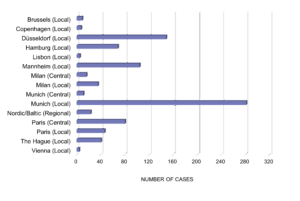
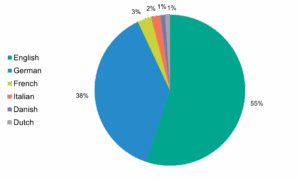
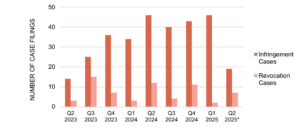
A look at past CoA decisions on preliminary injunctions shows a balanced picture:
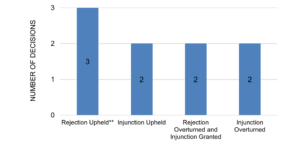
*Includes decisions from the start of the UPC to April 2025.
**Two of the three decisions concern parallel cases.
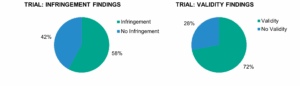
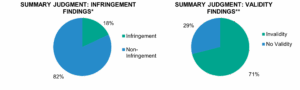
In most cases, the pivotal points in granting preliminary measures were the likelihood of infringement and the validity of the patent in question. That is, on the specifics of the case rather than on particular standards of urgency. Thus, it appears there is no discernible conclusion that the CoA is applying the standards for preliminary injunctions more strictly than the courts of first instance.
Emerging principles
From the CoA’s recent rulings, the following principles for preliminary injunctions under the UPCA have emerged:
- Summary assessments must result in the UPC finding it more likely than not that the applicant is entitled to initiate the proceedings, that the patent is (or is likely to be) infringed, and more likely than not that the patent is valid. The burden of proof for entitlement, infringement, and all other facts supporting the application lies with the applicant. Conversely, unless the case is decided ex parte (e.g., without hearing the defendant), the burden of proof for invalidity and any facts supporting the defendant’s position rests with the defendant (NanoString v. 10xGenomics, UPC_CoA_335/2023, App_576355/2023).
- Necessity is a material requirement. Clear infringement and a high probability of patent validity alone are not sufficient. Applicants must demonstrate why only interim relief ensures effective protection (Rule 206.2(c) of the RoP; Biolitec v. Lightguide). It may be best to wait for the main proceedings if the conduct in question has persisted for some time (Biolitec v. Lightguide).
- Irreparable harm is not a mandatory condition but can strongly support necessity (Ortovox v. Mammut, UPC_CoA_182/2024). This is particularly true in cases of direct competition and risk of market displacement (Insulet v. EOFlow). Claims of harm must be specific and well-supported in court of first instance proceedings. General assertions of market loss or price erosion are insufficient. New arguments on appeal may be rejected as late-filed (Biolitec v. Lightguide).
- Customer interests can be considered in the overall balancing but do not prevent relief if the product is not indispensable or alternatives exist (Insulet v. EOFlow).
- A cease-and-desist declaration with a contractual penalty is typically required to negate the risk of repeated infringement (Insulet v. EOFlow).
The CoA emphasizes the case-specific and exceptional nature of provisional measures, the protection of the status quo, and the careful balancing of the parties’ conflicting interests.
Comparative perspective: The approach under German case law
As the UPC’s principles regarding the standards for preliminary injunctions emerge, they appear to largely align with established standards in German practice. Given the conceptual overlap, a closer look at the German approach can offer valuable guidance to the still-evolving UPC case law and help gauge the prospects and risks of interim relief before the UPC.
As with the UPC, a key requirement in German case law is the likelihood of infringement. If the facts are clear and the validity of the patent is not contested, the chances of success are good. Conversely, significant doubts about validity or complex factual or legal questions often lead to rejection.
Particularly, German courts consider several important factors, including:
- Whether the patent has survived a prior opposition or nullity challenge
- Recognition of patent validity by competitors or licensees
- Prior infringement rulings on the same patent or similar products.
Ongoing opposition proceedings, newly discovered prior art, or minimal inventive step can raise doubts about a patent’s validity, which reduces the likelihood of a preliminary injunction being granted.
Necessity is also an independent requirement in German law. Interim relief is only granted when main proceedings cannot be reasonably awaited. For example, if:
- The patent will soon expire.
- Irreversible market displacement or price erosion is likely (e.g., in the case of medicinal products and generic market entry).
- The infringement is short-lived or tied to imminent events (e.g., trade fairs).
- Enforcement of the patentee’s rights would otherwise be thwarted.
Takeaways
The CoA’s current case law on preliminary injunctions makes clear that each case is decided on its individual merits. The key criterion remains whether it is unreasonable for the applicant to wait for the main proceedings. Only when this criterion is substantiated and proven will the UPC grant interim relief. The overarching goal is to avoid disproportionate harm on either side. This makes the threshold for preliminary measures high but not insurmountable. A well-prepared, prompt application backed by solid evidence and supported by insights from national practice can significantly improve the chances of success.









What to know about Illinois’s 2025 amnesty programs
ARTICLE
What to know about Illinois’s 2025 amnesty programs
Jun 26, 2025
Read time: 4 min
On May 31, 2025, the Illinois General Assembly passed House Bill 2755, which contains three amnesty programs the state estimates will substantially increase its coffers. Illinois Governor JB Pritzker signed the bill into law on June 16, 2025.
General Amnesty Program (35 ILCS 745/10)
The Illinois Department of Revenue (IDOR) will run a general amnesty program from October 1, 2025, through November 15, 2025. During this period, taxpayers who pay “all taxes due” to the State of Illinois for any taxable period ending after June 30, 2018, and before July 1, 2024, will have all associated interest and penalty charges waived.
IDOR regulations provide key details, including:
- “Eligible tax liabilities” include any taxes (other than the motor fuel use tax) that are imposed by the State of Illinois and collected by IDOR.
-
- Taxpayers can selectively participate in the program by paying all taxes due for an eligible tax liability (e.g., income tax but not sales tax) or for a particular tax period (e.g., 2022 but not 2023).
- Specific procedures for amnesty participation by taxpayers under audit, with disputes pending in the Fast Track Resolution Program or before the Informal Conference Board.
- Amnesty can also be granted to taxpayers with civil cases pending in state courts, in administrative hearings, or at the Illinois Independent Tax Tribunal, provided the litigation is dismissed before the end of the amnesty period by agreed order entering judgment in favor of IDOR.
- Taxpayers can participate by making estimated payments of the taxes due, including additional Illinois taxes that will result from a federal change that has not become final.
- Taxpayers participating in the amnesty program may claim a refund for an overpayment of an established liability based on an issue that is not an amnesty issue or of an estimated payment, including one based on an estimated federal change.
We expect IDOR to publish additional guidance and forms on its website prior to the program’s October 1, 2025, inception.
Franchise Tax Amnesty Program (805 ILCS 8/5-10)
The Illinois Secretary of State will run a franchise tax amnesty program from October 1, 2025, through November 15, 2025. The program applies to franchise taxes or license fee liabilities for any tax period ending after June 30, 2019, and on or before June 30, 2025. Payment of all franchise taxes and license fees due for any taxable period will result in abatement of any associated interest or penalties.
Notes:
- There are no regulations related to the Franchise Tax Amnesty Program.
- The Franchise Tax Amnesty Program has much more limited eligibility than IDOR’s General Amnesty Program. Taxpayers who have received interrogatories from the secretary’s Department of Business Services or that are a party to any civil, administrative, or criminal investigation or litigation for nonpayment of franchise tax or license fees are not eligible to participate.
The Secretary may publish additional guidance and forms on his website prior to the program’s October 1, 2025, inception.
Remote Retailer Amnesty Program (35 ILCS 120/2-13)
IDOR will run a remote retailer amnesty program from August 1, 2026, through October 31, 2026. During this time, IDOR will waive all interest and penalties associated with a remote retailer’s payment of a “simplified retailers occupation tax rate” for taxes due for January 1, 2021, through June 30, 2026.
Notes:
- The “simplified retailers occupation tax rate” is a blended rate equal to 9% for sales subject to the state’s general 6.25% tax, and 1.75% for sales subject to the 1% tax (generally food and drug items).
- Taxpayers must pay all taxes due at a simplified rate for the relevant period to obtain a penalty and interest waiver, either up front or via an approved repayment plan.
- Registration with IDOR and payment of taxes on a going-forward basis is required.
- Participating taxpayers must file returns for the relevant period but do not have to complete Form ST-2, an often-burdensome form that requires reporting of sales by specific locality.
- Local units of government do not play a role in the acceptance of applications and do not have the ability to make assessments in addition to accepted payments.
- Participation in the program would eliminate a remote retailer’s ability to challenge the constitutionality of IDOR’s assessment of destination-based local tax for the time period resolved by amnesty.
We expect IDOR to issue regulations and publish forms on its website prior to the program’s August 1, 2026, inception.

IRS roundup: June 3 – 17, 2025
ARTICLE
IRS roundup: June 3 – 17, 2025
Jun 26, 2025
Read time: 4 min
Check out our summary of significant Internal Revenue Service (IRS) guidance and relevant tax matters for June 3, 2025 – June 17, 2025.
Commissioner update
June 16, 2025: Billy Long was sworn in as the 51st IRS Commissioner after having been confirmed by the US Senate on June 12. Long served as a US Representative for Missouri’s 7th congressional district from 2011 to 2023. His term will run through November 12, 2027.
IRS guidance
June 12, 2025: The IRS has announced that it is experiencing a delay in processing electronic payments and that some taxpayers are receiving notices indicating a balance due even though payments were timely made.
Taxpayers who receive a balance due notice but electronically paid the tax they owed in full and on time do not need to respond. The IRS has said that any associated penalties and interest will be automatically adjusted once the payment(s) are applied correctly.
June 12, 2025: The IRS released Tax Tip 2025-39, reminding businesses about the Childcare Tax Credit. Taxpayers may receive a credit of up to $150,000 per year to offset 10% of qualified childcare resource and referral costs and 25% of qualified childcare facility costs.
To be eligible for the credit, an employer must have paid or incurred qualified childcare costs during the tax year to provide childcare services to employees. Employers should complete Form 8882, Credit for Employer-Provided Childcare Facilities and Services, to claim the credit. The credit is subject to the carryback and carryover rules for business credits.
June 12, 2025: The IRS issued Notice 2025-33, extending for an additional year the transitional relief provided in Sections 3.01, 3.02, and 3.06 of Notice 2024-59. Notice 2025-33 provides transitional relief from penalties with respect to certain information reporting obligations under Section 6045 and provides transitional relief from the liability for the payment of backup withholding tax required to be withheld under Section 3406 and its accompanying regulators.
This notice also provides transitional relief from penalties for brokers who fail to pay that tax with respect to certain sales of digital assets required to be reported under Section 6045, as well as a digital asset sale relief for certain customers that have not been previously classified by the broker as US persons.
June 13, 2025: The IRS issued Notice 2025-35, providing guidance on the corporate bond monthly yield curve, corresponding spot segment rates under Internal Revenue Code (Code) Section 417(e)(3), and the 24-month average segment rates under Code Section 430(h)(2). The notice also provides guidance on the interest rate for 30-year Treasury securities under Code Section 417(e)(3)(A)(ii)(II) (for plan years in effect before 2008) and the 30-year Treasury weighted average rate under Code Section 431(c)(6)(E)(ii)(I).
June 17, 2025: The IRS issued Revenue Ruling 2025-13, providing prescribed rates for federal income tax purposes for July 2025, including but not limited to:
- Short-, mid-, and long-term applicable federal rates for July 2025 for purposes of Code Section 1274(d).
- Short-, mid-, and long-term adjusted applicable federal rates for July 2025 for purposes of Code Section 1288(b).
- The adjusted federal long-term rate and the long-term tax-exempt rate, as described in Code Section 382(f).
- The federal rate for determining the present value of an annuity, an interest for life, a term of years, a remainder, or a reversionary interest for purposes of Code Section 7520.
June 17, 2025: The IRS published improvements to its Pre-Filing Agreement (PFA) program to provide greater tax certainty for large business and international taxpayers. The PFA program allows taxpayers under the Large Business and International Division jurisdiction to resolve potential tax issues before filing their return. The program is meant to offer certainty, reduce audit risk, and encourage voluntary compliance.
Key enhancements include:
- A redesigned PFA landing page with program statistics, a streamlined process overview, and direct navigation to dispute prevention resources.
- New step-by-step instructions to submit a PFA request, including response time expectations and post-submission next steps.
- A dedicated PFA page regarding Likely Suitable Issues and Relevant Documents will help taxpayers identify if a PFA request is appropriate for their situation.
- Updated program guidelines to help businesses strategically align their PFA submissions with tax filing deadlines.
The IRS also released its weekly list of written determinations (e.g., Private Letter Rulings, Technical Advice Memorandums, and Chief Counsel Advice).
Lindsay Keiser, a summer associate in the Washington, DC, office, also contributed to this blog post.





FAQs Regarding the Skrmetti Decision for Healthcare Entities and Payors
ARTICLE
FAQs Regarding the Skrmetti Decision for Healthcare Entities and Payors
June 25, 2025
Read time: 2 min
On June 18, 2025, the Supreme Court of the United States issued a long-awaited decision in the matter of United States v. Skrmetti, upholding Tennessee’s law (SB1) that restricts access to gender-affirming care for minors. The 6-3 majority opinion, written by Chief Justice John Roberts, found the law constitutional under a rational basis review, concluding that SB1 does not discriminate based on sex or transgender status but, rather, classifies based on age and medical use.
This document outlines key takeaways for providers, hospitals, health systems, health plans, and employer plan sponsors who are navigating the implications of the ruling.



Update on Reform of the UK Tax Treatment of Carried Interest
ARTICLE / CLIENT ALERT
Update on Reform of the UK Tax Treatment of Carried Interest
June 24, 2025
Read time: 8 min
Our Alert issued on 14 Jan. 2025 discussed the UK government’s consultation and call for evidence (“Consultation”) on its proposals to reform the tax treatment of carried interest.
The Consultation proposed that from April 2026 all carried interest would be taxed exclusively under the income tax and NICs regime, but that “qualifying” carried interest which met certain conditions would be adjusted by a 72.5 percent multiplier, so that “qualifying” carried interest would be subject to income tax and NICs only at an effective rate of 34.075 percent.
For purposes of distinguishing “qualifying” carried interest from “non-qualifying” carried interest – which is the same as the existing “income-based carried interest” (IBCI) – the government proposed supplementing the existing average holding period (AHP) condition[1]with one or both of two additional conditions. The two proposed new conditions were (i) a minimum investment manager’s co-investment condition, measured at a “team” level; and/or (ii) a minimum “vesting period” between the award of an entitlement to receive carried interest and its receipt.
Government Response and Policy Update
On 5 June 2025, the government published the outcome of the Consultation, in the form of a Government Response and Policy Update on the Tax Treatment of Carried Interest (“Policy Update”).
The Policy Update indicates that the government will not proceed with the introduction of either a minimum co-investment condition or a minimum vesting period condition. It will continue to be the case after April 2026 that, as now, the average holding period (AHP) condition will be the only condition that will apply to distinguish “qualifying” carried interest from non-qualifying carried interest (IBCI).[2]
Territorial Scope of the Carried Interest Regime
The Policy Update confirms that it is the government’s broad intention in bringing “qualifying” carried interest into the income tax (and NICs) regime – alongside IBCI – that “qualifying” carried interest should be subject to UK tax/NICs so far as the carried interest either arises to a UK-resident holder or, in the case of a non-UK resident carried interest holder, the carried interest is attributable to services performed by the carried interest holder in the UK. It will no longer be automatically the case that “qualifying” carried interest arising to a holder who is a non-UK resident at the time that they receive the carried interest will escape UK tax.
However, the government has always recognised that this principle – that carried interest should suffer UK tax to the extent that it is attributable to services performed in the UK – is difficult to apply to non-UK residents who make short and/or infrequent business trips to the UK. It has acknowledged that, under the UK’s double tax treaties, the carried interest received by such a holder will suffer UK tax only where the holder spends a sufficient amount of time in the UK to be treated as having a UK “permanent establishment”, but these permanent establishment rules can be difficult to apply in practice and also have no relevance where the holder is resident in a non-treaty country.
Accordingly, the Policy Update also proposes statutory limitations, where HMRC will not treat “qualifying” carried interest received by a non-UK resident as attributable to services performed by the holder in the UK (but will instead treat such carried interest as attributable to non-UK services). These limitations are:
- First, where the non-UK resident holder does not meet a UK workday threshold of 60 workdays in the tax year in which the UK services are performed; and
- Secondly, where three full tax years (in addition to the tax year in which the carried interest is received) have passed since the tax year in which the UK services were performed, and in none of those tax years was the holder either UK resident or over the UK workday threshold of 60 workdays.
- Additionally, it will remain the case (as discussed above) that where a non-UK resident carried interest holder is resident for the tax year in which UK services are performed in a jurisdiction with which the UK has a double tax treaty, a part of the carried interest will be treated as attributable to those UK services – and hence potentially liable to UK tax – only where the non-UK resident had a permanent establishment in the UK for the tax year in which he performed those UK services.
The government also intends to provide clarity on how carried interest is apportioned between investment management services performed in the UK and those performed outside the UK, and to this end will mandate a time-based apportionment method, by reference to the number of workdays in the relevant period.
Position of Private Credit and Debt Funds
As discussed above, the government’s decision not to add further conditions when drawing the line between “qualifying” carried interest – subject to income tax/NICs at the effective 34.075 percent rate – and non-qualifying carried interest/IBCI – subject to income tax/NICs at 47 percent – means that the average holding period (AHP) condition remains the only test to be applied in making this determination.
However, the government has also recognised that some private credit and debt funds face considerable practical difficulties in applying the AHP condition to their investment strategy despite in substance following a long-term investment strategy, that should be treated as meeting the AHP condition. Accordingly, the Policy Update sets out a number of proposed detailed changes to the AHP condition in this context designed to improve its operation and make the rules more straightforward to apply. Broadly, the specific changes proposed include widening the range of circumstances in which the AHP condition can be met by direct lending funds; introducing a new provision for all types of credit fund which will make it more straightforward to identify the specific times of acquisition and disposal of credit assets; revising the rules governing when disposals of unwanted short-term investments can be disregarded in working out the AHP (because such disposals would otherwise distort the AHP) and addressing various other technical issues, such as the treatment of tax distributions.
Conclusion
The government’s recognition of some of the difficulties inherent in the current carried interest regime, and its decision not to add further conditions to the tests for identifying “qualifying” carried interest, are very welcome. We understand that the government’s proposals will now be embodied in draft legislation for technical consultation, which should be helpful in resolving any remaining glitches ahead of the anticipated inclusion of the legislation in the upcoming Finance Bill.
If you would like to discuss any aspect of the UK’s carried interest rules, please contact Nick Fagge, Dan Roman or your usual Schulte contact.
[1] Broadly, the average holding period condition (which will remain in place) requires a calculation of the average value-weighted holding period of all assets in the fund at the time that a sum of carried interest arises to a carried interest participant. Only if that average holding period is greater than 36 months at the relevant time will some part of the carried interest be treated as “qualifying” carried interest. The relevant period must be greater than 40 months for all of the carried interest to be treated as “qualifying” carried interest.
[2] Some carried interest holders currently rely upon the so-called “ERS exception” under which carried interest is automatically “qualifying” carried interest (and is not IBCI) where the entitlement to receive carried interest is an “employment-related security” (ERS) – i.e., an entitlement that is granted to a carried interest holder who is an employee and who receives the entitlement (or is deemed to receive the entitlement) “by reason of employment”. However, the government has confirmed its intention to abolish the ERS exception from April 2026, so that satisfaction of the average holding period condition will, with effect from that date, be the only means by which carried interest can be “qualifying” carried interest.
This communication is issued by Schulte Roth & Zabel International LLP for informational purposes only and does not constitute legal advice or establish an attorney-client relationship. In some jurisdictions, this publication may be considered attorney advertising. © 2025 Schulte Roth & Zabel International LLP. All rights reserved. SCHULTE ROTH & ZABEL is the registered trademark of Schulte Roth & Zabel LLP.


Minority stakes, major consequences: Lessons from the Delivery Hero/Glovo case
ARTICLE / CLIENT ALERT
Minority stakes, major consequences: Lessons from the Delivery Hero/Glovo case
June 18, 2025
Read time: 10 min
On 2 June 2025, the European Commission (the Commission) announced a landmark decision, sanctioning companies for the first time over a standalone “no-poach” cartel agreement. Another key element of the decision was its focus on the facilitation of the cartel through the use of a minority stake in a rival company.
As indicated in its press release (decision not yet published), the Commission found that Delivery Hero and Glovo, two major food delivery companies in the European Economic Area (EEA), participated in an illegal cartel in the online food delivery sector by (i) agreeing not to poach each other’s employees; (ii) exchanging commercially sensitive information; and (iii) allocating geographic markets. According to the Commission, these practices were facilitated by Delivery Hero’s minority shareholding in Glovo. Consequently, the Commission imposed a total fine of €329 million.
The key takeaways from the case are as follows:
- As long as a company has not acquired sole control of a competing firm, neither company can benefit from intra-group immunity in the intervening period and must be particularly cautious in their information flows so as not to engage in illegal conduct that can result in significant fines being imposed.
- Companies need to carefully consider their employment practices in the context of competition in labor markets, recognizing that competition extends beyond products or services to include talent acquisition and retention.
In recent years, competition authorities worldwide have shown increasing interest in potential competition issues in labor markets. More particularly, no-poach and wage-fixing agreements have become a priority for competition enforcement agencies in the European Union, the United Kingdom, the United States, and, more recently, Brazil. Regulators have issued numerous guidance documents and recommendations for employers on how to comply with competition law and have initiated antitrust investigations in this field. As new EU Competition Commissioner Teresa Ribera has highlighted, this reinforcement of antitrust rules is part of ensuring “a fair labor market”, “where employers compete for talent and do not collude to limit the number and quality of opportunities for workers”, thus prohibiting agreements that “prevent workers from moving where they can contribute more effectively to the economy”.
The US agencies were among the first to address competition issues in labor markets, with the issuance of a joint Department of Justice (DOJ) and Federal Trade Commission (FTC) Antitrust Guidance for Human Resource Professionals in October 2016. Former EU Competition Commissioner Vestager had indicated back in 2021 that the Commission was paying great attention to this new form of purchasing cartels as an area of enforcement activity under Article 101(1)(c) of the Treaty on the Functioning of the European Union (TFEU). On 21 June 2022, Olivier Guersent, Director-General of the Directorate General for Competition, suggested that labor markets would in future be subject to increasing scrutiny by supranational enforcers. Therefore, despite the novelty of this restrictive practice under Article 101 of the TFEU, the Delivery Hero/Glovo decision was expected or at least foreseeable, considering that labor-related agreements had been on the Commission’s radar for some time. This was particularly the case after the release of the Commission’s policy brief in May 2024 setting out its view that wage-fixing and no-poach agreements had the potential to restrict competition by their very nature, i.e., they were “by object” or per se restrictions.
In the meantime, national competition authorities (NCAs) in Europe have played a crucial role in addressing the growing concerns with restraints in markets for talent. For instance, the Portuguese Authority condemned two distinct infringements: (i) in December 2022, it issued a statement of objections against a cartel between laboratories providing clinical analyses and COVID-19 tests, which included an agreement not to hire workers; and (ii) in April 2022, it ruled that several Portuguese football clubs had entered into a no-poach agreement by not hiring players who had unilaterally terminated their contracts due to pandemic-related issues. The Lithuanian and Polish authorities took similar enforcement actions in the sports sector in 2022 against horizontal no-poach agreements entered into by football and basketball leagues (in which they promised not to hire or pay players who had terminated their contracts due to COVID-19), and considered such agreements as “by object” restrictions of competition.
In July 2024, the Belgian Competition Authority (BCA) fined security companies for participating in a cartel that included no-poach agreements. These companies agreed not to hire each other’s employees. The BCA ruled that no-hire clauses between competitors were by object restrictions and emphasised that such agreements harmed workers by limiting job mobility and suppressing wage growth and thus distorted the labor market. While labor-related restrictions have typically been part of broader cartel cases, the UK Competition and Markets Authority (CMA) recently imposed a relatively modest fine of £4 million on sports broadcasters for exchanging sensitive information about wages paid to freelancers (23 May 2025).
In France, the French Competition Authority (FCA) sanctioned companies active in the linoleum flooring (2017) and precast concrete products (2024) sectors, including for specific no-poach clauses aiming at banning each competitor from soliciting and hiring their respective staff. Finally, less than 10 days after the announcement of the Commission decision in Delivery Hero/Glovo, the FCA seems to be following in the Commission’s footsteps by sanctioning, on a standalone basis, two “non-poaching” agreements and imposing a total fine of €29,500,000 on three companies active in the engineering, technology consulting, and IT services sectors (the fourth company received full immunity from fines due to its status as a leniency applicant).
The active role of NCAs in labor market cases stems from the local or national nature of these markets, which are better addressed at the national level, while the Commission focuses on cross-border cases. However, NCAs can and frequently do pass on their concerns about particular cross-border markets to the Commission. Indeed, it was after just such a tip off from an NCA and the EU’s whistleblower tool that the Commission conducted inspections on the premises of companies on 6 July 2022, targeting alleged market-sharing practices in the online food-delivery sector. On 21 November 2023, the scope of the investigation was broadened to include alleged no-poach agreements and sensitive information exchanges. This led to the formal opening of an antitrust investigation on 23 July 2024 to assess potential violations of EU competition rules.
As regards the EU courts, they have so far broadly supported NCAs’ approach to these cases; for example, following a preliminary ruling request by the Regulation and Supervision Court in Portugal to the Court of Justice of the European Union, Advocate General Emiliou issued an opinion in May 2025 stating that no-poach agreements are generally considered restrictive by object, but the opinion also supports greater flexibility and a context-driven approach when evaluating the compatibility of no-poach agreements within EU competition law, because finding a restriction “is by no means the end of the analysis” and “context always matters”.
The Decision
The present decision is of particular interest for two main reasons. First, it highlights the risks of acquiring a minority stake in a competitor, as it may result in hefty fines being imposed where it is used to facilitate cartel conduct. Second, the Commission imposed a fine for the first time for a standalone infringement in the existence of a no-poach agreement.
The Commission’s Analysis of Delivery Hero’s Minority Shareholding in Glovo
According to the Commission, the illegal cartel began in July 2018, when Delivery Hero acquired a minority shareholding (reported to be 15%) in Glovo, which facilitated the alignment of the two companies’ respective strategies until July 2022, when Delivery Hero obtained sole control of Glovo.
While the press release recalls that “owning a stake in a competitor is not in itself illegal”, this does not protect a non-controlling investor from enforcement under Article 101 of the TFEU (unlike companies that are under common control, as intra-group information exchanges are not subject to Article 101), especially when the investment facilitates anticompetitive contacts between competitors. This is exactly what the Commission fined Delivery Hero for doing in this case. By giving Delivery Hero access to Glovo board meeting documents and voting rights in the general assembly and board of directors, its minority stake enabled it “to obtain access to commercially sensitive information and to influence decision-making processes in Glovo, and ultimately to align the two companies’ respective business strategies.”
Consequently, this case stands as a stark reminder for undertakings with a non-controlling shareholding in a competing company that “horizontal cross-ownership between competitors may raise antitrust risks and should be handled carefully” – otherwise, any information exchanges resulting from the minority shareholding may be deemed unlawful and result in fines (and, potentially, claims for damages).
The key conclusion from this aspect of the decision is that as long as a company has not acquired sole control of a competing firm (which was the case until 2022 in Delivery Hero/Glovo), neither company can benefit from intra-group immunity in the intervening period and must be particularly cautious in their information flows so as not to engage in illegal conduct that can result in significant fines being imposed.
The Commission Identifies Its First Standalone “No-Poach” Cartel
As mentioned previously, this decision marks the first instance in which the Commission has sanctioned a standalone no-poach agreement. Specifically, the Commission determined that the shareholders’ agreement, signed when Delivery Hero acquired a non-controlling minority interest in Glovo, included reciprocal no-poaching clauses. Initially, these clauses were limited to certain employees but were subsequently expanded to encompass a general agreement not to actively approach each other’s employees.
Although the Commission did not elaborate on its reasoning in the press release, it concluded that such practices constitute a restriction “by object”. This classification was expected, as the Commission had already indicated in its policy brief that such practices cause economic harm and are detrimental to employees. This reasoning aligns with US antitrust practices, where no-poaching agreements are deemed presumptively or “per se” unlawful under the Sherman Act because they restrict a market input (labor) without a corresponding increase in output (productivity or mobility).
This decision confirms the Commission’s intention to analyze horizontal arrangements related to talent acquisition, such as recruitment or remuneration, within the context of the relevant labor market, irrespective of how companies are positioned in the downstream market. Such agreements are likely to reduce labor mobility, create inefficiencies downstream by distorting the allocation of labor, or to foster collusive conditions more generally. In essence, this decision underscores the necessity for companies to consider carefully their employment practices in the context of competition in labor markets, recognizing that competition extends beyond products or services to include talent acquisition and retention.
The high antitrust risk associated with these arrangements, as outlined in the decision, also explains why the Commission intends to assess the potential adverse effects of mergers on employment and labor markets as part of its review of its substantive merger guidelines. This approach is similar to the new merger guidelines (December 2023) in the United States, which articulate a strong intention to evaluate the competitive effects of mergers, particularly when there is a risk that the merger may lessen competition for labor.
Finally, the sanctions imposed on Delivery Hero and Glovo, amounting to €223,285,000 and €105,732,000, respectively, are notably severe and reflect the Commission’s stringent stance on such practices. Delivery Hero noted that the fine was less than its initial provision of €400 million, as the Commission indicated a “lower intensity of the issues investigated for some periods”. Upon publication of the Commission’s decision, the factors considered in determining the fines will be disclosed.
*Trainee Anne-Charlotte Hoyé also contributed to this alert.


Proposed Bill Would Create New Tax Regime Introducing Uncertainty and Threatening Broad Credit Markets and Beyond
ARTICLE / CLIENT ALERT
Proposed Bill Would Create New Tax Regime Introducing Uncertainty and Threatening Broad Credit Markets and Beyond
June 18, 2025
Read time: 8 min
On May 20, 2025, Senator Thom Tillis (R-NC) introduced the Tackling Predatory Litigation Funding Act as an amendment to the Internal Revenue Code of 1986 (the “Code”), which would establish a new tax regime purportedly applicable to third-party litigation funding. A companion bill was introduced in the House of Representatives (the “House”) on the same day by Representative Kevin Hern (R-OK). On May 21, 2025, the House passed the One Big Beautiful Bill Act, which would make significant changes to the Code but which did not contain the Tillis proposal. On June 16, 2025, the Senate Finance Committee released a draft Reconciliation Bill (the “Bill”), which included the Tillis proposal without substantial change. While the Bill purports to address litigation funding, if enacted, the Bill would have an impact on broader financial markets, injecting uncertainty into numerous ordinary course financing transactions and potentially chilling corporate credit and other credit markets. In addition, the legislation would set a troubling precedent for addressing perceived grievances relating to different sectors of the economy.
While the stated goal is to prevent foreign influence in the US court system and prevent frivolous lawsuits, the Bill goes far beyond simply imposing a special rate on qualified litigation proceeds and essentially creates an entirely new income tax system dedicated to the litigation finance industry. The Bill would depart from the traditional Code’s longstanding flow-through approach to non-corporate entities, would completely disregard the tax characterization of the instrument under which qualified litigation proceeds are received and would seek to tax foreigners and tax-exempts (including US pension plans and other tax-exempt entities) in a manner that is inconsistent with the traditional US income tax system. There is little precedent for the establishment of an entirely new income tax system dedicated to a particular industry. Furthermore, under the wording of the legislative text, even ordinary course financing transactions (including secured and unsecured lending, securitizations and debtor-in-possession lending) could be picked up, potentially impacting broader financial markets.
Overview of the Proposed Tax
The Bill would add a new Chapter 50B to the Internal Revenue Code, imposing a tax on “qualified litigation proceeds” received by “covered parties” under a “litigation financing agreement.” Key provisions include:
- Flat tax rate of 40.8% (equal to the current top individual tax rate of 37% plus 3.8%), on all qualified litigation proceeds. Qualified litigation proceeds include the realized gains, net income or other profit which is derived from, or pursuant to, any litigation financing agreement.
- Imposition of an entity-level tax, including for partnerships and S corporations, overriding traditional flow-through principles.
- Broad scope of “covered parties,” includes individuals, corporations, partnerships, sovereign wealth funds and tax-exempt organizations (including US pension plans and other tax-exempt entities), regardless of US or foreign status.
- Expansive definition of “litigation financing agreement,” includes not only traditional litigation funding contracts but also any agreement “which creates a direct or collateralized interest” in litigation outcomes. In addition, the Treasury would have authority to treat substantially similar arrangements, which are undefined, as subject to the tax. Therefore, any general asset financing provided to an entity that is a named plaintiff in a civil litigation could potentially be considered within the scope of the legislation, and it is unclear what other arrangements Treasury and/or the IRS might consider to be in scope.
- No offset for losses: Unlike typical taxable income, qualified litigation proceeds cannot be offset by other ordinary or capital losses, even those generated by other litigation financing arrangements.
- Overrides key traditional exclusions, exemptions and preferences, including:
- Section 104(a)(2): Exclusion for personal physical injury damages;
- Section 892: Exemption for income earned by foreign governments;
- Sections 871(h) and 881(c): Portfolio interest exemption; and
- No preferential capital gain treatment.
- New withholding regime: Any named party in a civil action or law firm affiliated with such civil action that has entered into a litigation financing agreement with respect to such civil action and has control, receipt or custody of proceeds with respect to such civil action must withhold 50% of the applicable tax rate (currently 20.4%) from all payments made to the funder. The withholding obligation is not based on net income or profit.
- Narrow exclusions for (i) fundings below $10,000, (ii) debt-like arrangements with interest rates capped at the greater of 7% or two times the average annual yield on 30-year Treasury securities and (iii) certain related-party transactions.
The bill would apply to taxable years beginning after Dec. 31, 2025 and would presumably apply even to existing litigation funding arrangements entered into prior to Dec. 31, 2025.
Impact of the Bill
If enacted, the Bill would create a completely new income tax regime, which purports to only apply to litigation financing transactions but would potentially have a much broader reach, likely resulting in significant uncertainty regarding its interaction with the traditional tax system and posing complex compliance challenges, including:
- Ambiguity for certain common commercial transactions: The definition of a “litigation financing agreement” could sweep in ordinary corporate credit transactions where the debtor is a party to a civil litigation, including whole business and other securitizations, purchases of subrogation claims from Insurance Companies, factoring deals and other unintended arrangements.
- Double taxation risk for investments through entities:
- Corporations:
- Ordinarily, earnings and profits of a US corporation that are distributed to individual shareholders are generally subject to a second level of tax at a maximum rate of 20% or 37%, depending on whether or not the distributions are “qualified dividends.” In addition, dividends from a corporation are generally subject to a net investment income tax of 3.8%.
- Therefore, in the case of a litigation funding investment made through a US corporation, if the proceeds of the litigation funding are subject to a second level of tax when they are distributed from the corporation in the same manner as other distributed corporate earnings, the highest marginal effective federal rate applicable to individuals invested in the litigation financing through a corporation (including the tax imposed on the corporation itself) would be either 54.89% if the distributions are qualified dividends, or 64.95% if they are not.
- While the legislation would carve out qualified litigation proceeds from gross income, it is unclear whether this would also carve out qualified litigation proceeds from earnings and profits. Even if qualified litigation proceeds are not included in earnings and profits, it is likely that distributions of qualified litigation proceeds would reduce the shareholders’ adjusted basis in their corporate shares.
- Partnerships:
- Furthermore, there could be double tax on income from litigation funding even when the litigation funding investment is made through a partnership. In contrast with the traditional flow-through treatment of partnerships, the Bill would impose the tax on partnerships themselves. Since the legislation would carve out qualified litigation proceeds from gross income of the partnership, presumably, partners’ basis in their partnership interests would not be increased by the qualified litigation proceeds.
- Consequently, proceeds from an investment in a litigation financing arrangement through a partnership would effectively be subject to double tax, once, upon receipt of the proceeds by the partnership, and again, upon distribution to the partners. Gains recognized under Section 731 on distributions from a partnership are generally subject to net investment income tax.
- Accordingly, the highest marginal effective federal rate on qualified litigation proceeds earned through a partnership would be 54.89% if the partners held their interests in the partnership for more than a year, or 64.95% if they did not.
- Tax-exempt investors, foreign governments and portfolio interest: The Bill would override a number of long-standing, traditional tax exemptions. The legislation would impose a tax on tax-exempt investors (including US pension plans and other tax-exempt entities) and on foreign governments that are both generally exempt from tax on various categories of passive income. In addition, the tax would override the portfolio interest exemption that generally exempts US source interest paid to foreign lenders from US withholding tax.
- Foreign investor exposure: The tax would apply to non-US investors even if the litigation financing income would be considered capital gain under general income tax principles, which would not ordinarily be subject to US tax.
- Foreign litigation: The legislation does not distinguish between US and foreign litigation. Therefore, both US and non-US investors that are covered persons would technically be subject to the tax even if the litigation funding relates to non-US litigation.
Takeaways
The Bill would establish a standalone income tax regime that departs from the traditional US income tax framework in both scope and structure and would override a number of long-standing income tax principles such as the treatment of partnerships and forward contracts, favorable tax treatment for tax-exempt entities and foreign governments, and the portfolio interest exemption. Although the legislation purports to only target litigation funding, if enacted the Bill would have an impact on broader credit markets (including secured and unsecured lending, securitizations and debtor-in-possession lending) and would set a troubling precedent for addressing other disfavored financial activities through inadequately considered tax legislation.
Authored by Andi Mandell, Chaim Stern, Boris Ziser and Sarah J. McNeill.
We are continuing to monitor any developments with the Bill as it makes its way through Congress. If you have questions concerning this Alert, please contact your attorney at Schulte.
This communication is issued by Schulte Roth & Zabel LLP for informational purposes only and does not constitute legal advice or establish an attorney-client relationship. In some jurisdictions, this publication may be considered attorney advertising. © 2025 Schulte Roth & Zabel LLP. All rights reserved. SCHULTE ROTH & ZABEL is the registered trademark of Schulte Roth & Zabel LLP.