














ARTICLE / REPORT
Health Data in the EU and UK – Regulatory Trends and Developments
March 3, 2023
Read time: 19 min
In light of the increasing number of enforcement incidents under the General Data Protection Regulation (GDPR), organisations active in the Health and Life Sciences sectors in the United Kingdom, the European Union (EU) and other European Economic Area (EEA) countries are well-advised to review their obligations when it comes to the collection and processing of health data.
Key Points
- “Data concerning health” is a wide term, it doesn’t just apply to medical records. Policies and processing records should accurately capture all health data, including inference data.
- Most EEA countries, and the United Kingdom, have national laws that supplement GDPR.
- Consent is not the only legal basis for collecting, storing and using health data; there are other options available, but be aware that “insufficient legal basis for data processing” is a common type of GDPR violation.
- If used, health data consents must be granular, specific and transparent, and they must break down all the purposes for which the data is being processed. Consent must be granted on an “opt-in” basis and not as a result of a pre-filled tick box.
- Health data may be re-used for genuine scientific research purposes provided the processing is compatible with the original use, appropriate safeguards are in place and any separate national law conditions are satisfied.
- Privacy policies and transparency notices must be clear about the basis on which health data is processed.
- Proceed carefully and consider re-identification risk when relying on anonymisation to process data; document any re-identification risk assessment and periodically review risk assessment in light of developments in publicly available data and evolving risk environment. Technical measures, such as evolving encryption standards, should be reviewed periodically.
What is “Health Data”?
It is helpful to first understand what constitutes “health data” under the GDPR. There is a common misconception that this term refers simply to medical records, but the definition is much broader. It refers to all data concerning health including, significantly, “inference” data, which is data, which alone or with other data sources, would enable a third party to draw an inference about someone’s health. This may include information about an individual’s diet, their exercise levels, and attendance at a clinic.
Data relating to a person’s health has always been seen as sensitive, even before the implementation of the GDPR in 2018. It was protected by the previous Directive and national common laws, plus professional obligations, such as a doctor’s responsibility to keep a patient’s details confidential. The result of this history is that the GDPR is not the only consideration when collecting and processing health data in Europe.
What Conditions Must be Met for Health Data to be Collected or Processed?
Consent is widely considered to be a key feature in the provision of health services, based on the requirement that patients give informed consent for treatment, or subjects granting consent for their involvement in clinical research. As a result, many organisations default to thinking that consent is the only basis under which they can handle health data, or that using consent is the “gold-standard” to which they should aspire. While this is the case under many national, common laws and professional duties, and is still the case in the United States, it is not the case under the GDPR.
Under Article 9 of the GDPR, consent is just one condition under which the collection and processing of health data is permitted. The other options are that:
- The data is being used for the provision of healthcare
- The data is being used in the interests of securing public health
- The data is being used for research purposes
Provision of Healthcare
For this condition to be met, the processing must be “necessary” for one of the following:
- The purposes of preventive or occupational medicine
- The assessment of the working capacity of the employee
- Making a medical diagnosis
- The provision of health or social care, or treatment
- The management of health or social care systems and services
In addition, the data must be processed by or under the responsibility of a professional who is subject to the obligation of professional secrecy or rules established by national competent bodies, or by someone subject to a legal obligation of secrecy or rules established by national competent bodies. The professional could therefore be a medical doctor or other healthcare professional who is part of the wider healthcare team.
Public Health
The public health condition covers health data processing required by a legal or regulatory provision. Providing “high standards of quality and safety of health care and of medicinal products or medical devices” may, for example, cover the processing by a medical device manufacturer of health data for the purposes of ensuring the proper functioning of the device, or for reporting adverse events to the health authorities.
Research Purposes
The research condition permits health data to be processed for scientific research purposes if based on an EU or a country’s law, provided that the processing is proportionate to the aim pursued, respects the essence of the right to data protection and provides for suitable and specific measures to safeguard the fundamental rights and the interests of the data subject. The use of health data for research purposes is the most controversial of the GDPR’s conditions and has been supplemented slightly differently at the country level since GDPR requires a basis in an EU or a country’s law. This means that practice is not consistent among European countries and their data protection authorities, so organisations that process health data for this purpose need to be particularly mindful of local requirements.
In Germany, for example, research must be in the public interest and that public interest must outweigh the data subject’s opposing data privacy rights. Interestingly, the national data protection authorities are often reluctant to assume a public interest in a commercially driven research project. For example, if a medical device company conducts research to improve its products, this might not be considered as fulfilling the research condition, even if it could be argued that improvements to the product are in the interests of the device’s users.
In France, where the research must also be justified by a public interest, the Commission nationale de l’informatique et des libertés (CNIL) and the Health Data Hub in charge of construing the concept of public interest, recognize that private research projects may be conducted in the public interest, as much as public research projects. The CNIL takes a very broad view on what qualifies as being in the public interest (e.g. improving care, public health or the healthcare system, research and knowledge enhancement, etc.).
In the United Kingdom, the ICO has published draft guidance about research processing and there are also proposals to change data protection legislation to allow for greater flexibility for research. The ICO’s approach is considered fairly flexible although it is worth noting that the research condition will not be considered satisfied if the data processing is likely to cause individuals substantial damage or substantial distress, or if it is carried out for the purposes of taking measures or decisions about particular individuals, except in the case of approved medical research.
National Laws on Medical Confidentiality
All EEA countries and the United Kingdom have national laws concerning medical confidentiality, which apply to the professionals handling information relating to their patients’ medical histories.
The fundamental principle behind data protection law in the United Kingdom is that information shared by individuals with a professional should not be used or shared except as originally understood by the individual or with their subsequent consent, which can be expressed or implied. National Health Service legislation overrides confidentiality for certain approved research, but patients may choose to opt-out of this use to protect their privacy.
In Germany, doctors and other healthcare professionals are generally prohibited from sharing patient data with third parties without the patient’s consent. Notably, a breach of professional secrecy obligations is not just sanctionable by the German medical association, the Bundesärztekammer, it is also a criminal offence. Doctors and healthcare professionals are, however, permitted to share health data with “contributing persons”, such as service providers who act in the interest of and on behalf of medical professionals, such as IT service providers, or providers of practice management software.
France takes an extremely strict line on healthcare data. Medical confidentiality is an irrevocable duty imposed on healthcare professionals and even patients cannot consent to release them from their obligations if the law does not expressly permit it. Similarly, patients cannot grant consent for their healthcare data to be transferred to a third party. The main exception is in the context of secondary data processing for research, in which case the relevant organisation must first obtain an authorisation from the CNIL.
Consent
Although the Article 9 alternatives to consent outlined above are available, it is often the case that the conditions attached to them cannot be met and obtaining consent is the best option. In these situations, organisations need to understand what constitutes valid consent.
First and foremost, data subjects cannot be forced to give consent. They must be given free and ongoing choice in when and how their data is collected and processed, and they must actively choose to grant consent; they must “opt-in” rather than “opt-out”. Any request for consent must be prominent, independent from other terms and conditions, concise, and easy to understand.
It must also be “granular”, which means it needs to be very specific about how the data will be used and for what purposes. It must also cover the name of the controller, i.e., the relevant legal entity that will process the data, and any other relevant data controllers. When the processing has multiple purposes, consent must be given for each of them, which in practice means multiple opt-in check boxes and, because the data subject can remove consent for any one or more of these purposes at any time, there must be systems in place to manage every aspect of the consent.
The control given to data subjects over how and when their data is used presents the biggest challenge inherent in relying on consent as a condition for health data processing. Under the GDPR, the data subject must be able to withdraw consent at any time, which forces the organisation to stop processing their personal data immediately. In the case of clinical trials, for example, if there is no other lawful basis and Article 9 condition for justifying the retention of the data for further processing, it must be deleted by the controller, which could have an impact on the reporting of serious adverse effects.
Consent Form Best Practice
The key to obtaining effective and legal consent is a well-drafted consent form. It should be written in clear language that does not overwhelm nor confuse the data subject, whilst also providing all the information necessary for the consent to be valid. At least, the following points should be considered:
- It is easier to obtain, easier to document, and easier to manage consent if it is obtained electronically.
- Because data subjects must actively opt-in, do not use any pre-ticked boxes.
- Even if you have limited space on the form, give some context. The data subject needs to know what you plan to do with their data. If necessary, use a second page, another text box, or a weblink, and make clear reference to it.
- Name the data controller. If health data will be shared with another legal entity, state who that is and the specific purposes for which it will be used.
- Assess whether or not additional, national medical confidentiality requirements apply. An additional check box or consent process may be needed to cover these.
- Detailed information required under the GDPR, such as the rights of the data subject, may be referred to in the privacy policy. This can be one, all-encompassing document that covers all the controller’s relevant data processing activities. Ensure that the form refers directly to the policy, e.g., through a hyperlink, or by directing the subject to the controller’s website.
Does Anonymising Data Avoid the Need for Consent?
Data that has been anonymised is not subject to the GDPR because it is not “personal data”. However, the line between anonymised and pseudonymised data, which is still personal data and therefore regulated under the GDPR, is grey.
To a certain extent, the question hinges on whether an individual could be “singled out” even if their name, address, and patient code have been removed from a data set. For example, singling out might be possible in small populations of patients who suffer from rare diseases or when a patient who has undergone a certain type of treatment in a specialised hospital.
In addition, identifiability exists on a spectrum, so it depends on how the data is processed or who holds it. For example, if a clinical trial company holds personal information about participants and uses an encryption method to anonymise that data, the data will not be anonymous within that company as it holds the decryption key. The same data may, however, be anonymous in the hands of a controller to whom that data is transferred, because the controller does not have the key. For the CNIL, which takes a strict view of the EU case law, if the data is not anonymous in the hands of one organization, the data will not be considered as anonymized even if held under an anonymous form by another organization.
Similarly, identifiability is subject to technological developments. If decryption techniques advance to the point where current safeguards are no longer effective, the data may no longer be anonymous. Regulators have recognised that it may not be possible to achieve absolute anonymity forever; they state that what is important is that anonymisation is effective. It is worth noting, however, that “effective” has multiple definitions. For the UK Information Commissioner’s Office, it means reducing identification risk down to a sufficiently remote level; for the CNIL, it means there must be zero chance of identification.
Regardless of whether an organisation has applied one of the GDPR’s conditions to its data collection, or has opted for obtaining consent, unless health data is entirely anonymised, it should always be protected with the application of pseudonymisation techniques, encrypted servers, and additional access controls and safeguards.
Re-Using Health Data
The re-use of health data can be challenging for a number of reasons.
The first challenge relates to how the data was initially obtained and under which condition. If, for example, the data was originally collected for research purposes, the secondary use is also for legitimate research purposes, and no national laws are triggered by the secondary use, it may be appropriate to re-use the data.
If, however, consent was obtained for the primary purpose, the organisation will need to check whether or not the scope and content of the initial consent covers the secondary purpose. This is an excellent example of the impact of granular consent, and why consent should only be relied upon for the use of health data where absolutely necessary. It also shows the value of foresight when drafting a consent form.
The second challenge relates to data security. The GDPR requires additional safeguards when health data is used for secondary purposes, such as anonymisation or pseudonymisation to the extent compatible with the relevant research project.
The UK Government and ICO have committed to changing the UK legal provisions on research in order to simplify data protection compliance in the context of research. The ICO has issued draft guidance on using the Article 9 GDPR research condition in the United Kingdom. In the guidance, the ICO emphasises the purpose limitation exemption for consent in Article 5, which states that existing personal data can be re-used for research related purposes, as long as appropriate safeguards are in place, because this is considered to be “compatible” data processing. The situation is different if consent was the original lawful basis for processing the data, in which case, new consent is needed for each new use of the data.
The ICO also set out helpful guidance and criteria for what would be considered research in the public interest. For example, research activities that are peer reviewed, published, subject to ethics guidance or committee approval, compliant with rules on research, and are published are, according to the guidance, likely to be considered legitimate research.
In relation to re-using data obtained from another organisation, the ICO states that the recipient organisation is essentially collecting new data, not re-using or repurposing it. The recipient organisation cannot therefore rely on the original organisation’s purpose and must instead identify its own lawful basis for processing. Data subjects should be informed that the data has been passed on and provided with the recipient organisation’s privacy policies, unless doing so is impossible or involves disproportionate effort.
After the ICO’s guidance was published, a draft bill was introduced in July 2022 but the bill has not yet progressed through parliament.
Enforcement Trends
Across all sectors, GDPR enforcement has been increasing since 2019, in terms of both the number of fines and their size.
Looking at general trends, it appears that most fines have been imposed as a result of processing data with an insufficient legal basis, either because companies did not apply one, misinterpreted the legal basis, or obtained invalid consent because they were not familiar with the consent requirements. The second most common reason for fines was a lack of data security, which increases the risk of cyber-attacks or third parties accessing the data. The third most common reason was companies simply not complying with general data protection principles, e.g., by processing more data than was actually needed for their purposes, or not deleting data when a specific project was concluded.
Specifically in the health sector, there appears to be an increasing number of enforcement actions relating to data security incidents. It is apparent that data protection authorities across Europe are looking closely at the appropriateness of technical and organisational security measures, such as pseudonymisation and anonymisation. Although Italy leads the field in imposing fines for GDPR violations, Germany and France are not far behind, suggesting that the data protection authorities in all three countries have limited tolerance for health data being compromised.
It is interesting to note that authorities are not just targeting big pharmaceutical or medical technology companies. Fines are also being imposed on hospitals, doctors, and other players in the industry.
What The Future Holds: The European Health Data Space
The European Commission has published a draft European Health Data Space (EHDS) Regulation with the aim of creating a common space where researchers, innovators and policy makers can use electronic health data in a trusted and secure way, preserving privacy and the rights of data subjects to control their data. The draft EHDS Regulation addresses the challenge of establishing such a space by promoting the digital transformation of the use and access to health data in healthcare (primary use), and regulating electronic health records (EHR); and accelerating the re-use (i.e., secondary use) of individuals’ health data.
The draft Regulation also builds on the requirements that have been imposed on software through the Medical Devices Regulation and the proposed Artificial Intelligence (AI) Act. In order to avoid any regulatory gap, where manufacturers of medical devices (which need to be certified under the Medical Devices Regulation) and high-risk AI systems (which should be subject to risk management, security requirements, and certification under the draft AI Act) will need to comply with interoperability requirements, to the extent they claim interoperability with EHR systems.
United States Perspective
Unlike the United Kingdom and the EEA, the United States has multiple federal and state privacy laws specifically focused on individual sectors, including the health sector. Some of the laws regulate types of organisations within specific sectors, such as mental health facilities or subcategories of health data, such as genetic test or HIV test results. As a result, privacy protections often depend not only on whether the data is health-related, but also on who holds the data. For example, if a consumer uploads personal health data to a mobile app, the app developer may be unregulated in most states (beyond basic federal law expectations to comply with privacy promises in a published privacy policy), but the same data held by a hospital may be protected by multiple laws.
The primary law regulating personal health data in the US on the federal level is the Health Insurance Portability and Accountability Act of 1996 (HIPAA). HIPAA regulates certain health care providers; governmental and private health plans; and healthcare clearinghouses, which are intermediaries between providers and plans.
HIPAA defines “protected health information” broadly (with certain exceptions) as information that meets the following two criteria.
- The information must relate either to the past, present, or future physical or mental health or condition of an individual; or the provision of health care to an individual; or the past, present, or future payment for the provision of health care to an individual.
- The information must also identify an individual, or there is a reasonable basis to believe the information can be used to identify the individual.
In the United States, consent is generally seen as the gold standard for processing data.
HIPAA does not require a legal basis for the use of de-identified data and it requires re-identification risk to be reduced to a “very small,” but not zero, level of risk. HIPAA’s willingness to allow data sets that involve only a very small residual risk of re-identification to be considered de-identified and outside of HIPAA privacy requirements reflects the HIPAA Privacy Rule’s policy goal of reasonably balancing the competing goals of data utility and privacy.
Two de-identification methods are permitted under HIPAA: “safe harbor;” and expert determination.
Safe Harbor
Under the “safe harbor” method, a HIPAA-regulated entity must remove 18 identifiers, which include direct identifiers, e.g., name and email address; and indirect identifiers, e.g., birth dates and other dates more specific than year.
Expert Determination
This method is comparable to the singling-out approach described above under GDPR. Health information is considered de-identified under the expert determination method if someone with expertise in generally accepted methods for rendering information not individually identifiable determines that the risk the information could be used to identify an individual is very small, and documents the methods and results used to make this determination.







NLRB Restricts Non-Disparagement and Confidentiality Clauses in Severance Agreements
ARTICLE / CLIENT ALERT
NLRB Restricts Non-Disparagement and Confidentiality Clauses in Severance Agreements
March 2, 2023
Read time: 4 min
On February 21, the National Labor Relations Board (“NLRB”) issued a decision in McLaren Macomb, restricting an employer’s ability to include non-disparagement, confidentiality and nondisclosure clauses in severance agreements. By a 3-1 vote, the NLRB held that employers violate the National Labor Relations Act (“NLRA”) when presenting a severance agreement with provisions that restrict an employee’s exercise of their NLRA rights. Although the McLaren decision involved a unionized workforce, the NLRA applies to both unionized and non-unionized workforces. The McLaren decision, however, does not apply to individuals excluded from NLRA coverage, such as supervisors and managers, unless the employer has recognized a union as the representative of such individuals. Accordingly, the McLaren decision does not impact confidentiality or non-disparagement clauses contained within severance agreements with supervisory or managerial level employees.
The NLRB’s ruling in McLaren reverses prior NLRB decisions issued during the Trump administration. The decision holds that a severance agreement is unlawful if its terms have a reasonable tendency to interfere with, restrain or coerce employees in the exercise of their NLRA Section 7 rights. These rights include an employee’s right to self-organization, to bargain collectively and to engage in other concerted activities. The NLRB found that broad non-disparagement and confidentiality language in severance agreements prohibiting employees from discussing the terms of their severance agreement or their employment generally with any third person unlawfully restrain and coerce employees in the exercise of these rights. The NLRB held that such provisions have the effect of silencing and interfering with an employee’s right to engage in concerted activity.
The NLRB decision means that simply offering agreements with overly restrictive language can be an unfair labor practice. The NLRB reasoned that asking employees to choose between receiving benefits and exercising their rights under the NLRA is unlawful and therefore an employer’s offer of a severance agreement itself is considered an attempt to deter employees from exercising their statutory rights. According to the NLRB, the offer of such prohibitive agreements may cause employees to feel it is necessary to give up their rights to receive benefits provided in the agreement.
It should be noted that the McLaren decision does not address whether employers may avoid violating the NLRA by including “savings clauses” in their severance agreements (language which explicitly provides that the agreement does not interfere with an employee’s rights to discuss the terms and conditions of their employment under Section 7 of the NLRA). The inclusion of such clauses in severance agreements in light of the McClaren decision may mitigate legal risk. Similarly, the inclusion of a severability clause in a severance agreement, which provides that any clause found to be unenforceable or unlawful is to be “severed” from the remainder of the agreement, is also advisable.
The NLRB’s ruling in McLaren is part of a larger trend of the current NLRB striking down Trump-era precedents that had been protective of employers. We expect the NLRB will reverse a Trump NLRB decision on employee handbooks and revert to Obama NLRB decisions finding violative of the NLRA overbroad handbook policies concerning confidentiality, use of company logos and trademarks, photography, recordings and social media.
Authored by Mark E. Brossman, Ronald E. Richman, Martin L. Schmelkin, Scott A. Gold, Max Garfield, Donna K. Lazarus and Michelle M. Orge.
If you have any questions concerning this Alert, please contact your attorney at Schulte Roth & Zabel or one of the authors.
This communication is issued by Schulte Roth & Zabel LLP for informational purposes only and does not constitute legal advice or establish an attorney-client relationship. In some jurisdictions, this publication may be considered attorney advertising. ©2023 Schulte Roth & Zabel LLP.
All rights reserved. SCHULTE ROTH & ZABEL is the registered trademark of Schulte Roth & Zabel LLP.









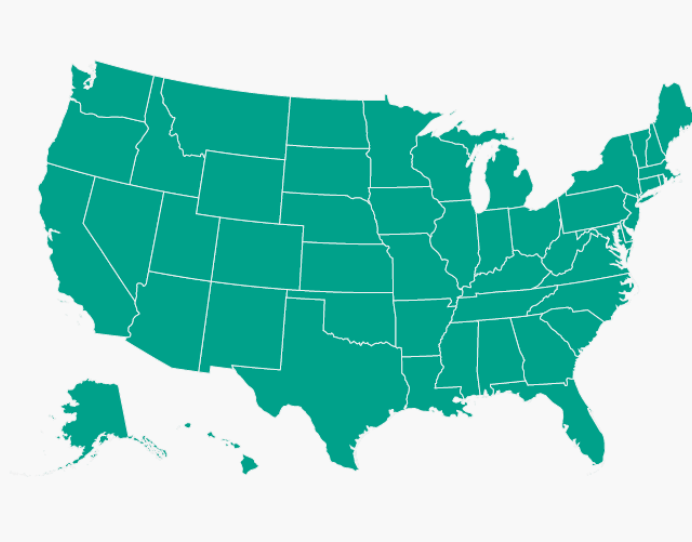
50-State Survey: States That Require Identity Verification for Telemedicine Encounters
ARTICLE / REPORT
50-State Survey: States That Require Identity Verification for Telemedicine Encounters
March 2023
Read time: 2 min

Verifying the identity of a patient prior to delivering telehealth services is important to prevent a range of potential risks, including the creation of fake accounts, insurance fraud and drug abuse/diversion. A growing number of states and health plans require the verification of a patient’s identity. This verification activity has become a standard practice in the telehealth industry and is expected to continue.







DEA Proposes Limited Post-PHE Telemedicine Prescription of Controlled Substances
ARTICLE / REPORT
DEA Proposes Limited Post-PHE Telemedicine Prescription of Controlled Substances
February 28, 2023
Read time: 15 min
On February 24, 2023, the US Drug Enforcement Administration (DEA) issued two proposed rules (the Telemedicine Controlled Substance Proposed Rule and the Telemedicine Buprenorphine Proposed Rule) that would establish additional potential pathways for the prescription of certain controlled substances in limited quantities via telehealth without an initial in-person medical examination. Currently, this practice is allowed during the COVID-19 public health emergency (PHE), which is slated to end on May 11, 2023. The DEA issued a press release, a chart on practitioner rules, frequently asked questions regarding how the proposed rules may impact practitioners and patients, a flow chart explaining the proposed rules and a handout describing whether a prescription is a controlled substance. Stakeholders have 30 days to comment after publication of the proposed rules in the Federal Register.
Key Takeaways
Telehealth providers would no longer be able to prescribe Schedule II controlled substances or narcotics without an in-person evaluation.
Telehealth providers would be able to prescribe a 30-day supply of Schedule III–V controlled substances or buprenorphine as medication for opioid use disorder without an in-person evaluation, but an in-person evaluation (further explained below) would be required for any renewal of such prescriptions.
An exception for provider-patient relationships formed via telehealth during the COVID-19 PHE would allow telehealth providers to continue prescribing Schedule II–V controlled medications through November 7, 2023. After that, an in-person evaluation would be required to continue prescribing.
An in-person evaluation may be conducted by the prescribing telehealth provider, by another DEA-registered provider who participates in a real-time audio-visual telehealth consultation with the patient and the prescribing provider, or by another DEA-registered provider who has performed an in-person evaluation of the patient and refers the patient to the prescribing provider.
The need for an in-person evaluation would make it more challenging for patients who face significant barriers to accessing care without telehealth to continue receiving the controlled medications they need.
Background
The Ryan Haight Online Pharmacy Consumer Protection Act of 2008 requires a telemedicine provider to perform an in-person medical evaluation of a patient prior to prescribing a controlled substance to that patient, unless an exception applies (21 U.S.C. § 829(e)(1)). The act includes a broad exemption to the in-person medical evaluation requirement for the delivery, distribution or dispensing of a controlled substance by a practitioner engaged in the “practice of telemedicine” (21 U.S.C. § 829(e)(3)). However, despite the apparent flexibilities for providers that are delivering services via telemedicine, the “practice of telemedicine” is defined quite narrowly. Specifically, it is defined as an encounter that is provided through a “telecommunications system” (currently defined under 42 CFR § 410.78(a)(3) to require a live audio-visual encounter except with respect to certain mental health treatment under special circumstances, although there is no statutory definition) in one of the following seven circumstances:
A. The patient is being treated in and is physically located in a hospital or clinic.
B. The patient is being treated by and in the physical presence of another practitioner.
C. The patient is being treated by a provider employed by the Indian Health Services.
D. The treatment is occurring during a PHE declared by the secretary of the US Department of Health and Human Services (HHS) involving locations and controlled substances designated by the Secretary and the US Attorney General.
E. The patient is being treated by a practitioner who holds a special registration, requirements for which are set forth at 21 U.S.C. § 831(h).
F. There is a medical emergency and the patient is being treated by an employee of the Veterans Health administration (provided that certain additional requirements are met).
G. The patient is being treated under other circumstances as set forth in regulation as determined jointly by the HHS Secretary and the US Attorney General to be consistent with effective controls against diversion and otherwise consistent with the public health and safety (21 U.S.C. § 802(54)).
The controlled substance prescribing flexibilities invoked in January 2020 in response to the COVID-19 PHE under subparagraph D were set to end with the termination of the PHE on May 11, 2023. Providers and others have long been awaiting the development of the “special registration” process described in subparagraph E, which would require the DEA to establish the circumstances and procedures under which a special registration could be issued under the Ryan Haight Act. In the 14 years since the act’s passage, the DEA has failed to implement such a process, even though Congress imposed a deadline of October 2019 in the 2018 SUPPORT for Patients and Communities Act for the promulgation of final regulations. In the proposed rules, the DEA opted not to implement the registration process and instead invoked its authority under subparagraph G.
Summary of the Rules
Telemedicine Prescribing of Controlled Substances Without Prior In-Person Evaluation
The Telemedicine Controlled Substance Proposed Rule would amend 21 CFR parts 1300, 1304 and 1305 to establish circumstances under which healthcare practitioners may prescribe certain controlled medications via telemedicine encounters. The proposed rule would only be applicable to telemedicine encounters authorized under 21 U.S.C. § 802(54)(G), and would not be applicable to telemedicine encounters pursuant to 21 U.S.C. §§ 802(54)(A)-(G).
Definitions
The Telemedicine Controlled Substance Proposed Rule proposes to amend 21 CFR § 1300.04 to modify the definition of the “practice of telemedicine” to require that telemedicine take place “using an interactive telecommunications system referred to in 42 CFR 410.78(a)(3).” This would not be a substantive change to the DEA’s regulations, but merely a clarification of the existing requirements under 42 CFR 410.78(a)(3)—that interactive telecommunications systems include audio and video equipment permitting two-way, real-time interactive communication between the patient and distant site practitioner, and for certain mental health services, real-time audio-only communication technology. The Telemedicine Controlled Substance Proposed Rule also proposes to amend 21 CFR § 1300.04 to add the following definitions:
- “Qualifying Telemedicine Referral” would mean a referral by a practitioner who has conducted at least one in-person exam of a patient to another practitioner who conducts a telemedicine exam of such patient. This definition would clarify the nature of the medical evaluation relationship that is required for the referral to enable the prescribing practitioner to issue prescriptions in excess of the 30-day limit as described in the proposed 42 CFR § 1306.3 l(c)(2).
- “Telemedicine Encounter” would mean a communication between a practitioner and a patient using an interactive telecommunications system referred to in 42 CFR 410.78(a)(3), while the practitioner is engaged in the practice of telemedicine.
- “Telemedicine Prescription” would mean a prescription issued by a physician or a mid-level practitioner (21 CFR 1300.0l(b)) engaging in the practice of telemedicine.
- “Telemedicine Relationship Established During the COVID-19 Public Health Emergency” would mean a relationship that was not conducted as an in-person medical evaluation of the patient, but rather a telemedicine encounter during the nationwide PHE declared by the HHS Secretary on January 31, 2020 as a result of the Coronavirus Disease 2019 and pursuant to the designation pursuant to that PHE on March 16, 2020, by the HHS Secretary, with concurrence of the Acting DEA Administrator.
Finally, the Telemedicine Controlled Substance Proposed Rule proposes a technical amendment to remove from the DEA’s regulations the “[t]emporary definition of the practice of telemedicine” in 21 CFR 1300.04(j).
Prescriptions
The Telemedicine Controlled Substance Proposed Rule proposes to amend 21 CFR § 1304.06 to allow practitioners to prescribe non-narcotic Schedule III-V controlled substances when certain circumstances are met. The proposed rule would provide several requirements, to be set forth in 21 CFR §1306.31, that a practitioner must satisfy in order to prescribe a controlled substance via a telemedicine encounter:
- Controlled substances may only be prescribed if issued during a telemedicine encounter for legitimate medical purposes by practitioners acting in the usual course of professional practice.
- The prescribing practitioner must be located in the United States or a territory of the United States (e.g., Puerto Rico).
- The prescribing practitioner must be authorized to prescribe controlled substances under applicable state controlled substance prescribing registrations where the practitioner is located and where the patient is located.
- The practitioner must review the prescription drug monitoring program (PDMP) in the state in which the patient is located for the past year (or for Veterans Affairs (VA) practitioners, the VA’s centralized health information system).
- The practitioner must include a notation—either on the face of the prescription or within the prescription order if prescribed electronically—that the prescription has been issued via a telemedicine encounter.
The commentary to the Telemedicine Controlled Substance Proposed Rule specifically notes that the third item above would require that a practitioner using telemedicine to prescribe a controlled substance be authorized to prescribe that basic class of controlled substance under DEA registrations in both the state where the practitioner is located and the state where the patient is located.
The Telemedicine Controlled Substance Proposed Rule would allow a practitioner to prescribe non-narcotic Schedule III-V controlled substances, and would exclude the prescription of Schedule II controlled substances via telemedicine encounters. To combat diversion of controlled substances, the Telemedicine Controlled Substance Proposed Rule proposes that prescriptions for controlled substances be time-limited for each patient (unless conducted by VA practitioners). Under the proposed rule, practitioners could prescribe controlled substances to a patient using telemedicine only for a 30-day supply, and could only continue prescribing beyond the 30-day window if the practitioner would have to see the patient in-person, the practitioner performs a synchronous audio-video telemedicine encounter with the patient while the patient is located in the physical presence of another DEA registered practitioner, or the practitioner receives a qualifying telemedicine referral from a DEA registered practitioner who has conducted an in-person exam of the patient. Once any of these criteria is satisfied, the Telemedicine Controlled Substance Proposed Rule would allow a practitioner to continue prescribing a controlled medication to a patient without additional evaluations, unless otherwise required by law.
The Telemedicine Controlled Substance Proposed Rule would require practitioners review the PDMP in the state in which the patient is located for the past year (or for VA practitioners, the VA’s centralized health information system). If the PDMP is nonoperational and therefore a practitioner is unable to review a patient’s prior prescription history, then the practitioner may only prescribe a seven-day prescription of controlled substances, which can only be refilled upon the practitioner s successful review of the PDMP, which must occur within seven days of the telemedicine encounter. During time period in which the practitioner is not able to access the PDMP, she must annotate in the prescription the dates and times she attempted to access the PDMP, the reason why she could not gain access to the PDMP, and any follow-up attempts to gain access to the PDMP. Once able to access the PDMP, the practitioner may refill the prescription for the controlled substance; however, together with the initial seven-day prescription, the refill may not exceed a 30-day supply.
Record Keeping
Pursuant to the Telemedicine Controlled Substance Proposed Rule, the DEA proposes to amend 21 CFR § 1304.04 to require practitioners to keep detailed records regarding prescriptions issued as a result of a telemedicine encounter at the registered location identified in the practitioner’s DEA registration (21 CFR § 1301.13.), in digital or paper form that is readily accessible. As part of the practitioner’s records for each prescription a practitioner issues pursuant to a telemedicine encounter, the practitioner must maintain a record of the following:
- Date the prescription was issued
- Full name and address of the patient
- Drug name, strength, dosage form, quantity prescribed and directions for use
- Address at which the practitioner is located during the telemedicine encounter, and the city and state in which the patient is located during the telemedicine encounter
- If issued through a qualifying telemedicine referral, the name and National Provider Identifier (NPI) of the referring practitioner (with a copy of the referral and any communications shared pursuant to 21 CFR § 1306.3
- All efforts to comply with the requirement of accessing the PDMP system.
The Telemedicine Controlled Substance Proposed Rule would also require practitioners to maintain copies of all qualifying referrals they issue. The rule also proposes to set requirements for practitioners to maintain records related to medical evaluations conducted with the patient and another DEA practitioner physically together at the other end of an audio-video link. Both the prescribing practitioner and the DEA-registered healthcare worker physically present with the patient must maintain, for each medical evaluation, the following:
- The data and time of the evaluation
- The NPI of the DEA-registered healthcare worker physically present with the patient
- The address at which the prescribing practitioner is located during the telemedicine encounter
- The address at which the DEA-registered healthcare worker is physically present with the patient during the medical evaluation.
The commentary to the Telemedicine Controlled Substance Proposed Rule acknowledges that practitioners may practice telemedicine in multiple states (e.g., where the patient is located). To avoid the confusion (and the burden) of requiring practitioners to maintain medical records in each state in which they provide telemedicine encounters, and to allow the DEA to readily locate records when necessary, practitioners need only maintain such records at the location identified in their DEA registration (21 CFR § 1301.13).
Expansion of Induction of Buprenorphine via Telemedicine Encounter
The Telemedicine Buprenorphine Proposed Rule would expand the circumstances under which practitioners are authorized to prescribe buprenorphine for use in the maintenance or detoxification treatment of opioid-use disorder via a telemedicine encounter, including an audio-only telemedicine encounter that meets the standard of 42 CFR 410.78(a)(3), provided certain requirements and conditions are met. In addition to the requirements proposed under the Telemedicine Controlled Substance Proposed Rule (the expanded and amended definitions, the record keeping requirements and the prescribing requirements including supply limitations, as outlined above), the Telemedicine Buprenorphine Proposed Rule would amend 21 CFR §1306 to provide the following:
- The Telemedicine Buprenorphine Proposed Rule would clarify that buprenorphine may only be prescribed if “issued for maintenance or detoxification treatment” and not for any other purpose.
- The Telemedicine Buprenorphine Proposed Rule would add a new section 1306.34, setting forth the circumstances in which practitioners are authorized to use the expanded authorities to prescribe buprenorphine:
- A practitioner must obtain and maintain a DEA registration in the state where the practitioner is located. See 21 U.S.C. 823(g) and 21 CFR 1301.13(e)(l)(iv).
- A practitioner must be authorized by state law, or not otherwise prohibited by state law, from practicing telemedicine in the state in which the patient is located and the state in which the practitioner is located. This means, for example, that practitioners may not prescribe buprenorphine in states where state law prohibits the prescription of a controlled substance based solely on an audio-only evaluation.
- Prescription must comply with the provisions of the relevant Controlled Substances Act and DEA regulations that govern dispensing for maintenance and detoxification treatment.
- A practitioner must be technically capable of using audio and video equipment permitting two-way, real-time interactive communication with the patient at the time of the telemedicine encounter.
- All prescriptions issued based on a telemedicine encounter under the authority of the rule must be issued for a Schedule III, IV or V narcotic drug approved by the US Food and Drug Administration specifically for use in maintenance or detoxification treatment and must be issued pursuant to 21 CFR 1306.04.
- Practitioners must review and consider relevant PDMP data in the state where the patient is located prior to prescribing buprenorphine.
Analysis
Although the new rules would expand the use of telemedicine for prescribing controlled substances beyond what was allowed before the COVID-19 PHE, they would re-establish the barriers many patients face in accessing in-person care, and the barriers that telehealth providers that do not have physical locations face in providing care, by requiring at least one in-person visit. Even though the DEA did not decide to establish a special registration process, explaining that doing so would be too burdensome for both prospective telemedicine providers and patients, not establishing a telehealth-only pathway to treatment is also burdensome.
What Works
- The new rules would allow telehealth providers who have formed a provider-patient relationship with patients during the COVID-19 PHE to continue prescribing controlled medications through November 7, 2023, allowing them six months from the end of the PHE to re-evaluate their business model in order to fall under one of the three pathways permitted to conduct an in-person evaluation.
- Providers with a hybrid model of providing care (via telehealth and in person) may continue to benefit from the expansion of telemedicine with controlled medications because they have a physical location to accommodate at least one in-person visit per patient.
What’s Missing/What Doesn’t Work
- Patients who were unable to get the controlled medications they needed before the COVID-19 PHE flexibilities went into effect would face the same challenges because the barriers they previously faced in accessing in-person care, whether geographical or socioeconomic, are likely still present.
- Telehealth providers that do not have physical locations, especially those who currently treat patients in all 51 jurisdictions, would need to rely on other providers to conduct an in-person evaluation to establish a physical presence to continue care for their patients. It is unclear whether this reliance on other providers would pose issues, such as liability issues or unwillingness by other providers to provide a referral.
- The proposed rules would not create a special telemedicine registration process, which was a process contemplated in the telemedicine exceptions to the Ryan Haight Act and the subject of a congressional directive to the DEA under the 2018 SUPPORT for Patients and Communities Act.
State Law Still Matters
Although the Ryan Haight Act is often the focus of telemedicine remote prescribing compliance, in reality remote prescribing regulation is largely left to the states. Remote prescribing restrictions can be commonly found in telemedicine-specific statutes or regulations, pharmacy practice acts and medical practice acts, and in controlled substances acts themselves. Some states may still require an in-person encounter prior to prescribing controlled substances to treat a patient. While many states introduced flexibilities for the prescribing of controlled substances in light of COVID-19, many flexibilities have expired or will expire soon, reverting to the pre-COVID-19 landscape at the state level. As a result, the effect of the DEA’s new position could be limited within a particular state by the application of state laws that are more stringent.

United States v. Blaszczak Continues to Reshape Insider Trading Law
ARTICLE / CLIENT ALERT
United States v. Blaszczak Continues to Reshape Insider Trading Law
February 28, 2023
Read time: 11 min
On Dec. 27, 2022, the U.S. Court of Appeals for the Second Circuit issued another decision in United States v. Blaszczak (“Blaszczak II”), this time delivering a victory to defendants accused of insider trading based on non-public predecisional government information.[1] The case was heard by the Second Circuit following remand from the Supreme Court after its ruling in Kelly v. United States, 140 S. Ct. 1565 (2020), clarifying what can be considered “property” under federal criminal statutes. We had previously written about the Blaszczak case while the decision from the Second Circuit was pending[2] and, earlier, after the Second Circuit’s initial ruling in the case.[3]
Blaszczak is a prime example of how the law of insider trading is judge-made. To bring insider trading cases in the absence of a federal statute targeting insider trading, prosecutors have adapted various more general statutes, including the anti-fraud prohibitions in Section 10(b) of the Securities Exchange Act and Rule 10b-5 promulgated thereunder and, increasingly, a potpourri of other federal statutes. Blaszczak illustrates the overlapping, conflicting and uncertain scope of these different laws. Going forward, Blaszczak will continue to influence how insider trading cases are prosecuted, although what impact it will have remains to be seen.
Background
The underlying prosecution was brought based on allegations that David Blaszczak shared non-public information given to him by Christopher Worrall, an employee of the Centers of Medicare and Medicaid Services (“CMS”) at the time. The information related to upcoming announcements by CMS adjusting the reimbursement rates for Medicare and Medicaid services. Blaszczak allegedly shared this information with hedge fund analysts Robert Olan and Theodore Huber so they could make investments relating to public companies with the understanding that this news would impact those companies’ stock prices.
In 2017, the U.S. Attorney’s Office in Manhattan brought insider trading charges against all four individuals, emphasizing that “[j]ust like trading on material nonpublic corporate information can be a federal crime, so can trading based on secret government information, as alleged to have happened here.”[4] In time, this announcement would prove less than prescient.
In 2018, a jury in the Southern District of New York acquitted all four defendants on charges that they committed securities fraud under § 10(b), but found the defendants guilty of several other crimes under other statutes, including violating and/or conspiring to violate:
- 18 U.S.C. § 1343, the federal wire fraud statute;
- 18 U.S.C. § 1348, a federal criminal securities fraud statute that is separate from § 10(b) and was enacted in 2002 as part of the Sarbanes-Oxley Act;
- 18 U.S.C. § 641, which makes it a crime to convert property of the United States; and
- 18 U.S.C. § 371, which outlaws conspiracies to defraud the United States.
The Appeals – Blaszczak I
The Blaszczak defendants appealed their convictions to the Second Circuit (“Blaszczak I”). In 2019, the Second Circuit upheld the defendants’ convictions in Blaszczak I for wire fraud and Title 18 securities fraud and, in so doing, held that these statutes do not require proof of a “personal benefit” to the tipper, or knowledge of such a benefit on the part of a downstream tippee, as required in insider trading cases brought under § 10(b).[5]
The defendants in Blaszczak I also argued that their convictions should be vacated because “nonpublic predecisional information” does not constitute “property” for purposes of the criminal statutes at issue. Convictions based on the wire fraud and Title 18 securities fraud statutes are limited to schemes to defraud a victim of “money or property,” and convictions based on § 641 require that the confidential information be a “thing of value.” According to defendants’ argument, if CMS’s confidential information did not constitute “property” or a “thing of value” then those convictions were invalid. By a 2-1 vote, however, the Second Circuit rejected this argument in Blaszczak I.
The appeals continued.
The Appeals – To the Supreme Court
In 2020, before the Blaszczak defendants had sought further review of the Second Circuit’s decision, the Supreme Court decided Kelly v. United States, which dealt with the “property” or “thing of value” issue central to the defendants’ argument in Blaszczak I.[6] Kelly involved New Jersey government officials charged with wire fraud for falsely claiming to be conducting a “traffic study” in order to limit the number of lanes available to access the George Washington Bridge as political retribution against a New Jersey mayor.
In Kelly, the Supreme Court held that charges of wire fraud require that the defendant’s fraudulent scheme seek to obtain “money or property.” Since the conduct at issue was an exercise of regulatory power and did not actually take anything that had value in the hands of the government, notwithstanding loss of employee time and labor on the bogus study (an “incidental byproduct” to the scheme), the Supreme Court concluded that the convictions could not stand.[7]
Taking note, the Blaszczak defendants filed petitions for certiorari with the Supreme Court. With the government’s agreement, the Supreme Court granted the petitions for certiorari, vacated the Second Circuit’s decision and remanded the case for reconsideration in light of Kelly.[8]
The Appeals – Blaszczak II
On remand, the Blaszczak defendants argued that in light of the Supreme Court’s decision in Kelly, the CMS information at issue did not constitute “property” or a “thing of value.”[9] The government, in an unusual move, agreed with that conclusion and confessed error as to the substantive counts and as to the conspiracy count premised on crimes concerning “property,” arguing that those counts should be reversed or remanded to the district court for dismissal.[10] However, the government sought an affirmance on the remaining conspiracy counts on which certain defendants were convicted that were not premised exclusively on the government information being considered “property.”
In another 2-1 decision, the Second Circuit, agreeing with the parties, reversed course in Blaszczak II and overturned defendants’ convictions on those charges that required information to constitute “property” under the federal statutes (§ 1343 and § 1348) or a “thing of value” (§ 641).[11] Flipping their roles from Blaszczak I, Judge Amayla L. Kearse (who wrote the dissent in Blaszczak I) issued the opinion for the panel, and Judge Richard J. Sullivan (who wrote the majority opinion in Blaszczak I) dissented. Judge John M. Walker (who had not sat on the Blaszczak I panel) joined Judge Kearse’s opinion.
The court determined that the government’s decision to seek dismissal of the counts under §§ 1343, 1348 and 641 was to be granted deference based on its power to prosecute.[12] However, the court was clear to note that the “government’s confession of error does not automatically govern an appellate court’s disposition of an appeal.”[13] Nonetheless, the court engaged in an independent review and “confirm[ed] that the dismissals requested by the government are required following Kelly” on the basis that CMS’s predecisional regulatory information was not “property” or a “thing of value” to CMS and, therefore, could not be the basis for a charge under the criminal statutes at issue.[14]
As to defendants’ conspiracy convictions, the court further determined that because “the jury was not given questions to answer that would reveal which one or more of the alleged conspiratorial goals it found proven,” reversal was required because the jury could have made its determination based on its belief that the Blaszczak defendants conspired to commit a property crime.[15] By the same token, however, because the jury likewise could have found the defendants guilty for conspiring to commit a non-property crime (Title 15 securities fraud or conspiracy to defraud the United States), the court rejected the Blaszczak defendants’ argument that those convictions should simply be reversed[16] Those charges were remanded for further proceedings, which may include a new trial.[17]
These holdings are limited to material nonpublic information from government sources. The holdings in this case do not affect insider trading liability in the context where material nonpublic information has been allegedly misappropriated from a private enterprise. Federal property fraud statutes still apply to intangible property rights, such as in Carpenter v. United States, where the Supreme Court upheld convictions based on misappropriation of confidential business information.[18] Likewise, the decision does not affect the scope of either criminal or civil liability under § 10(b) of the Exchange Act, which federal prosecutors and the SEC continue to primarily use to bring insider trading cases.
Notably, based on the posture of the case, the court did not need to address the issue of whether a tipper needs to receive a “personal benefit.” That did not stop one panel member from addressing it anyway.
Specifically, Judge Walker wrote a concurring opinion to “highlight an anomaly” in Blaszczak I, namely, that a criminal conviction for tipper-tippee insider trading prosecuted under § 1348 does not require proof that the tipper received a personal benefit, whereas liability for the same conduct under § 10(b)—whether prosecuted criminally or civilly — does require proof of a personal benefit.[19] This struck Judge Walker as “odd” and as offensive to “traditional notions of fair play.”[20] “It should not,” he wrote, “require fewer elements to prove a criminal conviction than to impose civil penalties for the same conduct.”[21] Judge Walker also expressed concern that Blaszczak I’s broad reading of § 1348 insider trading would inhibit lawful market activity and posed a challenge to “the lawyer advising the security analyst who has no desire to run afoul of the law but wants to be able to do his job effectively.”[22]
In contrast, Judge Sullivan remained convinced that the convictions should be affirmed based on the reasons set forth in Blaszczak I and because he thought the “majority opinion effectively permits sophisticated insiders to leverage their access to confidential government information and sell it to the highest bidders.”[23] Likewise, Judge Sullivan took issue with the concurrence because the “personal benefit” issue was not properly before the court.[24]
Going Forward
As it stands, the Blaszczak defendants will return to the district court, potentially for a new trial on the conspiracy charges — some five years after their first trial. No matter what ultimately happens with the remaining charges, Blaszczak will influence insider trading prosecutions going forward.
The effects will be most strongly felt in situations dealing with nonpublic information from the government and governmental agencies. To the extent prosecutors want to bring cases involving government sources of nonpublic information, they will be hard-pressed to bring claims requiring a showing that such information is “property” or a “thing of value.”
For insider trading cases more broadly, Judge Walker’s concurrence and Judge Sullivan’s dissent further highlight the fickle judge-made nature of insider trading law. Prosecutors may continue to get creative as to how they bring insider trading cases, but at least some members of the Second Circuit are willing to question whether a “personal benefit” is required in a tipper-tippee case under § 1348. Since Blaszczak I was vacated, it no longer has binding precedential effect[25] and the “personal benefit” issue is again a live one in the Second Circuit.
Authored by Gary Stein, Charles J. Clark, Craig S. Warkol, Peter H. White, Douglas I. Koff and Benjamin Lewson.
If you have any questions concerning this Alert, please contact your attorney at Schulte Roth & Zabel or one of the authors.
[1] United States v. Blaszczak, 56 F.4th 230 (2d Cir. 2022).
[2] See United States v. Blaszczak Poised to Further Reshape Insider Trading Law, SRZ Securities Enforcement Quarterly July 2021.
[3] See Insider Trading Law in Flux – What Advisers Need to Know, SRZ Client Alert, Jan. 29, 2020.
[4] Press Release, U.S. Attorney’s Office for the SDNY, Four Charged in Scheme to Commit Insider Trading Based on Confidential Government Information (May 24, 2017).
[5] United States v. Blaszczak, 947 F.3d 19 (2d Cir. 2019), vacated and remanded, 141 S. Ct. 1040 (2021).
[6] Kelly v. United States, 140 S. Ct. 1565 (2020).
[7] Id. at 1573-74.
[8] Olan v. United States, 141 S. Ct. 1040 (2021); Blaszczak v. United States, 141 S. Ct. 1040 (2021).
[9] Blaszczak II, 56 F.4th at 236.
[10] Id. at 236-37.
[11] Id. at 237.
[12] Id. at 242.
[13] Id. (internal quotation and citation omitted).
[14] Id. at 245.
[15] Id.
[16] Id. at 246.
[17] Id.
[18] Carpenter v. United States, 484 U.S. 19 (1987).
[19] Blaszczak II (Walker, J. concurring) at 246.
[20] Id.
[21] Id.
[22] Id. at 250.
[23] Blaszczak II (Sullivan, R. dissenting) at 250.
[24] Id. at 261-63.
[25] See Los Angeles Cnty. v. Davis, 440 U.S. 625, 634 n.6 (1979) (noting that a Supreme Court decision “vacating the judgment of the Court of Appeals deprives that opinion of precedential effect”) (citation omitted).
This communication is issued by Schulte Roth & Zabel LLP for informational purposes only and does not constitute legal advice or establish an attorney-client relationship. In some jurisdictions, this publication may be considered attorney advertising. ©2023 Schulte Roth & Zabel LLP.
All rights reserved. SCHULTE ROTH & ZABEL is the registered trademark of Schulte Roth & Zabel LLP.



Customer Reviews: Five-Star Enforcement and the Expanding Regulations
ARTICLE / CLIENT ALERT
Customer Reviews: Five-Star Enforcement and the Expanding Regulations
February 27, 2023
Read time: 5 min
Does your company sell to consumers or businesses that can leave reviews or rate your products? Whether your customers can leave reviews on your website or another public-facing review platform, companies should be aware of new developments in the consumer review enforcement space that may impact how you publicize and conduct your product rating and review system. If you are not aware of the expanding consumer review regulations, it could cost your company millions or even land you in jail.
CUSTOMER REVIEWS AND PROPOSED REVISIONS
Section 5 of the Federal Trade Commission (FTC) Act (the Act) prohibits unfair and deceptive acts and practices. Specifically, as the Act relates to customer reviews: negative customer reviews and ratings cannot be suppressed or hidden; any incentives for reviews must be disclosed; material connections between a reviewer and the reviewed product must be disclosed; and review gating is prohibited. The FTC has heightened its focus on consumer reviews as of late and proposed revisions to the Endorsement Guides for advertisers that would tighten enforcement against posting false positive reviews or manipulating consumer perception by suppressing negative reviews, among other things. The proposed guideline revisions would state that “in procuring, suppressing, boosting, organizing, or editing consumer reviews of their products, advertisers should not take actions that have the effect of distorting or otherwise misrepresenting what consumers think of their products.” See Federal Register, Guides Concerning the Use of Endorsements and Testimonials in Advertising, Section IV (C) (July 26, 2022), https://www.federalregister.gov/documents/2022/07/26/2022-12327/guides-concerning-the-use-of-endorsements-and-testimonials-in-advertising. In addition to broadening its Endorsement Guides, the FTC has already demonstrated a significant increase in consumer review enforcement—including pursuing increased penalties and new priorities like review hijacking.
CONSULTANT RECEIVES PRISON SENTENCE FOR BRIBED REMOVAL OF NEGATIVE REVIEWS
In February 2023, Hadis Nuhanovic, a merchant consultant, was sentenced to 20 months in prison for taking part in a global scheme in which he bribed employees of a technology platform to remove negative online reviews on his clients’ products and reinstate suspended accounts, among other illegal activities such as stealing sensitive company information related to product-review rankings and targeting his clients’ competitors on the platform. Nuhanovic, together with a co-defendant, reached out to platform employees in India and bribed them to obtain unfair advantages for his own business’ gain. For example, Nuhanovic admitted that he paid a platform employee to remove negative reviews and further admitted that he operated multiple sham accounts—created using false information—to purchase products from merchants and submit negative reviews about them, with the intention of deceiving consumers and harming the targeted accounts. Additionally, Nuhanovic used his sham accounts to leave positive reviews for his preferred accounts, further deceiving consumers and improving the placement of certain favored products in searches.
In addition to the review bribes, Nuhanovic was investigated for other related crimes to which he ultimately pled guilty. He was sentenced to three years of supervised release on top of the 20 months in prison and forced to forfeit $100,000 and pay $160,000 in unreported taxes.
COMPANY FORCED TO PAY FOR “REVIEW HIJACKING”
“Review hijacking” occurs when a company—in advertising its products or services—steals or repurposes reviews of another product or service it offers. Review hijacking constitutes false advertising and can take place when a company merges its new products with different, older but more established products that already have ratings, reviews or badges on a website.
In its first enforcement action targeting customer review hijacking, on February 16, 2023, the FTC obtained a consent agreement with The Bountiful Company (Bountiful) for “manipulating product pages and deceiving consumers” that included a $600,000 payment for consumer monetary relief. As alleged by the FTC, Bountiful abused a feature, which allowed the company to trick consumers into believing that its newly introduced products had more ratings and reviews, higher average ratings, and “#1 Best Seller” badges. Some platforms have a feature that allows vendors to place new products on the same product detail page as older variations with the total ratings, average star rating and reviews for all products in the variation relationship; Bountiful, however, allegedly took advantage of that feature to advertise its supplement products with different formulations to boost visibility and increase sales.
The FTC views this kind of review hijacking as clearly deceptive and unfair to consumers and thus, has heightened its focus on companies who use this practice to boost new products’ ratings and reviews.
CONCLUSION AND TAKEAWAYS
The FTC and US Department of Justice’s broad enforcement indicates the agencies’ trend toward pushing the boundaries on holding companies accountable for deceiving consumers. Enforcement actions like Nuhanovic could signal a new criminal approach by the agencies to hold companies and individuals accountable for consumer deception, particularly as it relates to customer reviews.
In response to Nuhanovic, some platforms have indicated they have systems in place and teams organized to detect, investigate and stop suspicious or illegal activity and hold bad actors accountable. Companies with similar product review or rating systems should set up detection systems and remain vigilant of attempts both internally and externally to manipulate customer perception or be prepared to face the consequences.



A Win for Employers: Ninth Circuit Holds That California AB 51 Prohibiting Mandatory Arbitration Is Preempted by the Federal Arbitration Act
ARTICLE / CLIENT ALERT
A Win for Employers: Ninth Circuit Holds That California AB 51 Prohibiting Mandatory Arbitration Is Preempted by the Federal Arbitration Act
February 27, 2023
Read time: 5 min
As of February 15, 2023, employers in California may once again require mandatory arbitration as the US Court of Appeals for the Ninth Circuit held that the Federal Arbitration Act (FAA) preempts Assembly Bill 51 (AB 51), a law that prohibited “forced arbitration” as a condition of employment.
After years of litigation, the Ninth Circuit’s ruling upholds a federal district court’s preliminary injunction that temporarily blocked California from enforcing AB 51 and all but guarantees that AB 51 will never be enforceable. While California could seek review from the Ninth Circuit (en banc) or the Supreme Court of the United States, given the Supreme Court’s line of cases upholding FAA preemption, we think this decision will stand.
That said, US President Joe Biden’s Ending Forced Arbitration of Sexual Assault and Sexual Harassment Act of 2021 (HR 4445) must not be ignored. Employers may include sexual harassment and sexual assault claims in a voluntary arbitration agreement, but an employee may choose to file these particular claims in court.
A MORE IN-DEPTH CASE DISCUSSION
At issue in this case was whether the FAA preempts California’s AB 51. In its latest ruling, the Ninth Circuit held that the answer is “yes,” reasoning that AB 51’s imposition of criminal penalties on employers entering into arbitration agreements as a condition of employment or continued employment is an “obstacle” to the FAA’s purpose. Further, the Court explained that AB 51 discriminates against arbitration by (1) discouraging or prohibiting the formation of an arbitration agreement, even if the agreement is ultimately enforceable, and (2) burdens the defining features of arbitration agreements.
What Is AB 51?
Even though the FAA embodies the national policy favoring arbitration, over the years, California legislature has engaged in a prolonged effort to craft legislation to prevent employers from requiring employees to enter into arbitration agreements as a condition of employment. To that end, California legislature passed AB 51 in 2019, which added Section 432.6 to Article 3 of the California Labor Code and effectively barred an employer from requiring an employee or applicant for employment to enter into an agreement to arbitrate certain claims as a condition for being hired or for keeping a job.
To circumvent Supreme Court precedent, which holds that a state rule that discriminates against arbitration is preempted by the FAA, the legislature included a provision in AB 51 that ensures that if the employer and employee did enter into an arbitration agreement, the agreement was nonetheless enforceable. This resulted in the oddity that under AB 51, employers would be subject to criminal prosecution for requiring an employee to enter into an arbitration agreement, but employers could still enforce the executed arbitration agreement.
Enforcement of AB 51 Halted
On December 30, 2019, before AB 51 could take effect, a federal district court issued a temporary restraining order halting enforcement of the law. In January 2020, that court issued a preliminary injunction enjoining its enforcement.
In 2021, the Ninth Circuit partially reversed the district court’s decision and upheld AB 51 in part. Specifically, the Ninth Circuit affirmed the lower court’s decision that the FAA preempts the civil and criminal penalties under AB 51 but lifted in part the injunction, explaining that the FAA does not preempt AB 51’s regulation of an employer’s conduct before executing the arbitration agreement. Notably, however, the Court later withdrew the decision in August 2022 and reheard the case.
The Ninth Circuit’s Latest Ruling
On February 15, 2023, the Ninth Circuit revisited the case and held that the FAA preempts AB 51 and enjoined enforcement of the law in its entirety. The Court explained that the FAA preempts state laws that affect the enforceability of arbitration agreements and laws that discriminate against the formation of arbitration agreements, joining the First and Fourth Circuits. The Court reasoned that although AB 51 does not expressly bar arbitration agreements, it disfavors the formation of arbitration agreements and stands as an obstacle to the FAA’s purpose by deterring employers from entering into arbitration agreements by imposing civil and criminal sanctions on those who do so. AB 51’s penalty-based scheme to inhibit arbitration agreements before they are formed violates the equal treatment principle inherent in the FAA. Moreover, the Court reasoned that all of AB 51’s provisions work together and, therefore, the Court declined to uphold parts of the law and sever others as it had previously done.
Thus, employers may take comfort in the fact that the door is open for mandatory arbitration once again.
KEY TAKEAWAYS FROM THE CASE
- While California employers may impose mandatory arbitration as a condition of employment, the decision of whether to require mandatory arbitration and how to craft the agreement requires careful consideration with counsel as the legal landscape quickly changes.
- For example, employers should still consider whether their arbitration agreement will include a class and collective action waiver (we recommend doing so), how to carve out sexual harassment and sexual assault claims, and how to incorporate Viking River Cruises, Inc. v. Moriana, 596 U.S. (2022), which permits employers to require employees to arbitrate individual Private Attorneys General Act claims.
- In sum, employers must be vigilant and keep their arbitration agreements up to date—and it doesn’t hurt to include a severability provision.
Please reach out to your regular McDermott lawyer or one of the authors of this article if you have questions.



France’s Renewable Energy Acceleration Bill Removes Barriers to Project Development
ARTICLE / CLIENT ALERT
France’s Renewable Energy Acceleration Bill Removes Barriers to Project Development
February 2023
Read time: 5 min
On February 8, 2023, the French Senate voted for the adoption of the Renewable Energy Acceleration Bill (Projet de loi relatif à l’accélération de la production d’énergies renouvelables) which was first introduced in September 2022 by France’s Energy Transition Minister, Agnès Pannier-Runacher. The bill is a culmination of months of negotiations among the members of the National Council for Ecological Transition (le conseil national de la transition écologique).
The overarching objective of the bill is to remove barriers to the development of renewable energy projects by improving administrative processes and expanding access to project sites. The bill comes at a time when France is behind in meeting its objective of sourcing 32% of its energy consumption from renewables by 2030 set by the Renewable Energy Directive 2018/2001/EU.
The key takeaways of the bill are:
- The creation of “acceleration zones,” (des zones d’accélération pour l’implantation d’installations terrestres de production d’énergies renouvelables), in which procedures for developing renewable energy projects will be expedited. Areas meeting the following criteria can become “acceleration zones”:
– having the potential to accelerate the production of renewable energy as a result of, for example, abundant sunlight or wind;
– contributing to the solidarity of supply between territories, therefore decreasing the dependence on foreign importation of energy;
– posing no risk of water nor land pollution;
– taking into account the need to diversify renewables according to the specific characteristics in each territory, thereby confirming France’s commitment to develop a variety of sectors; and
– are not national parks or natural reserves, thus maintaining the country’s protection of competing environmental concerns. - Renewable energy installation projects will satisfy the presumption of serving an overriding public interest and thus may qualify for certain exemptions set out in the Environmental Code regarding zoning and natural habitats.
- Reducing administrative delays. One of the factors attributed to France’s lag in renewable energy production was the issue of administrative delay, as on average it currently takes five years of administrative procedures to build a solar park, seven years for an onshore wind farm and ten years for an offshore windfarm. According to the new bill, processing time for the examination phase in acceleration zones will now have a maximum time limit of three months.
- The definition and promotion of “Agrivoltaics,” an installation of electricity production using solar irradiation that also contributes long-term to the installation, maintenance, or development of agricultural production. While additional implementing measures are needed to know precisely how this industry will be promoted and regulated, this development is significant given that over half the territory of France is agricultural land previously unavailable to renewable energy projects.
- More sites will be made available for the installation of solar panels. Under consideration specifically is land running parallel to roads and highways, wasteland along the coast, and land in mountainous communities with a carte communale. Additionally, parking lots larger than 1500 square meters now must have solar thermal or solar photovoltaic energy production devices on at least half of their surfaces.
- Commercial, industrial, artisanal or administrative buildings, as well as hospitals and other buildings that are at least 500 square meters must have some form of renewable energy production (e.g., revegetation).
Notably, France was the only EU country to fail to meet its 2020 objective of sourcing 23% of its energy consumption from renewables, and thus there is a significant opportunity now for project developers and other investors to help France achieve its more aggressive goals for 2030 and beyond.
For the moment, the effectiveness of the bill remains uncertain as, following the Senate vote, it was referred to the Constitutional Council (Conseil constitutionnel), where it is now awaiting a decision on whether certain provisions are compatible with the French constitution. This referral was made by policy makers who contest aspects of the bill (i) confirming that renewable energy projects serve an overriding public interest and (ii) offsetting the impact of lower than anticipated production due to unexpectedly poor weather conditions. Some consider that these elements unfairly favor the renewable energy sector and create an imbalance with traditional energy producers.
Notwithstanding the constitutional road-bump just mentioned, the new bill is a welcome development for new renewable energy projects in France.
Our Paris-based team is available to advise on all aspects of a renewable energy project, with our multidisciplinary team working in the regulatory, agriculture and trade, corporate advisory, and disputes practices. We will be preparing regular updates as the situation develops.





DOJ Formalizes Guidelines, Incentives for Corporate Self-Disclosure Through New Policy Directive for US Attorneys’ Offices
ARTICLE / CLIENT ALERT
DOJ Formalizes Guidelines, Incentives for Corporate Self-Disclosure Through New Policy Directive for US Attorneys’ Offices
February 27, 2023
Read time: 7 min
On February 24, 2023, the US Department of Justice (DOJ) rolled out a corporate self-disclosure policy (the Policy) to be applied by all 93 US Attorneys’ Offices throughout the country. The details of the Policy—which formalizes and defines what will be required for companies seeking credit for a “voluntary self-disclosure”—have been drawn from existing policies within other components of DOJ, including, notably, the Foreign Corrupt Practices Act Unit and Antitrust Division. The new Policy ensures for the first time that uniform standards will be applied at the local level by all US Attorneys’ Offices nationwide.
In short, the Policy heavily encourages timely self-disclosure and cooperation by promising the prospect of more lenient resolutions (including declinations) and reduced penalties for companies that promptly self-report misconduct. Consistent with prior recent statements from DOJ leadership, the Policy puts particular emphasis on the timeliness of self-reporting and provides details on how US Attorneys’ Offices will evaluate certain potentially aggravating factors, including the involvement of senior leadership in the alleged misconduct and the company’s history of regulatory, civil or criminal misconduct. (See, e.g., Remarks from Assistant Attorney General Kenneth A. Polite, Jr., on Revisions to the Criminal Division’s Corporate Enforcement Policy, Jan. 17, 2023; Memorandum from Deputy Attorney General Lisa O. Monaco, “Further Revisions to Corporate Criminal Enforcement Policies Following Discussions with Corporate Crime Advisory Group,” Sept. 15, 2022; Memorandum from Deputy Attorney General Lisa O. Monaco, “Corporate Crime Advisory Group and Initial Revisions to Corporate Criminal Enforcement Policies,” Oct. 28, 2021.) While certain aspects of the Policy may thus be familiar, it nonetheless provides important guidance to those engaging with local US Attorneys’ Offices on corporate investigations and prosecutions, while setting consistent standards for engaging with federal prosecutors nationwide.
ELEMENTS OF THE POLICY
Under the Policy, companies that self-report misconduct, fully cooperate with any investigation by DOJ, and timely and “appropriately” remediate will receive more lenient treatment than if prosecutors discover the misconduct or commence an investigation prior to the self-disclosure. See Policy at (II)(A).
The Policy puts particular emphasis on the timeliness of self-disclosure. A company is considered to have voluntarily self-disclosed if it (i) becomes aware of the misconduct before the DOJ has been made aware of the misconduct and (ii) makes a timely disclosure of all known relevant facts “prior to an imminent threat of disclosure or government investigation.” See Policy at (A)(2)-(3). As the DOJ emphasized in its January 2023 revisions to the Criminal Division’s Corporate Enforcement Policy, “timely” may effectively mean “immediately” where corporations seek a full declination. Indeed, the Policy specifically notes that “a company may not know all relevant facts at the time of the [voluntary self-disclosure]” and suggests that a company “make clear that its disclosure is based upon a preliminary investigation or assessment of information.” The Policy adds that DOJ expects additional, comprehensive, factual updates from companies as their “investigation progresses.”
Even where a company believes DOJ may already be aware of the misconduct—and thus that a self-disclosure may not fully meet the criteria above—the new Policy still encourages “[p]rompt self-disclosures to the government,” noting that such self-disclosure will still “be considered favorably.” See Policy at (I).
The Policy also includes guidelines on what is expected of a corporate self-disclosure, including disclosure of “all relevant facts concerning the misconduct that are known to the company at the time of the disclosure.” Companies seeking cooperation credit are further expected to “move in a timely fashion to preserve, collect, and produce relevant documents and/or information, and provide timely factual updates to the US [Attorney’s Office].” Id. at (I)(A)(3).
Companies that voluntarily self-disclose misconduct and meet the other metrics set forth by the policy, including fully cooperating and timely and appropriately remediating the criminal conduct, will, in the absence of aggravating factors, receive significant benefits. Most notably, companies that meet these criteria will not be required to plead guilty to a crime. In such cases, the resolution could include a declination of charges, a non-prosecution agreement or a deferred prosecution agreement. Companies also will face substantially reduced penalties. Prosecutors can forego imposing a criminal penalty entirely and cannot impose a penalty that is greater than 50% below the low end of the US Sentencing Guidelines’ fine range. Prosecutors are also instructed to decline imposing an independent compliance monitor if the company demonstrates that it has already implemented and tested an effective compliance program. See id. at (II)(A)-(B).
In instances where aggravating factors are present—such as the involvement of a company’s current executive management or conduct that is “deeply pervasive” throughout the company—the Policy provides guidance on when and under what circumstances reduced penalties, and even a potential declination, may remain available through full and timely self-disclosure and cooperation. Id. at (II)(A).
THE SIGNIFICANCE OF A UNIFORM POLICY APPLIED LOCALLY
Although DOJ had previously directed all DOJ components to develop a self-disclosure policy, by issuing a uniform policy applicable to all 93 US Attorneys’ Offices, DOJ has provided a more predictable level of consistency and uniformity to corporate prosecutorial decisions nationwide. This no doubt an effort to avoid cherry-picking—DOJ did not want companies choosing to disclose to the US Attorney’s Office that, in their view, operated under the most favorable or lenient policy. Moreover, through this uniform policy, DOJ has continued its recent heavy focus on self-disclosure and cooperation, ensuring that this focus is now in place in every District.
The uniform policy also presents an opportunity. When faced with potential misconduct, organizations may now make more informed decisions about whether self-disclosure to a local prosecutor is appropriate and can be confident that uniform written guidelines will govern consideration of that self-disclosure. Disclosure to local US Attorneys’ Offices may, in turn, present considerable advantages where companies are more likely to have closer connections and where prosecutors may be better positioned to understand and appropriately credit the company’s significance in and contributions to the community, all of which are relevant and frequently important factors in a corporate resolution.
WHAT COMES NEXT
Local prosecutors will likely look for opportunities to exercise the new policy and provide further guidance on how it will be applied going forward, including by establishing a track record of rewarding self-disclosure through more lenient treatment and insisting on criminal resolutions and penalties where there was no self-disclosure, even where there has been significant subsequent cooperation.
While the existence of the new Policy, of course, still does not mean that self-disclosure will always be the appropriate choice every time alleged misconduct has been identified, it is the latest in a wave of announcements from DOJ suggesting that the decision as to whether to self-disclose should be an informed one made with care. Companies will want to ensure that there is thoughtful discussion about whether such disclosure is appropriate, and organizations should consider proactively developing policies and procedures around how to engage the right people in that discussion—from compliance, to legal, to the board—and how to do so quickly. In order to obtain the benefits of self-disclosure, these complex decisions must be vetted swiftly and may need to be based on incomplete information. The process for making those decisions should not be established only when a decision must be made.
***
McDermott lawyers are closely monitoring new policies and guidance from DOJ and will continue to share important developments—and their significance to companies—as they occur. Both Deputy Attorney General Lisa Monaco and Assistant Attorney General Kenneth Polite are scheduled to speak at the upcoming American Bar Association National Institute on White Collar Crime on March 2 and 3, 2023, respectively, and may provide additional details or policy developments at that time.



Approaching Deadline for NY PTET Elections
ARTICLE / CLIENT ALERT
Approaching Deadline for NY PTET Elections
February 27, 2023
Read time: 2 min
The deadline for an eligible partnership or S corporation (“eligible entity”) to opt in to the New York State and New York City pass-through entity tax (“PTET”) for tax year 2023 is March 15, 2023. For the NYC PTET only, there is also a March 15, 2023 deadline for eligible entities to opt in for tax year 2022, but this is only available for entities that opted in to the NYS PTET by September 15, 2022. For tax years 2023 and later, an eligible entity that wants to opt in to the NYC PTET must do so at the same time that it opts in to the NYS PTET. While New York State extended the election deadline in 2022 from March 15 to September 15, there has been no such election extension for 2023.
If you have any questions concerning this Alert, please contact your attorney at Schulte Roth & Zabel.
This communication is issued by Schulte Roth & Zabel LLP for informational purposes only and does not constitute legal advice or establish an attorney-client relationship. In some jurisdictions, this publication may be considered attorney advertising. ©2023 Schulte Roth & Zabel LLP.
All rights reserved. SCHULTE ROTH & ZABEL is the registered trademark of Schulte Roth & Zabel LLP.

