











Newsroom Categories: Coverage

  • Ele Klein Discusses SEC Rule 14a-8 Proposal with Governance Intelligence

    Ele Klein Discusses SEC Rule 14a-8 Proposal with Governance Intelligence

    COVERAGE

    Ele Klein Discusses SEC Rule 14a-8 Proposal with Governance Intelligence

    Sep 24, 2026

    Read time: 2 min

    Key takeaways

    Ele Klein spoke with Governance Intelligence about the US Securities and Exchange Commission’s proposal to rescind Rule 14a-8 and what the change could mean for shareholder activism.

    Ele noted that eliminating the current federal process could lead to fewer shareholder proposals overall, as investors would need to weigh the additional time and expense of navigating state law and company-specific governing documents.

    “I think you would see far fewer shareholder proposals overall,” Ele said. “There will still be important issues where proponents are willing to spend the money and go through a more involved process, but the simple, relatively inexpensive Rule 14a-8 route would no longer be available.”

    He added that shareholders would likely become more selective, pursuing proposals on issues they consider significant enough to justify the additional costs and procedural requirements.


    Read the full article in Governance Intelligence.

    In this article

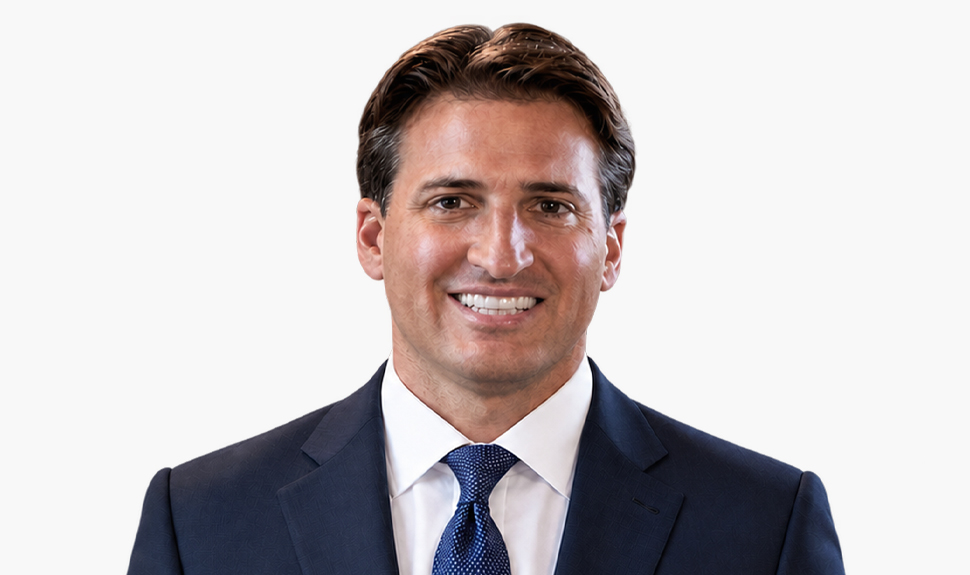
    Ele Klein

    Partner

    New York – 919 Third Avenue

    You may also like

  • Preparing for exit in a selective M&A market

    Preparing for exit in a selective M&A market

    COVERAGE

    Preparing for exit in a selective M&A market

    Buyouts

    September 23, 2026

    Read time: 1 min

    Key takeaways

    In a selective market, the most successful exits are the ones with clear preparation, starting at the initial investment, to build a credible value creation story.

    Sellers who identify issues upfront, demonstrate operational readiness, and prove asset durability set themselves apart.

    While more assets may soon come to market, operational value and selectivity are likely to remain at the forefront for buyers.

    Overview

    In a keynote interview with Buyouts, Frank Steinherr, partner and global co-head of private equity, discusses today’s selective deal environment.

    He breaks down key drivers for exit success, what buyers are looking for from an operations standpoint, and the legal issues sellers should focus on to prepare for a smoother exit.

    Read the full interview

    In this article

    Frank P. Steinherr

    Partner

    New York – One Vanderbilt Avenue

    You may also like

  • Europe’s defense investment boom demands a new deal playbook, Competition Policy International

    Europe’s defense investment boom demands a new deal playbook, Competition Policy International

    COVERAGE

    Europe’s defense investment boom demands a new deal playbook, Competition Policy International

    Sep 22, 2026

    Read time: 2 min

    Key takeaways

    Partners Philipp Grenzebach, Stéphane Dionnet, Sabine Naugès and Raminta Dereskeviciute co-authored a Competition Policy International article examining how Europe’s defense investment boom is reshaping the regulatory landscape for transactions in the sector.

    The authors discuss how increased defense spending, technological innovation and efforts to strengthen European industrial capacity are creating opportunities for private capital, while bringing competition law, foreign investment screening, export controls and sanctions increasingly into focus.

    They explain why regulatory strategy should be considered from the outset of a transaction, including its potential impact on deal structure, execution certainty, post-closing integration, valuation and exit strategy.

    Read the full Competition Policy International article.

    Subscription may be required.

    In this article

    Dr. Philipp Grenzebach

    Partner

    Düsseldorf, Frankfurt

    Stéphane Dionnet

    Partner

    Brussels

    Sabine Naugès

    Partner

    Paris

    Raminta Dereskeviciute

    Partner

    London – 22 Bishopsgate

    You may also like

  • Peter Naismith and Peter Greene examine hedge fund managers’ shift toward alternative asset platforms

    Peter Naismith and Peter Greene examine hedge fund managers’ shift toward alternative asset platforms

    COVERAGE

    Peter Naismith and Peter Greene examine hedge fund managers’ shift toward alternative asset platforms

    Sep 21, 2026

    Read time: 2 min

    Key takeaways

    In an IFC Review article, “From Hedge Fund to Alternatives Platform: How US Managers Are Pursuing Growth And Stability,” Peter Naismith and Peter Greene describe how US hedge fund managers are increasingly building diversified alternative asset platforms in pursuit of greater scale, stability and long-term growth.

    While hedge fund industry capital has reached record levels, fundraising remains challenging, and investor demand is increasingly concentrated among larger, established managers. Against that backdrop, Peter and Peter explore how managers are rethinking their businesses and developing more stable capital structures, including customized managed accounts and fund of one vehicles, seed and GP-stake transactions, and strategic partnerships, evergreen funds and other forms of permanent capital vehicle.

    The article also considers the continued rise of multi-strategy platforms and their influence on fee structures, talent practices and strategy diversification. It examines the importance of talent retention, and managers’ growing focus on the private wealth channel as a source of future growth.

    Read the full article here.

    In this article

    Peter G. Naismith

    Partner

    New York – 919 Third Avenue

    Peter D. Greene

    Partner

    New York – 919 Third Avenue

    You may also like

  • Lindsey Reighard discusses healthcare M&A on GrowthDX podcast

    Lindsey Reighard discusses healthcare M&A on GrowthDX podcast

    COVERAGE

    Lindsey Reighard discusses healthcare M&A on GrowthDX podcast

    Sep 17, 2026

    Read time: 2 min

    Key takeaways

    Lindsey Reighard joined the GrowthDX podcast to discuss what founders, operators and investors should consider before, during and after a healthcare transaction.

    Drawing on her work with private equity sponsors and portfolio companies, Lindsey discussed what makes healthcare M&A uniquely complex, including the regulatory considerations that can affect deal structure, timing and diligence. She also shared perspectives on preparing a business for sale, evaluating the right private equity partner, governance and rollover considerations, and the importance of integration in buy-and-build strategies.

    Listen to the full episode here.

    In this article

    Lindsey Reighard

    Partner

    Dallas

    You may also like

  • German participation exemption and treaty-exempt permanent establishment profit

    German participation exemption and treaty-exempt permanent establishment profit

    COVERAGE

    German participation exemption (§ 8b Abs. 5 KStG) and treaty-exempt permanent establishment profit

    IWB No. 17

    Sep 15, 2026

    Read time: 2 min

    Key takeaways

    Does the add-back under Section 8b of the German Corporate Income Tax Act apply where dividends, capital gains or value write-ups form part of the profits of a foreign permanent establishment that are exempt under a double tax treaty?

    In their latest case note in IWB No. 17, Dr. Dirk Pohl and Annette Keller critically examine the final judgment of the Münster Fiscal Court dated June 23, 2026. They explain why the non-deductible business expenses deemed to arise under Section 8b KStG form part of the permanent establishment profits exempt under the applicable double tax treaty, meaning that the add-back should not apply, contrary to the Münster Fiscal Court’s view. They also outline the practical implications for affected companies.

    Read the full (German) article here.

    In this article

    Dr. Dirk Pohl

    Partner

    Munich

    Annette Keller

    Partner

    Munich

    You may also like

  • Kyle Faget discusses Oura’s planned IPO with Law360

    Kyle Faget discusses Oura’s planned IPO with Law360

    COVERAGE

    Kyle Faget discusses Oura’s planned IPO with Law360

    Read time: 2 min

    Key takeaways

    In a recent Law360 Healthcare Authority article, Kyle Faget discusses what Oura’s planned $2.5 billion IPO — potentially the first digital health IPO of 2026 — signals about the industry’s trajectory after several rocky years.

    Kyle described the space as having gone through a period of “recalibration” following the pandemic-era investment surge, as companies and investors worked out which technologies were built to last versus which were short-lived trends. She said the current wave of renewed interest reflects genuine, consumer-driven demand for products that are proving durable rather than a repeat of earlier hype. Kyle added that she doesn’t expect Oura’s IPO to be an isolated event, pointing to active conversations with drugmakers and other healthcare companies looking to build complementary digital health offerings, and said she wouldn’t be surprised to see another major digital health IPO by the end of this year or in the first quarter of next.

    In this article

    Kyle Y. Faget

    Partner

    Boston

    You may also like

  • Shawn O’Brien discusses the IRS’s new conservation easement office in Reuters’ Checkpoint News

    Shawn O’Brien discusses the IRS’s new conservation easement office in Reuters’ Checkpoint News

    COVERAGE

    Shawn O’Brien discusses the IRS’s new conservation easement office in Reuters’ Checkpoint News

    Sep 4, 2026

    Read time: 2 min

    Key takeaways

    Reuters’ Checkpoint News recently featured Shawn O’Brien’s insights on the IRS’s newly created Office of Conservation Easements, which centralizes the agency’s handling of the more than 1,100 conservation easement cases pending in the US Tax Court and under examination. The new office replaces the uniform settlement initiative the IRS rolled out in May, and Shawn said the shift may reflect limited taxpayer uptake of that earlier offer.

    Shawn, whose practice advises investor partners on settlement decisions, said the office’s biggest opportunity is to speed up how quickly settlements are finalized once a taxpayer agrees to terms. He noted that taxpayers have faced waits of up to two years for the IRS to calculate and issue a final bill after a settlement, all while interest continues to accrue, calling the delay “ridiculous.” He also said the office should proactively flag options like an IRC § 6603 deposit, which lets taxpayers stop interest from running on a potential liability while a dispute is pending, something he noted the IRS’s May settlement terms didn’t explain. Shawn added that he hopes the office broadens taxpayer eligibility for settlement and moves away from generic, computer-generated correspondence in favor of more tailored communication.

    In this article

    Shawn O'Brien

    Partner

    Houston

    You may also like

  • Shawn O’Brien discusses conservation easement litigation trends in Bloomberg Law

    Shawn O’Brien discusses conservation easement litigation trends in Bloomberg Law

    COVERAGE

    Shawn O’Brien discusses conservation easement litigation trends in Bloomberg Law

    Sep 15, 2026

    Read time: 2 min

    Key takeaways

    Bloomberg Law recently featured Shawn O’Brien’s insights on why conservation easement lawyers see reason for optimism even after taxpayers lost seven straight cases in federal courts, and on the IRS’s decision to establish a new office devoted solely to these disputes while abandoning its bulk settlement strategy.

    Shawn said the IRS’s shift toward a new, dedicated office likely reflects the agency’s own read on the results of its prior settlement offers, noting the IRS probably wasn’t seeing the acceptance levels it expected. He also cautioned against reading too much into the government’s recent winning streak, explaining that the IRS tends to push cases with favorable facts toward a decision first, then use the resulting case law against other taxpayers still litigating their own disputes.

    In this article

    Shawn O'Brien

    Partner

    Houston

    You may also like

  • Scott Weinberg Examines Protective Advances Under New York Law

    Scott Weinberg Examines Protective Advances Under New York Law

    COVERAGE

    Scott Weinberg Examines Protective Advances Under New York Law

    Sep 16, 2026

    Read time: 2 min

    Key takeaways

    In an article for the New York Law Journal, Scott Weinberg examines how mortgage lenders can use protective advances to safeguard their collateral when borrowers fail to meet obligations such as paying real estate taxes, maintaining insurance or making necessary repairs.

    Scott discusses the circumstances in which these expenditures may become part of the debt secured by a mortgage, including how the terms of the mortgage and the purpose of the expenditure can affect recoverability. He also highlights practical considerations for lenders, including careful drafting, documenting the need for an advance and, in uncertain circumstances, considering advance judicial approval.

    Sam Horowitz assisted in the preparation of the article.

    Read the full article in the New York Law Journal.

    In this article

    Scott A. Weinberg

    Partner

    New York – One Vanderbilt Avenue

    Sam Horowitz

    Associate

    Chicago

    You may also like