











COVERAGE
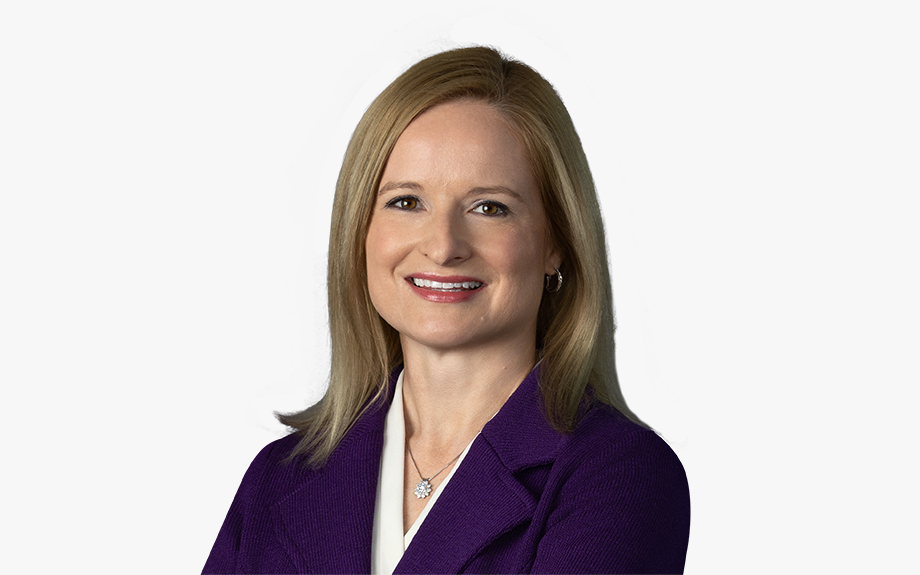
McDermott Adds Partner Susan Ryba to Chicago Tax Practice Group
April 8, 2024
Read time: 2 min
About Us
You may also like






COVERAGE
April 8, 2024
Read time: 2 min
COVERAGE
April 8, 2024
Read time: 2 min

COVERAGE
April 8, 2024
Read time: 2 min
COVERAGE
April 8, 2024
Read time: 2 min
COVERAGE
April 8, 2024
Read time: 2 min
COVERAGE
April 8, 2024
Read time: 2 min
COVERAGE
April 5, 2024
Read time: 2 min
“The implementation of the CSRD is forcing companies to reorganise their boards of directors and fully integrate ESG criteria into their strategy.”
Read Nicolette Kost de Sèvres’ commentary in Les Echos (in French via paywall) here.





COVERAGE
April 8, 2024
Read time: 3 min
Schulte Roth & Zabel partner Ian Levin provided insights to Law360 for the article, “4 Atty Takeaways From DOL’s Asset Manager Exemption.”
The US Department of Labor (DOL) finalized changes to the Qualified Professional Asset Manager (QPAM) exemption under the Employee Retirement Income Security Act (ERISA), affecting how financial firms manage retirement assets.
Ian discussed how the final changes may prompt firms to consider other exemptions to ERISA’s prohibited transaction provisions, such as the service provider exemption. “The added administrative requirements to comply with QPAM may persuade many managers to rely on other exemptions or not manage plan asset monies.”
He noted that switching exemptions could come with its own challenges and costs, potentially impacting investors, “one way or another, the costs are going to be borne by customers, the investor. So all this administration is either going to increase costs, or actually drive managers towards other exemptions, until the DOL changes those exemptions, and they become too onerous as well,” Ian added.



COVERAGE
April 4, 2024
Read time: 3 min
Schulte Roth & Zabel partner Melissa Goldstein was recently featured in the Institutional Investor article, “Can Family Offices Skirt the CTA? Lawyers Say Don’t Wait to Find Out.” She discussed how the Corporate Transparency Act (“The Act”) affects family offices that do not want to disclose the required information to conceal the family’s identity. Melissa stated “Requiring the disclosure of personally identifiable information is uncomfortable, and no one wants to do it, and when that information is tied to financial assets people get concerned that they are vulnerable.”
Despite those concerns, as well as the recent lawsuits and FinCEN’s pending guidance, lawyers are advising family offices to get compliant with the CTA or risk facing stiff penalties. While most family offices and their entities are not eligible for any of the 23 exemptions from the CTA, some family offices may be exempt as a large operating company. Those that are not exempt and that are considering restructuring in a way that would qualify them for the large operating company and its subsidiary exemption, the trust company exemption or the registered investment advisor exemption “requires careful analysis and family offices should do that analysis before they explore restructuring,” Goldstein said.



COVERAGE
April 3, 2024
Read time: 3 min
Schulte Roth & Zabel partner Heather Wyckoff contributed to the GlobeSt.com article, “Data Center Asking Rents are Soaring,” discussing data centers as a new real estate asset class and new funds being formed to pursue opportunities in the sector.
According to a recent report from CBRE, rental rates are approaching peak levels rising by 20% to 54% in key markets, and occupiers are now pre-leasing space 18 to 36 months in advance. Despite projections of new capital sources pushing down rental rates, power constraints are delaying new construction, intensifying leasing competition and keeping rents elevated.
Heather is advising fund managers who are increasingly interested in establishing funds that exclusively target investments in data centers. She highlighted the growing interest in this new real estate asset class. “We expect fundraising devoted to this sector to grow significantly,” she said.