











CASE STUDY
Doral Renewables’ drive to build sustainable solar solutions
Read time: 8 min
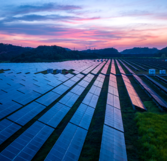
Consumers and companies are using more power than ever. Among other factors, as the United States doubles down on AI (and data centers proliferate to keep pace), demand for energy continues to grow. Solar power has emerged as a clean, sustainable, and lower-cost energy option to help fill the need.
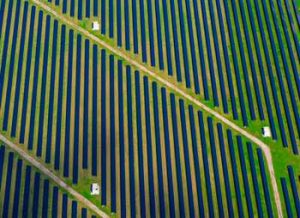
Northwest Indiana is proving to be one of the epicenters of this game-changing solar solution. It’s home to Mammoth Solar – the largest solar facility in the US, developed by Doral Renewables.

Over the years, the Mammoth Solar project has faced significant challenges, including shifting federal policies, COVID supply chain disruptions, and solar panel tariffs. McDermott worked closely with Doral to develop a clear strategy and successfully navigate these challenges.
The firm provided comprehensive legal guidance across PPA negotiations, tax equity financing, EPC contracting, and more. We secured more than $2 billion in debt and tax equity financing across multiple phases, renegotiated contracts to prevent delays, and managed complex tax structures. Mammoth North (phase one of the project) is complete and operational, with three phases nearly finished.
The project includes an innovative agrivoltaics program where local farmers use livestock to manage vegetation beneath solar panels, providing additional community benefits alongside the renewable energy production.
In a win-win, Doral is building Mammoth to provide transformative solar energy while positively impacting the local community. Launched in 2019, the project spans four phases and, when fully operational, will power approximately 275,000 homes.
Through its years of development, the project has navigated several challenges.
Election cycles in the US have ushered in new administrations – along with accompanying policy and regulatory changes, such as shifting tax regimes, revised power purchase agreement (PPA) regulations, and the Inflation Reduction Act’s impact on tax credits. On a global scale, the COVID pandemic triggered supply challenges and market turmoil, while trade issues and tariffs on solar panels have introduced additional hurdles.
These conditions required a clear strategy that could anticipate challenges and overcome them to keep the project on track – from managing existing and new commercial agreements to creating new and innovative financing structures and preserving critical tax benefits.
McDermott’s work continues to support Doral Renewables and the Mammoth Solar project. Our guidance has helped keep Doral in the know and ahead of each potential obstacle. Our experience guiding Doral through shifting policy landscapes, supply-chain volatility, and phased financing equips us to help clients anticipate and navigate similar challenges across the energy industry.